Biomedical Data Scientist Resume Example
 Example by JobSprout
Free to use. No download fee.
Market Insights
Biomedical Data Scientist
Salary Range
Salary Trend
Mar 2025 – Feb 2026
12-Month Trend
Based on advertised Software Engineering roles.
US market data · Source: Adzuna · Updated Mar 2026
How useful was this template?
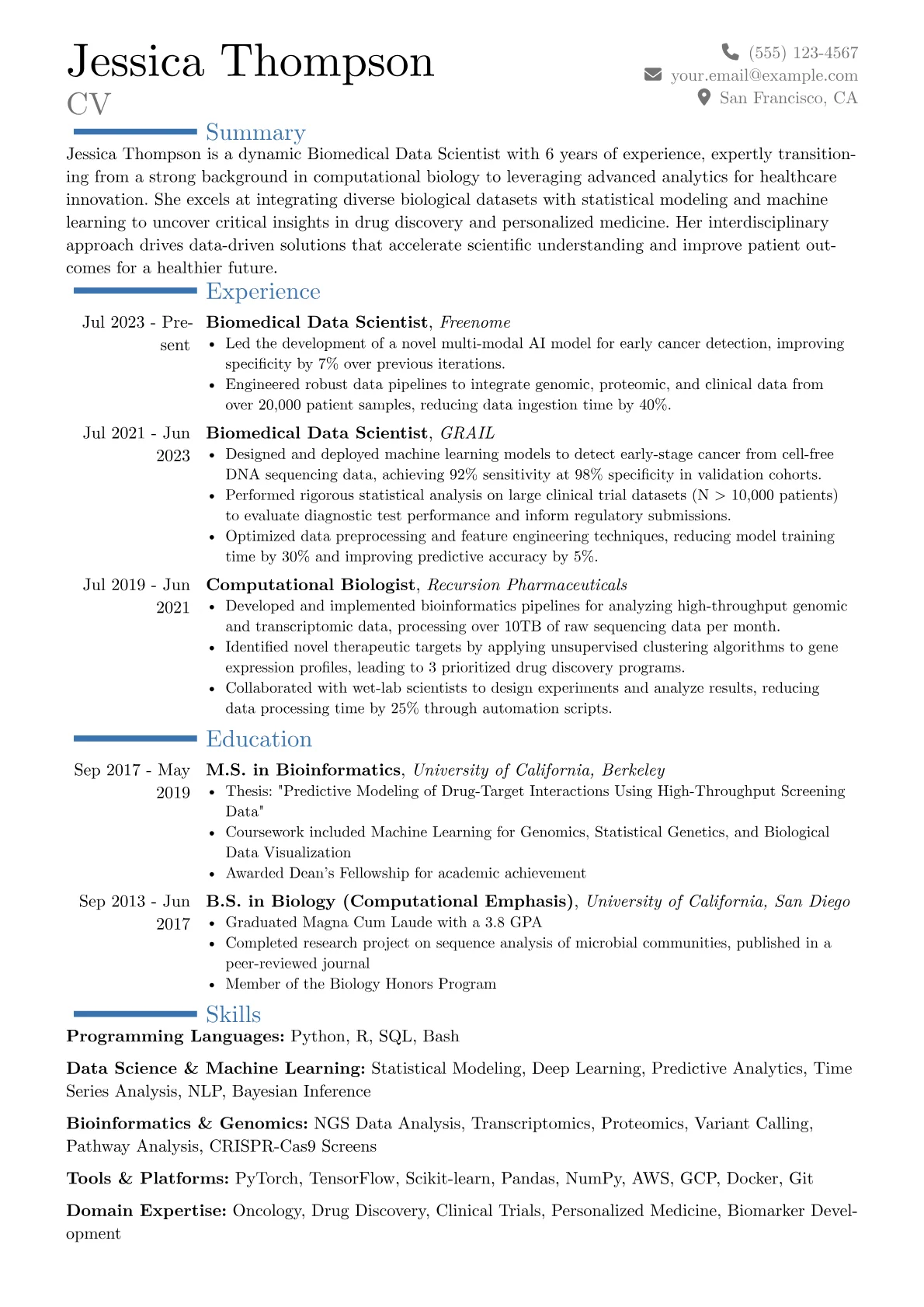
Biomedical Data Scientist resume samples
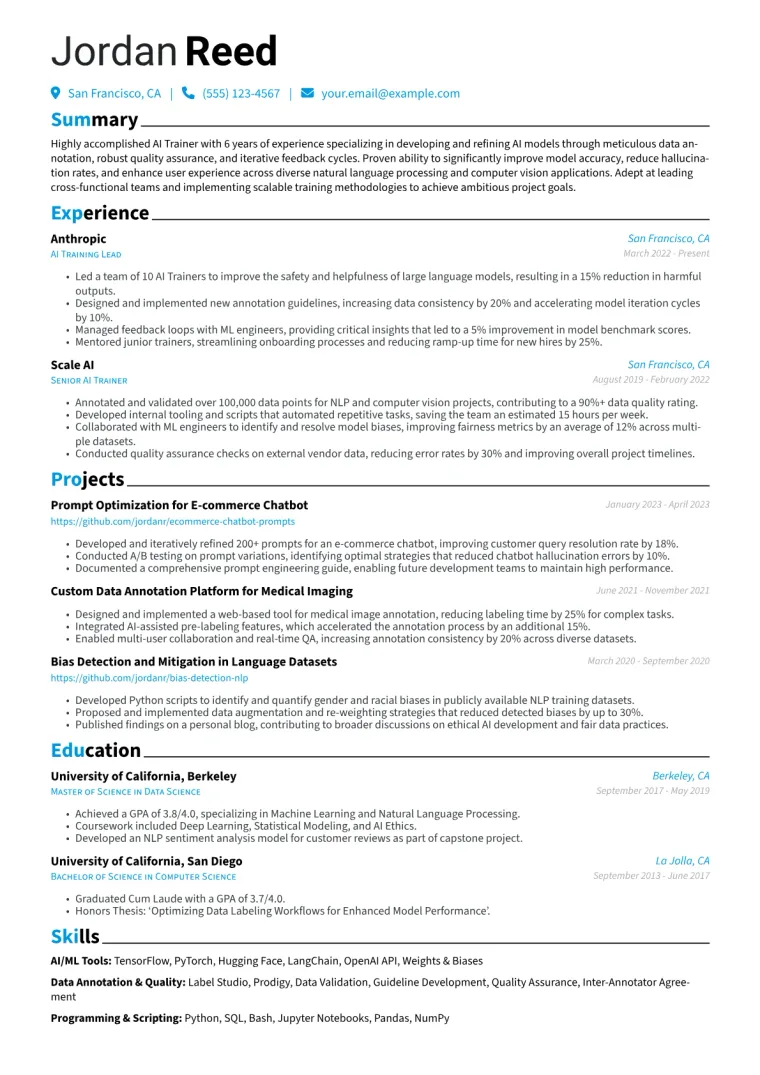
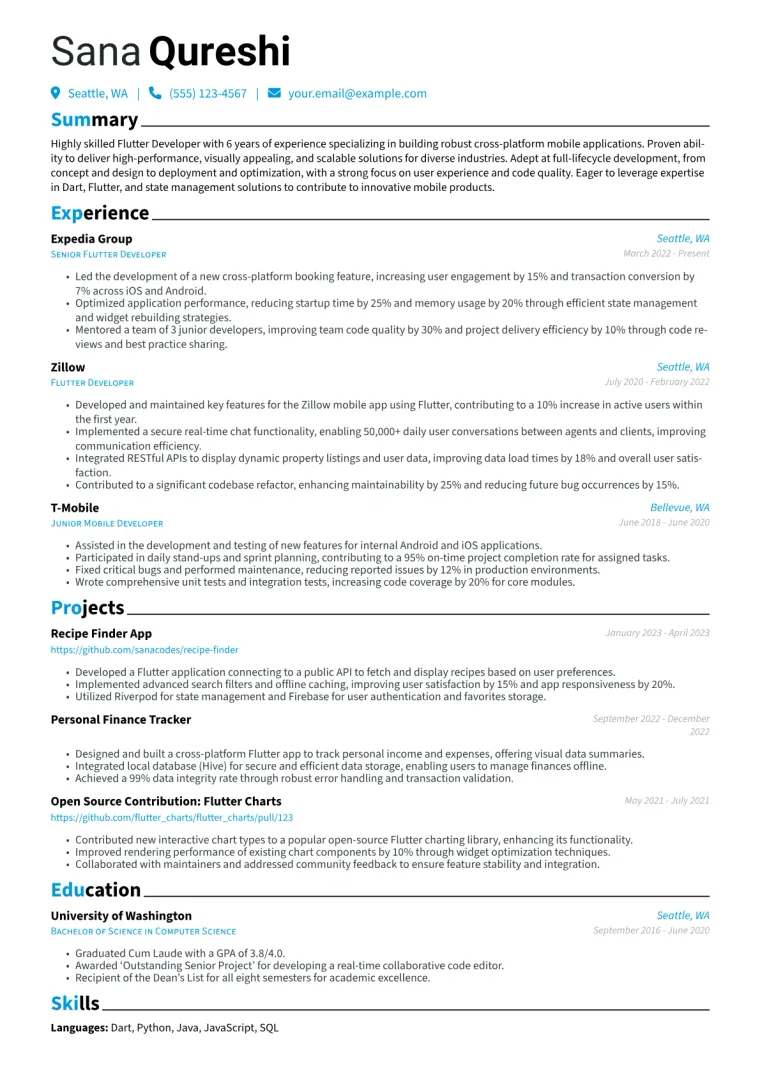
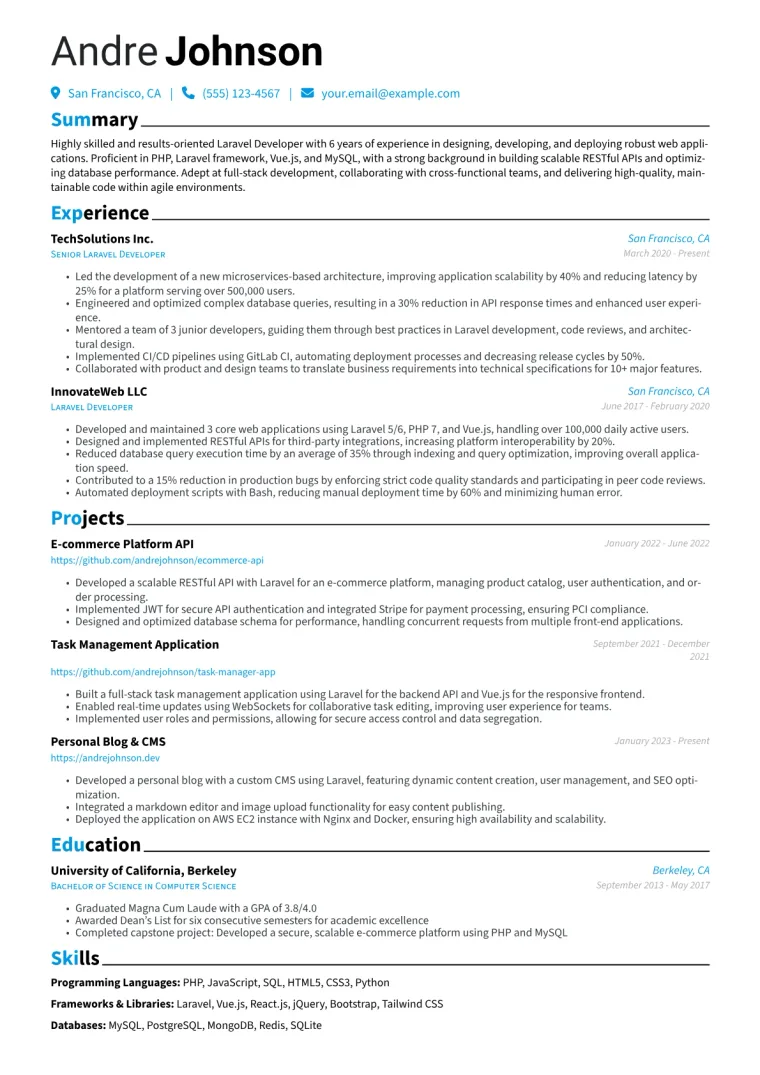
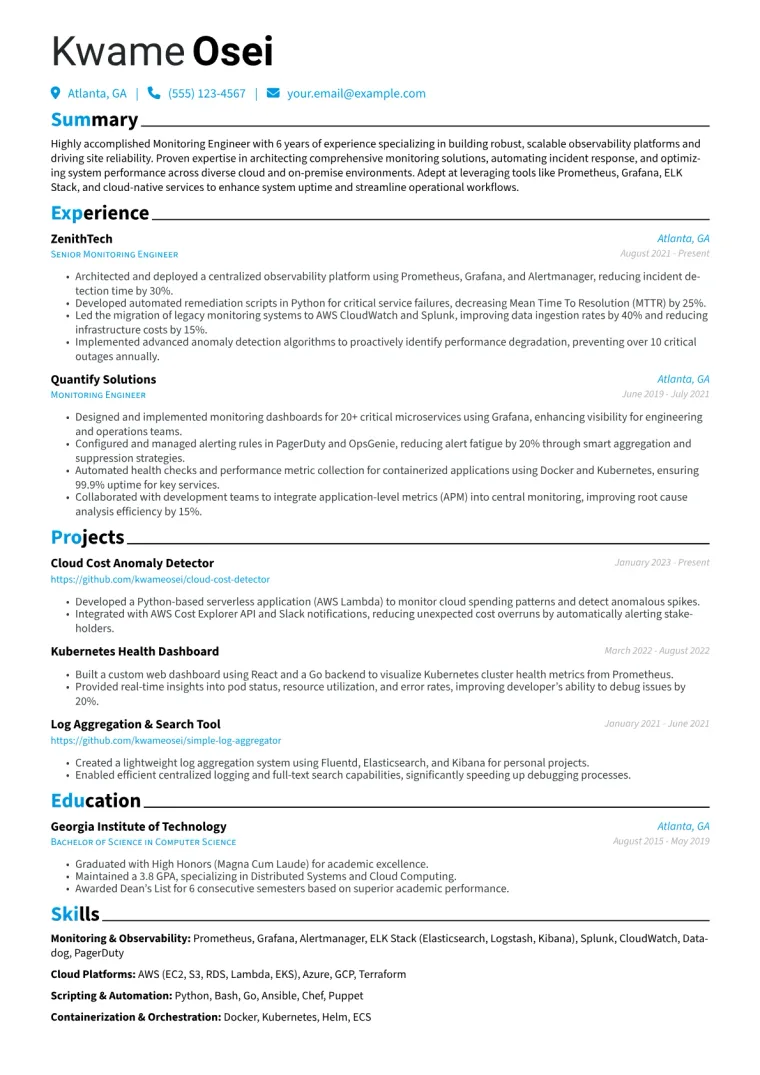
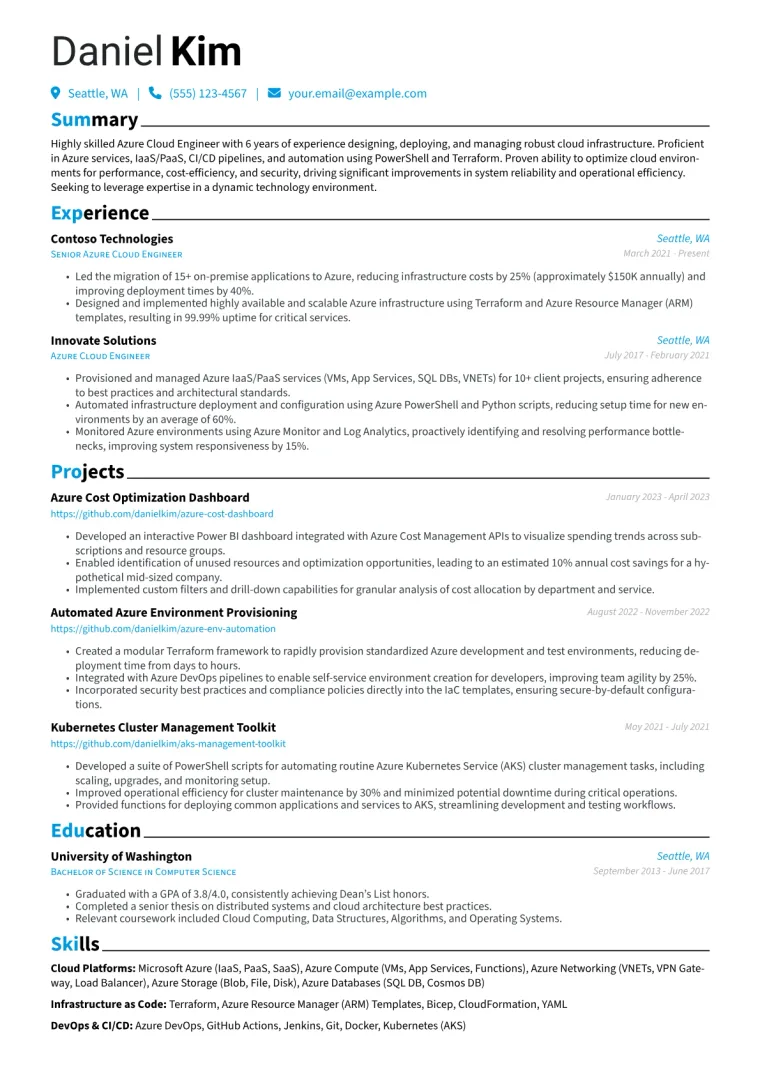
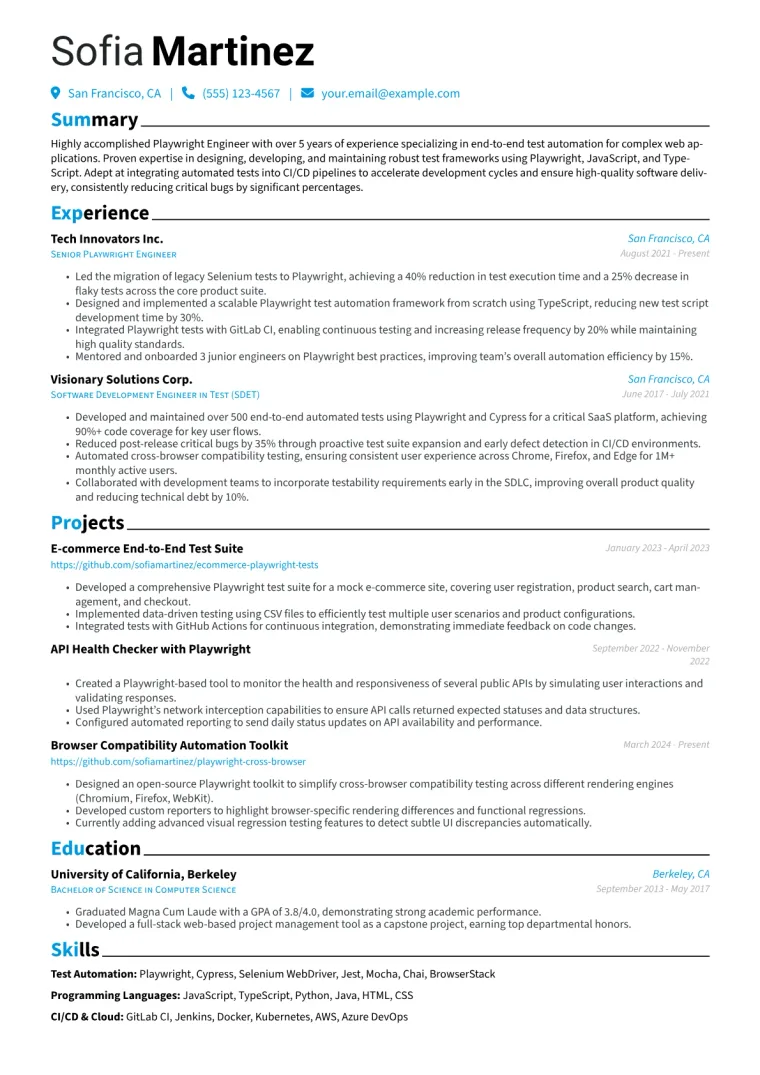
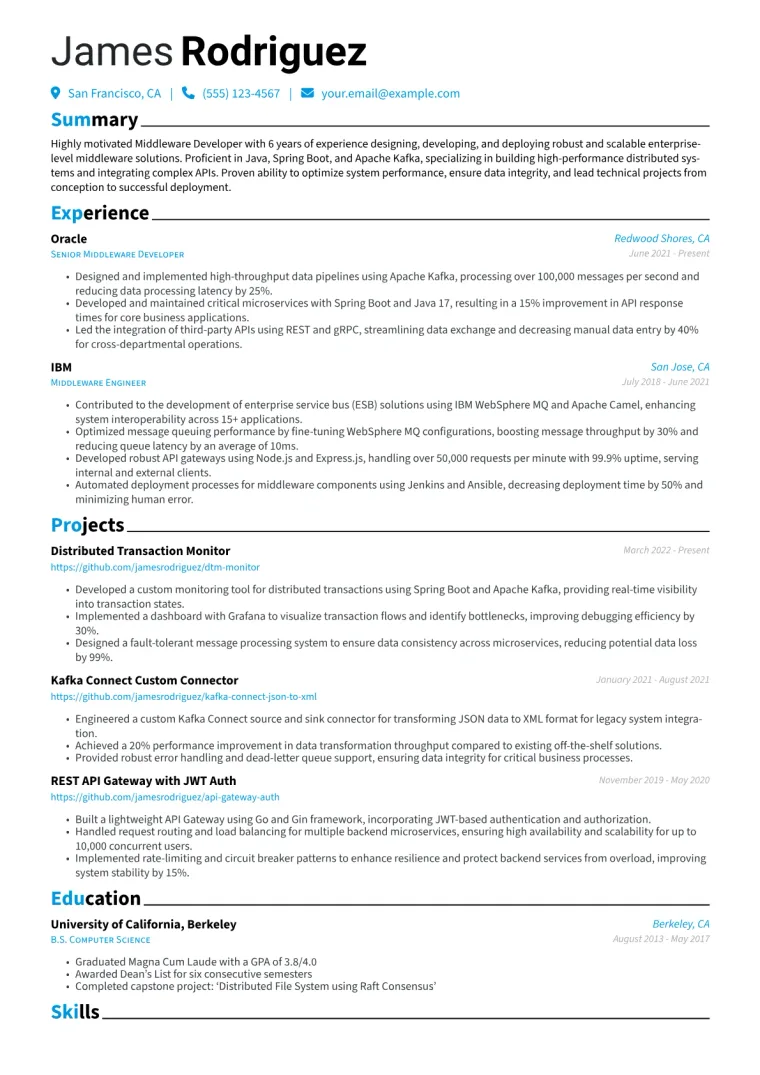
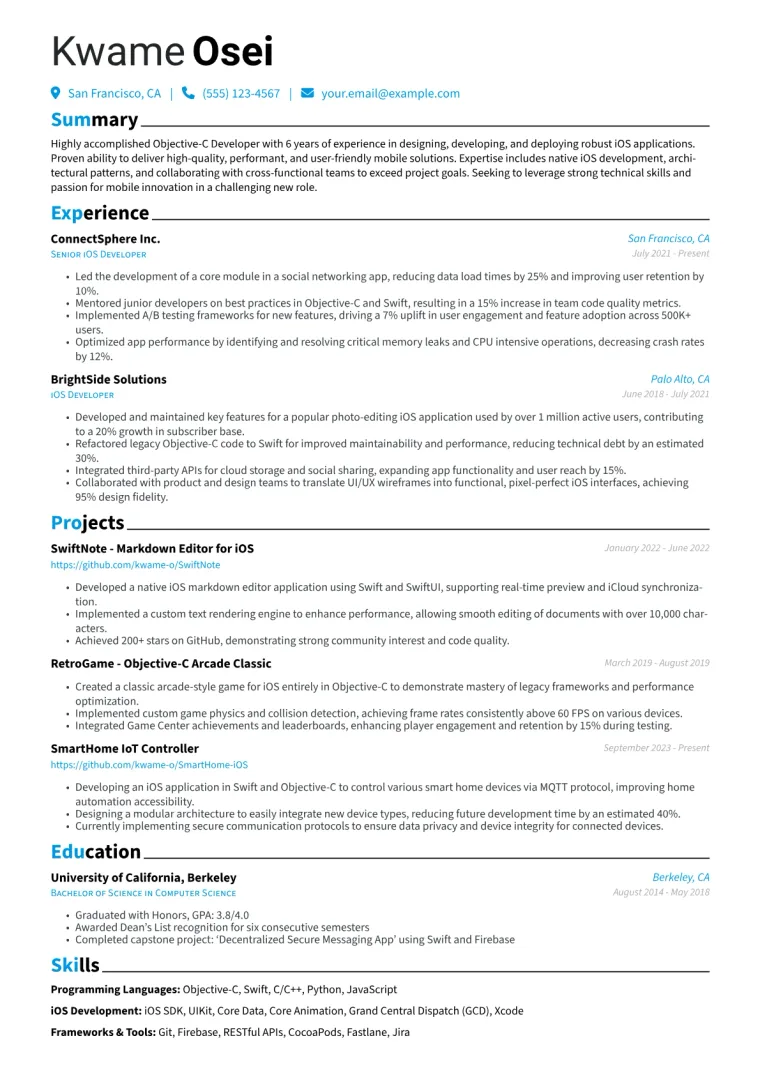
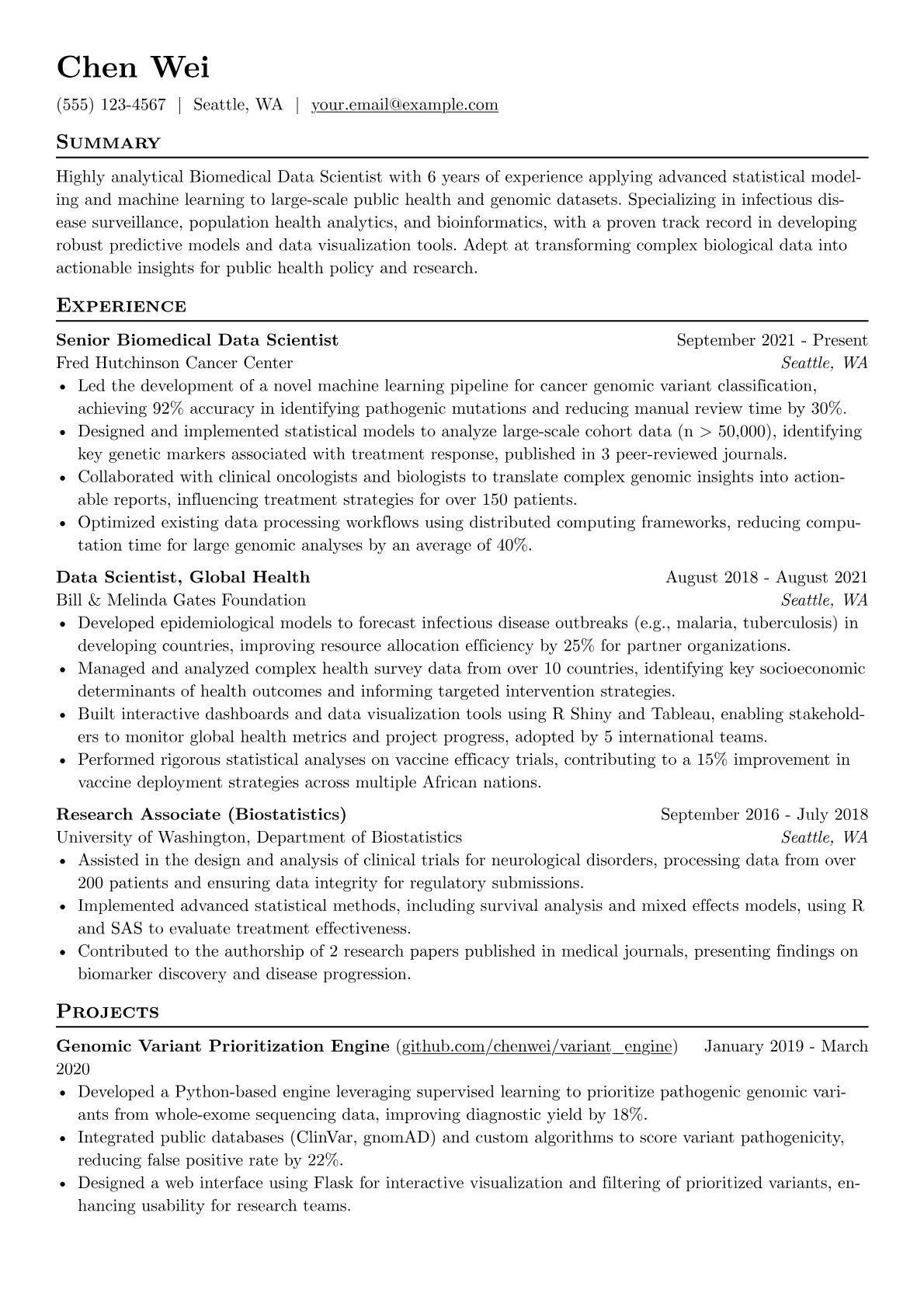
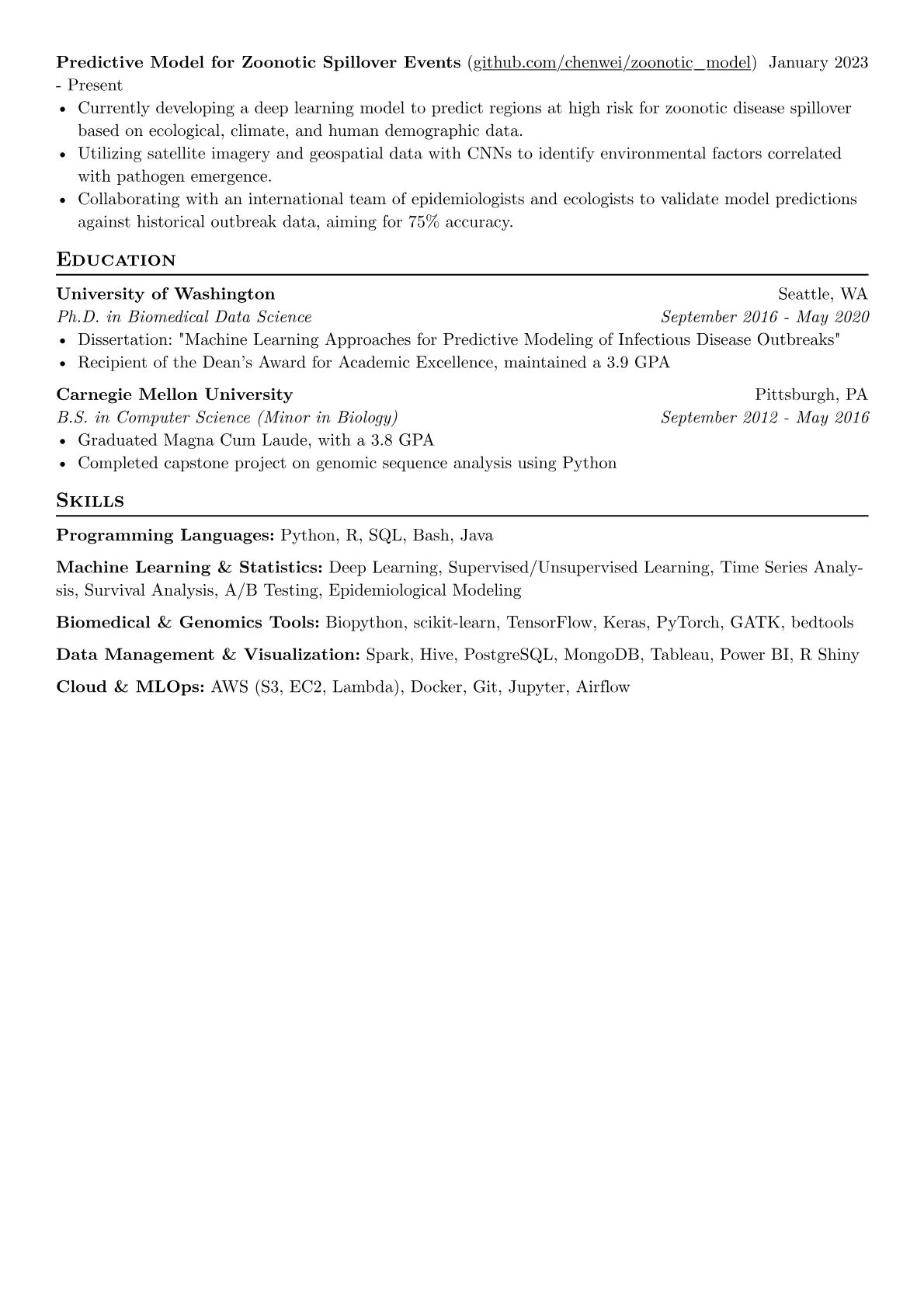
Three complete resumes, each in a different design.
Free to use. No download fee.
What makes a strong Biomedical Data Scientist resume?
US median salary $150,701 ·
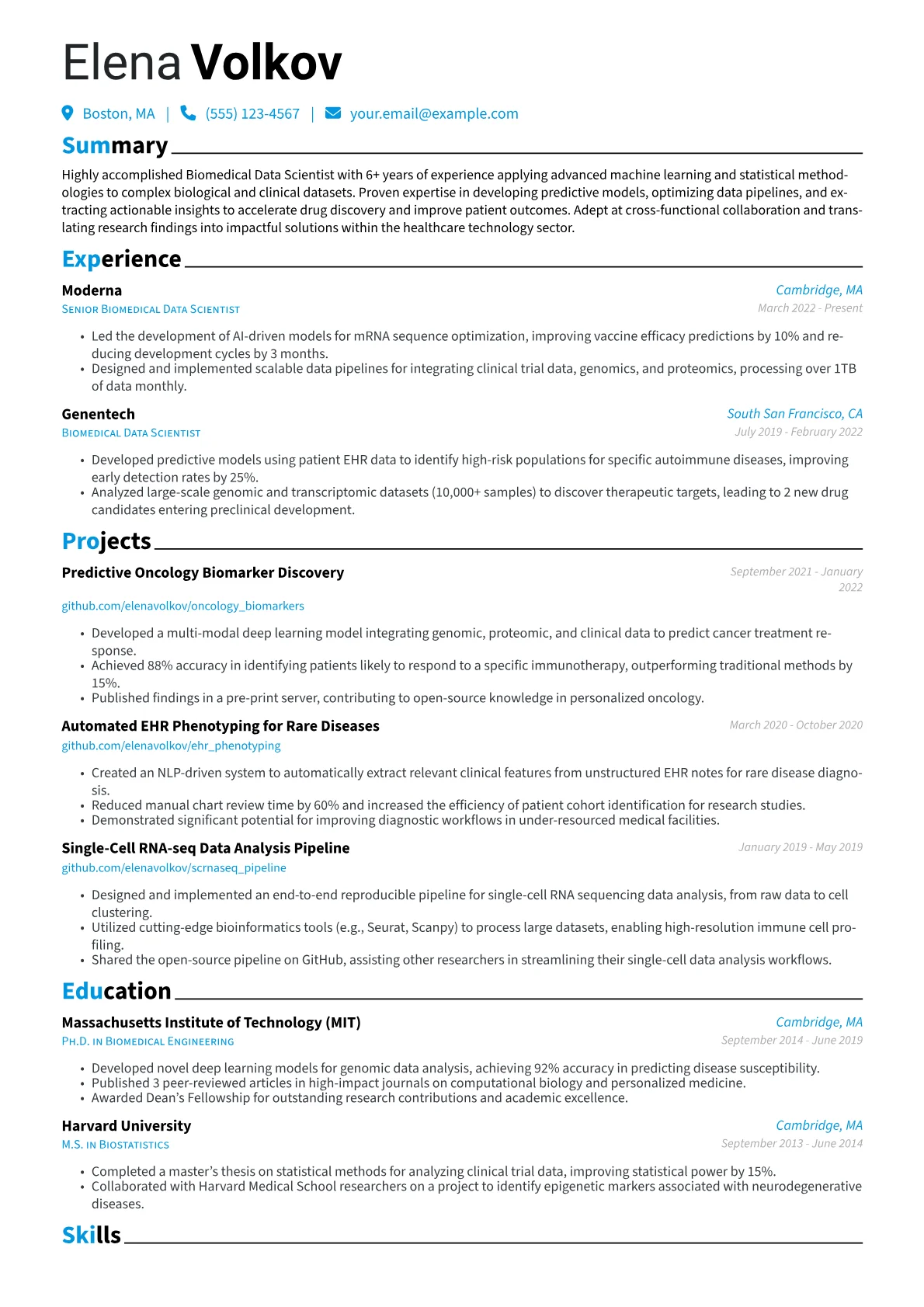
Crafting a compelling resume for a Biomedical Data Scientist in the Technology sector requires a precise balance of scientific depth and engineering acumen. Hiring managers specifically look for demonstrated expertise in leveraging large biomedical datasets for product development or clinical solutions, not just academic research. Achievements should quantify impact, perhaps detailing how machine learning models optimized drug discovery timelines or improved diagnostic accuracy. Familiarity with cloud platforms (AWS, GCP), containerization (Docker), and specific bioinformatics tools, alongside an understanding of regulatory compliance (HIPAA, GDPR), is crucial. Terminology like 'genomic sequencing analysis,' 'EHR integration,' or 'predictive analytics for clinical trials' signals direct relevance.
Why this example works
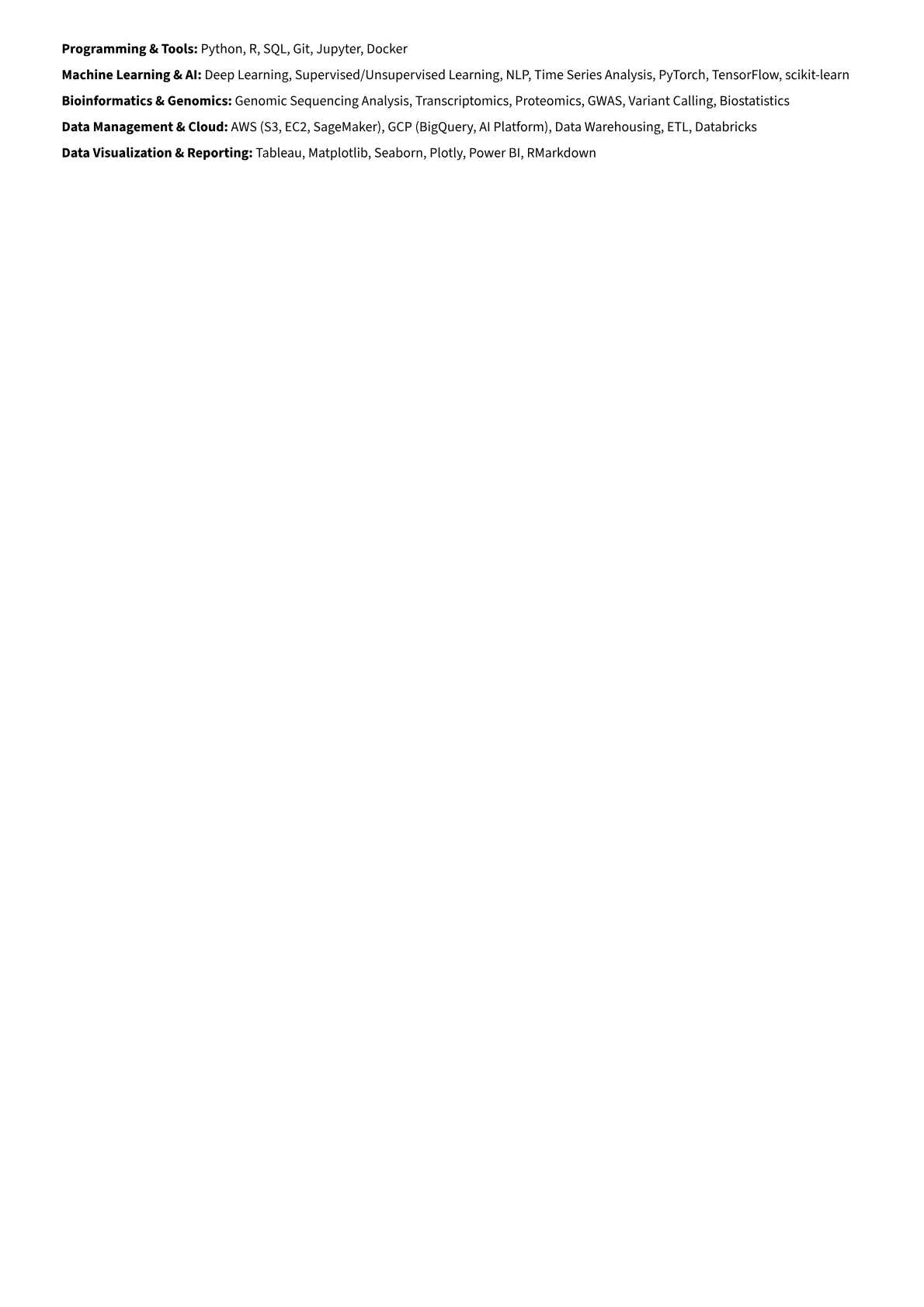
The JobSprout example effectively showcases these critical elements. Achievements are precisely quantified, illustrating concrete contributions such as “reduced data processing time by X% using Y algorithm.” Skills are intelligently grouped, separating core programming languages (Python, R, SQL) from specialized biomedical domains (genomics, proteomics, clinical informatics) and essential platform tools (AWS, Spark, TensorFlow). This clear segmentation allows recruiters to quickly grasp the candidate's dual expertise. Certifications in relevant areas, like cloud solutions architecture or bioinformatics, are prominently highlighted, reinforcing a candidate's commitment to continuous learning and industry standards.
How useful was this template?
Example by JobSprout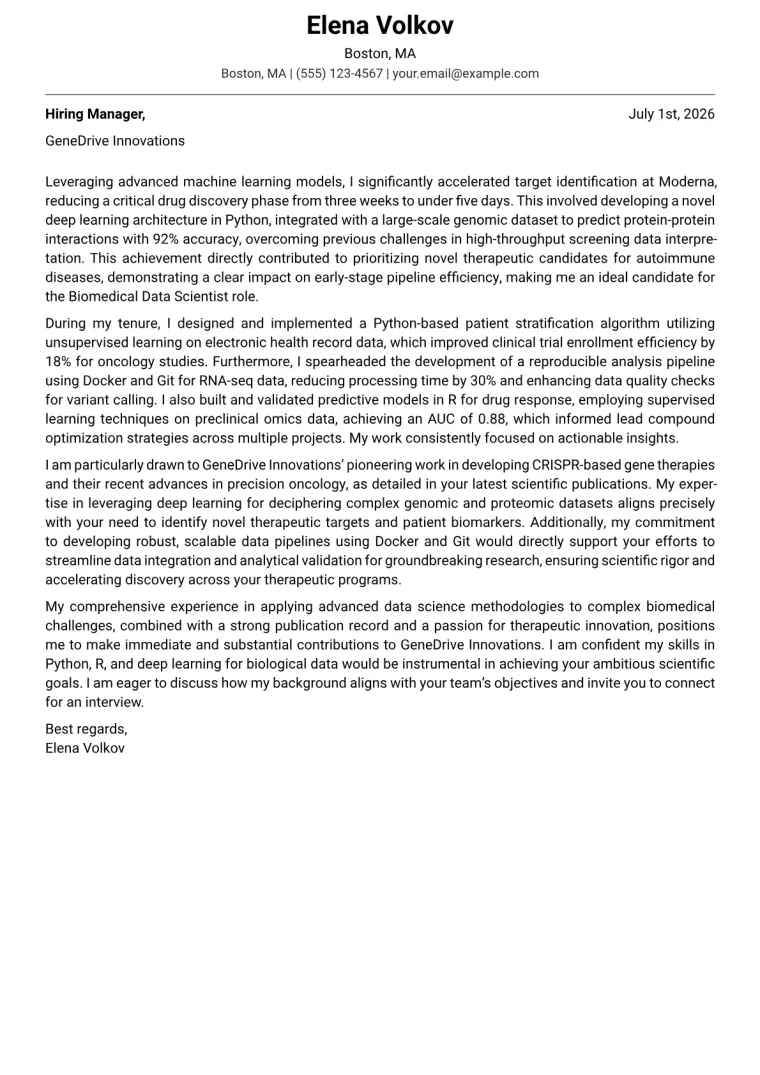
Biomedical Data Scientist Cover Letter Example
Written for the same person as this resume, ready to adapt.
Biomedical Data Scientist resume summary example
Highly accomplished Biomedical Data Scientist with 6+ years of experience applying advanced machine learning and statistical methodologies to complex biological and clinical datasets. Proven expertise in developing predictive models, optimizing data pipelines, and extracting actionable insights to accelerate drug discovery and improve patient outcomes. Adept at cross-functional collaboration and translating research findings into impactful solutions within the healthcare technology sector.
Biomedical Data Scientist salary by country
| Country | 25th percentile | Median | 75th percentile |
|---|---|---|---|
| US | $125,389 | $150,701 | $167,262 |
| UK | £36,308 | £54,810 | £73,246 |
| Canada | C$99,409 | C$130,490 | C$148,012 |
| Australia | A$100,714 | A$141,091 | A$145,274 |
| Germany | €72,852 | €84,832 | €96,812 |
| France | €43,051 | €51,800 | €63,913 |
| Netherlands | €35,714 | €48,333 | €66,667 |
| Italy | €33,750 | €37,500 | €50,000 |
| Austria | €60,000 | €70,000 | €80,000 |
| New Zealand | NZ$118,750 | NZ$142,500 | NZ$163,542 |
| India | ₹842,337 | ₹1,513,183 | ₹2,280,109 |
| Poland | zł206,861 | zł247,013 | zł287,166 |
Annual salaries in local currency, aggregated from live job postings via Adzuna. Figures refresh continuously and reflect advertised pay, not negotiated offers.
Biomedical Data Scientist resume skills and keywords
Recruiters and applicant tracking systems scan Biomedical Data Scientist resumes for these skills and keywords. Include the ones that match your experience and mirror the wording in the job description. Check your resume against them with the free ATS checker.
Hard skills
Tools & software
Certifications
Soft skills
Market Insights
Biomedical Data Scientist
Salary Range
Salary Trend
Mar 2025 – Feb 2026
12-Month Trend
Based on advertised Software Engineering roles.
US market data · Source: Adzuna · Updated Mar 2026
Frequently Asked Questions
What's the best resume structure for a mid-level Biomedical Data Scientist?
Which key skills and qualifications should I highlight for this role?
How can I write strong achievement bullets or a professional summary for a Biomedical Data Scientist?
What optional sections, like a portfolio or publications, are important for this role?
How do I tailor my resume template for a specific Biomedical Data Scientist job posting?
The blank page is the hard part. Skip it.
Free to use. No download fee.
Related Articles
Data Scientist Resume: Examples & Guide for 2026
Write a data scientist resume that lands interviews. Resume examples, technical skills formatting, bullet point formulas, and ATS tips for every experience level.
![How to Write a CV for Tech Applications [2026 Guide]](/thumbnails/cv-for-tech-applications.webp)
How to Write a CV for Tech Applications [2026 Guide]
Learn how to write a software engineering CV that gets interviews. Real template analysis, what hiring managers look for, and common mistakes to avoid.
![How to Write a CV That Shows Startup Experience [2026 Guide]](/thumbnails/cv-for-startup-engineers.webp)
How to Write a CV That Shows Startup Experience [2026 Guide]
Learn how to write a CV that showcases founding engineer and startup experience. Real example from JobSprout's creator, what hiring managers look for, and how to position breadth as a strength.