Quantitative Developer Resume Example
 Example by JobSprout
Free to use. No download fee.
Market Insights
Quantitative Developer
Salary Range
Salary Trend
Mar 2025 – Feb 2026
12-Month Trend
Based on advertised Finance & Accounting roles.
US market data · Source: Adzuna · Updated Mar 2026
How useful was this template?
Quantitative Developer resume samples
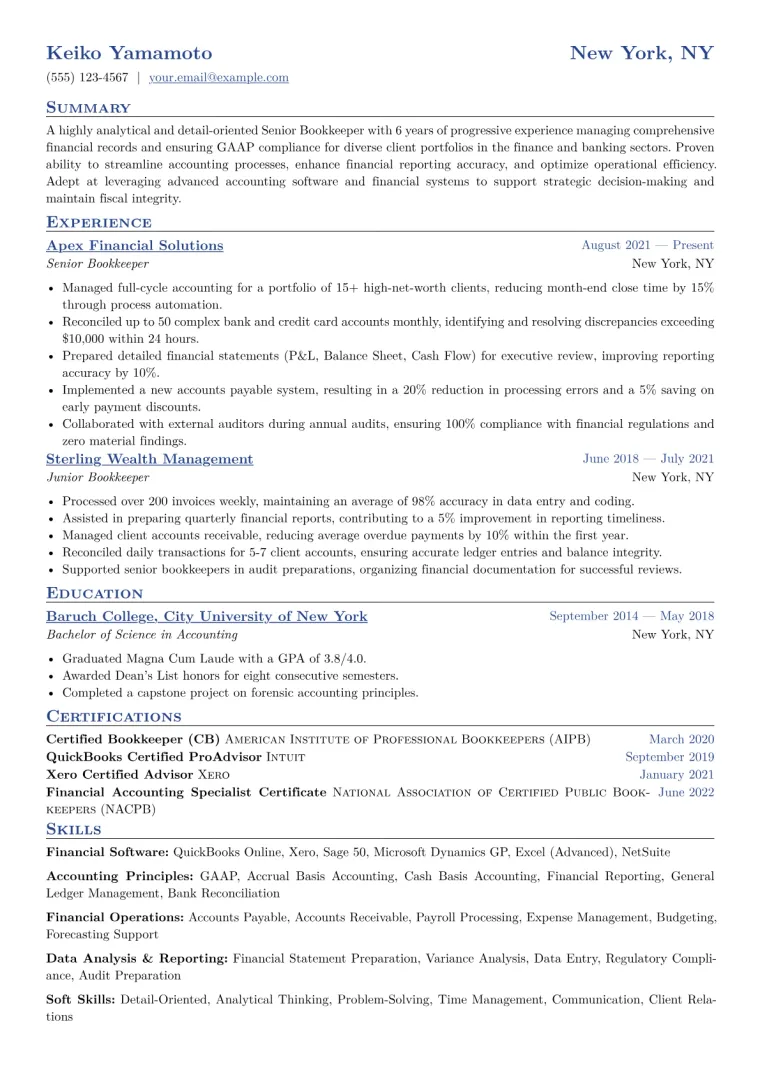
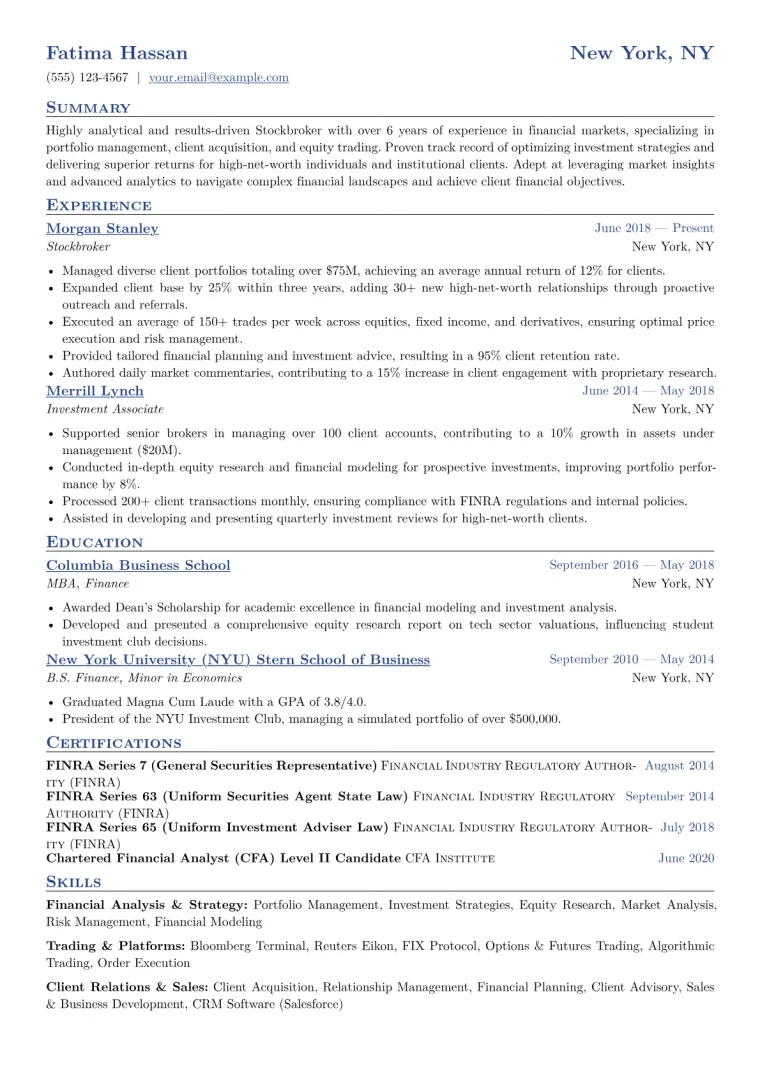
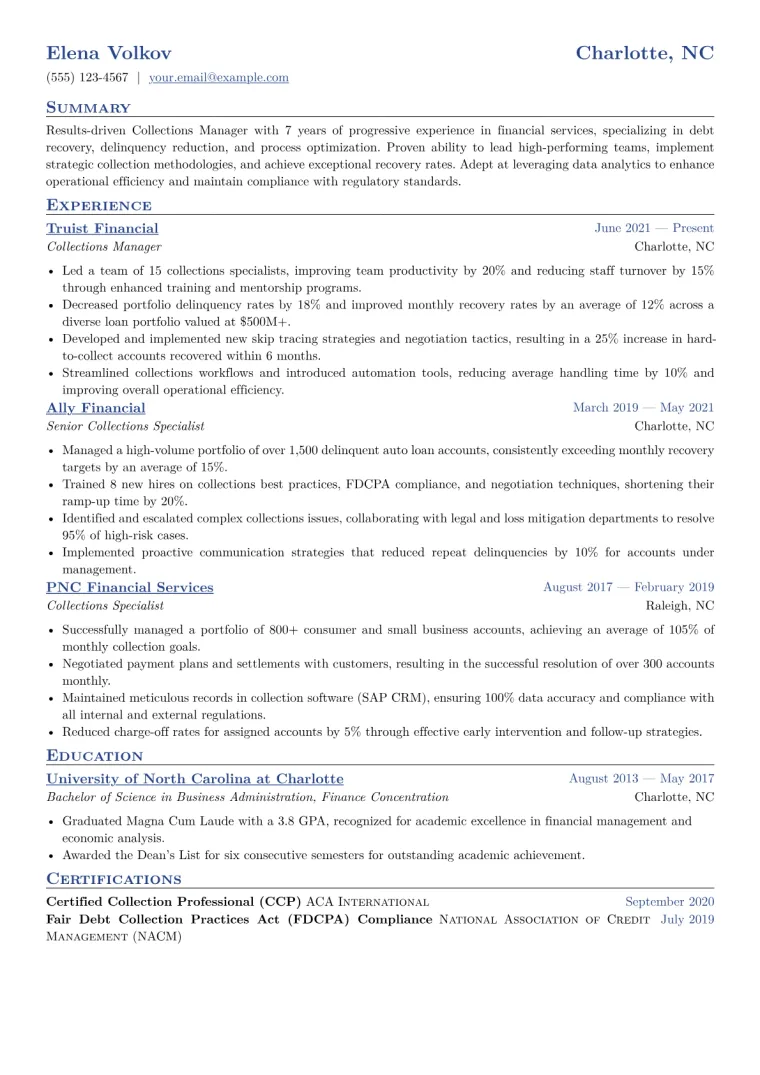
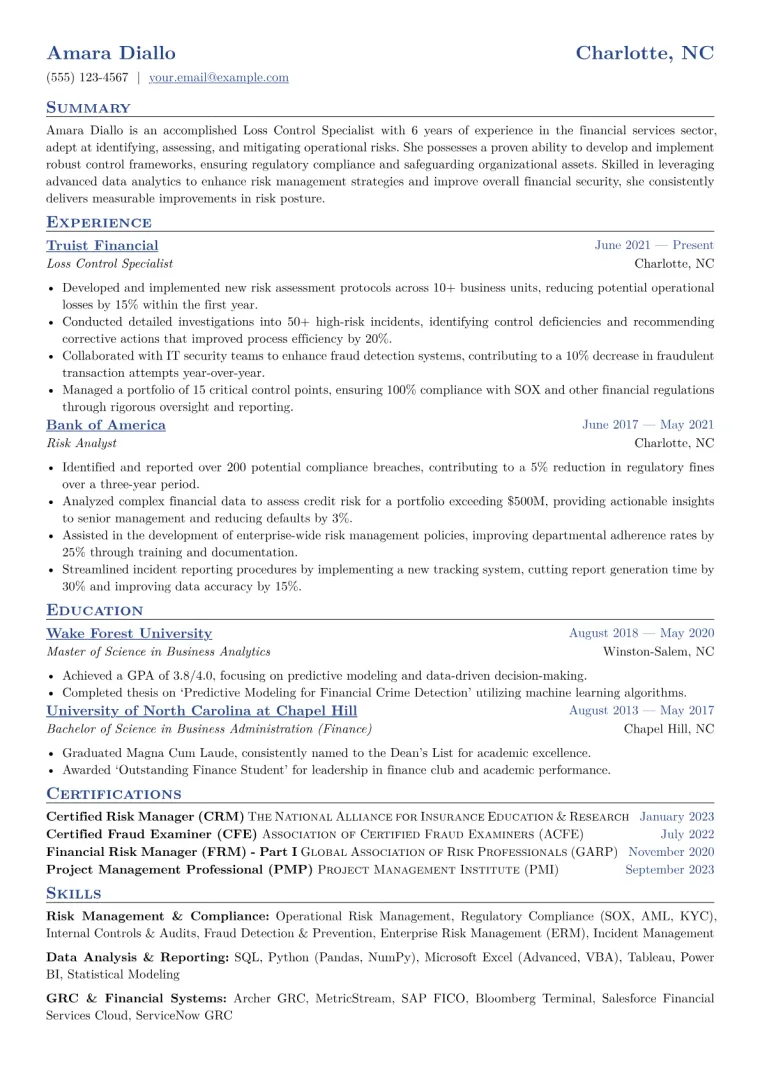
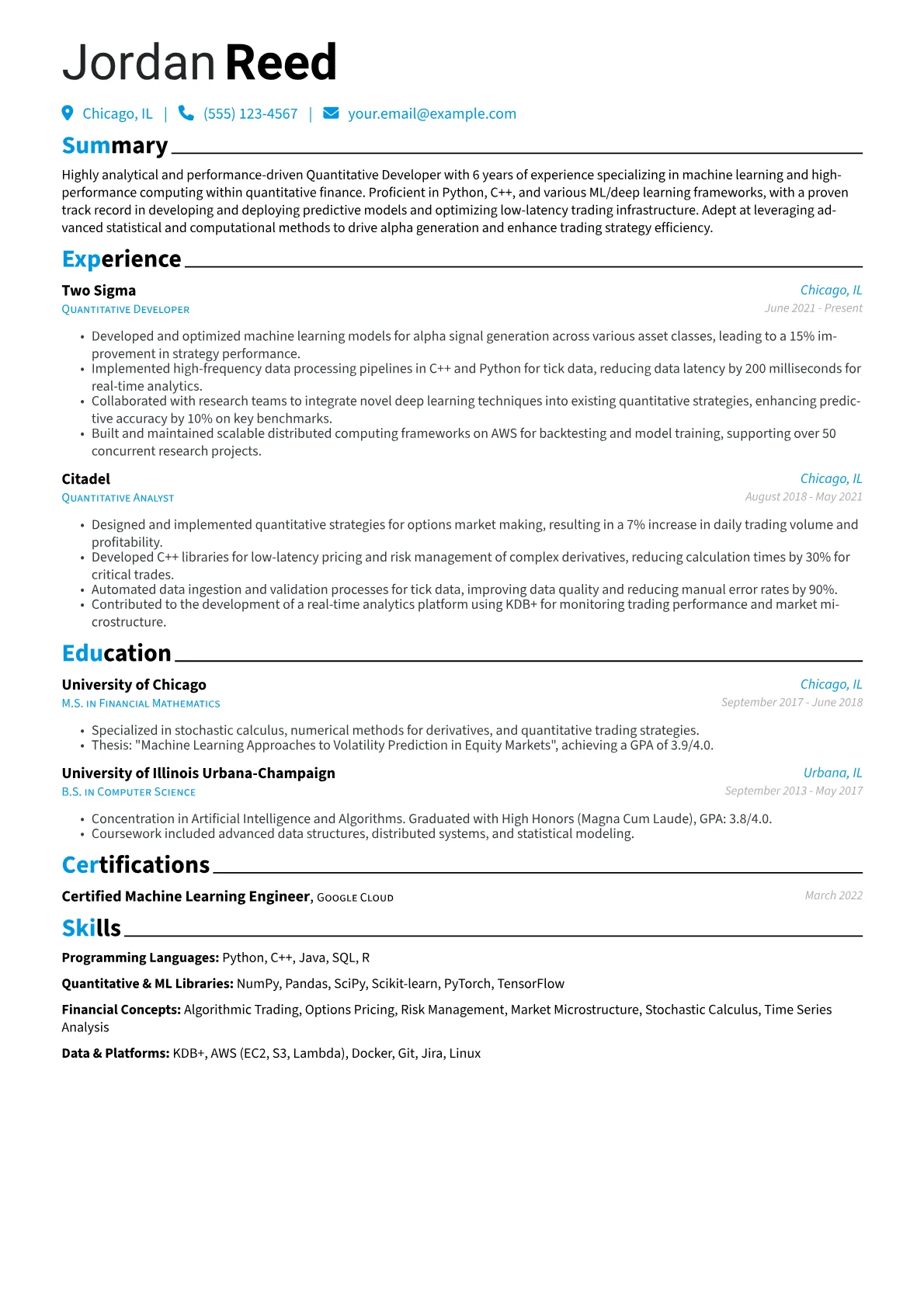
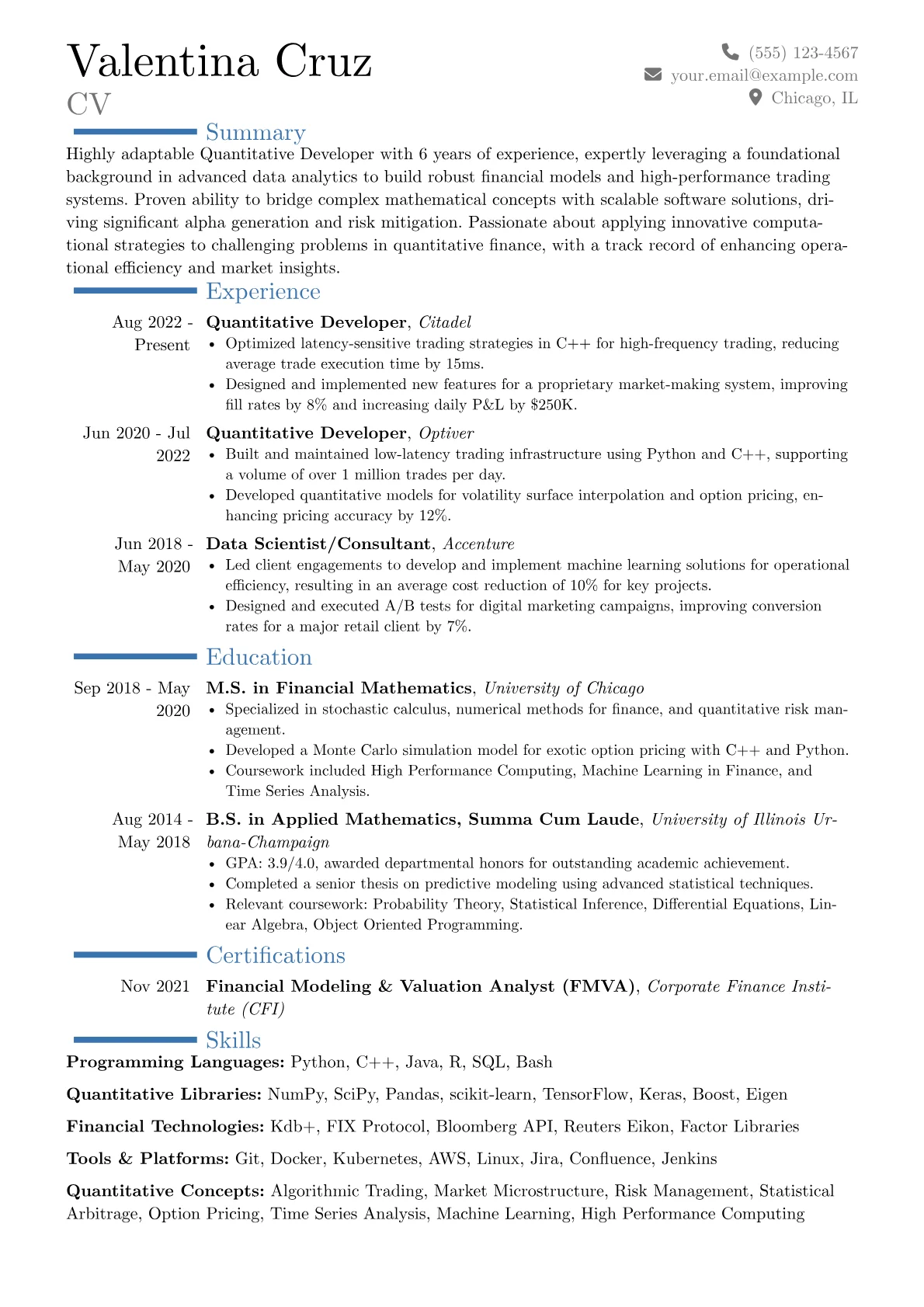
Three complete resumes, each in a different design.

Free to use. No download fee.
Editorial Notes
For a mid-level Quantitative Developer in Finance & Banking, a resume must immediately convey deep technical expertise alongside financial domain knowledge. Hiring managers seek evidence of direct impact on critical financial systems or trading strategies. Key achievements often include designing and implementing complex pricing models, optimizing low-latency execution systems, or developing sophisticated risk analytics platforms. Strong candidates showcase proficiency in advanced mathematics, statistics, and programming languages like C++ or Python, often applied to areas like derivative pricing, algorithmic trading, or quantitative risk management. Mentioning relevant certifications, such as the Certificate in Quantitative Finance (CQF), further strengthens the profile.
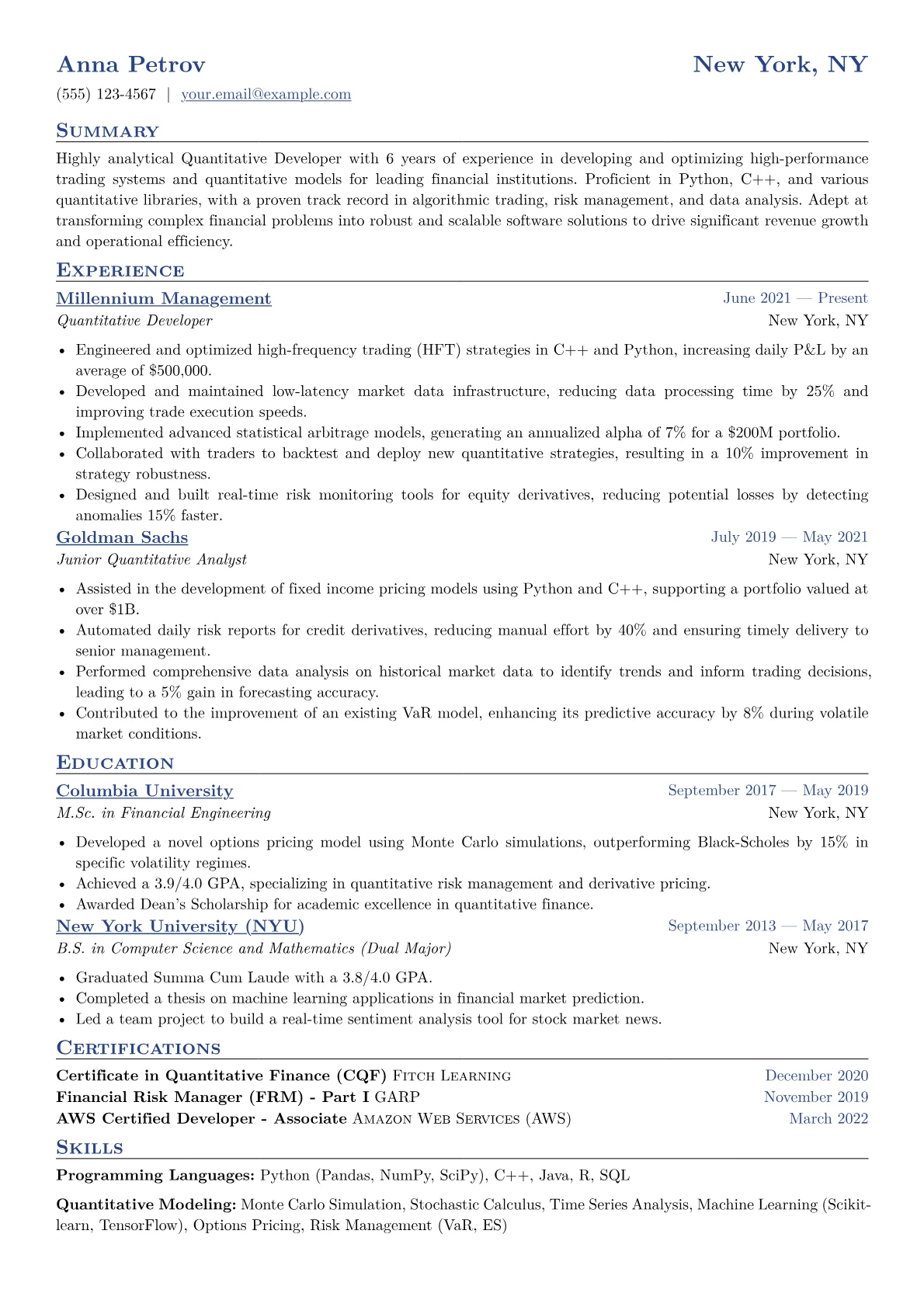
The JobSprout example Quantitative Developer CV effectively highlights these essential elements. Achievements are precisely quantified; for instance, "Developed a new Monte Carlo simulation engine, improving calculation speed by 30% for exotic options" demonstrates clear value. Skills are thoughtfully grouped into categories like "Programming Languages" (e.g., C++, Python, kdb+), "Financial Modeling," and "Database/Big Data," making technical breadth easily digestible. The explicit listing of quantitative libraries and tools like Boost and QuantLib, alongside frameworks used in high-frequency trading environments, ensures specific competencies are immediately visible to hiring teams.
This template was built with JobSprout and can be remixed to create your own tailored Quantitative Developer resume, ensuring your unique skills are presented with maximum impact.
How useful was this template?
Example by JobSproutQuantitative Developer resume summary example
Highly analytical Quantitative Developer with 6 years of experience in developing and optimizing high-performance trading systems and quantitative models for leading financial institutions. Proficient in Python, C++, and various quantitative libraries, with a proven track record in algorithmic trading, risk management, and data analysis. Adept at transforming complex financial problems into robust and scalable software solutions to drive significant revenue growth and operational efficiency.
Quantitative Developer salary by country
| Country | 25th percentile | Median | 75th percentile |
|---|---|---|---|
| US | $116,111 | $140,766 | $142,515 |
| UK | £53,333 | £70,000 | £93,657 |
| Canada | C$90,000 | C$130,000 | C$157,500 |
| Australia | A$125,000 | A$130,000 | A$135,000 |
| Germany | €59,500 | €70,570 | €77,887 |
| France | €27,917 | €37,000 | €48,125 |
| Netherlands | €55,000 | €66,667 | €74,250 |
| Italy | €25,000 | €31,250 | €38,750 |
| Austria | €46,250 | €58,750 | €67,500 |
| New Zealand | NZ$102,500 | NZ$120,000 | NZ$162,500 |
| India | ₹600,000 | ₹1,166,667 | ₹1,666,667 |
| Poland | zł186,440 | zł209,338 | zł232,236 |
Annual salaries in local currency, aggregated from live job postings via Adzuna. Figures refresh continuously and reflect advertised pay, not negotiated offers.
Quantitative Developer resume skills and keywords
Recruiters and applicant tracking systems scan Quantitative Developer resumes for these skills and keywords. Include the ones that match your experience and mirror the wording in the job description. Check your resume against them with the free ATS checker.
Hard skills
Tools & software
Certifications
Soft skills
Market Insights
Quantitative Developer
Salary Range
Salary Trend
Mar 2025 – Feb 2026
12-Month Trend
Based on advertised Finance & Accounting roles.
US market data · Source: Adzuna · Updated Mar 2026
Frequently Asked Questions
What's the best resume structure for a mid-level Quantitative Developer?
Which skills and qualifications should a Quantitative Developer highlight on their resume?
How can I write strong achievement bullets or a professional summary for a Quantitative Developer?
Are there any optional sections that are particularly important for a Quantitative Developer?
How do I tailor this resume template for a specific Quantitative Developer job posting?
The blank page is the hard part. Skip it.
Free to use. No download fee.
![How to Write a CV for Finance Applications [2026 Guide]](/thumbnails/cv-for-finance-applications.webp)