Utility Locator Resume Example
 Example by JobSprout
Free to use. No download fee.
Market Insights
Utility Locator
Salary Range
US market data · Source: Adzuna · Updated Mar 2026
How useful was this template?
Utility Locator resume samples
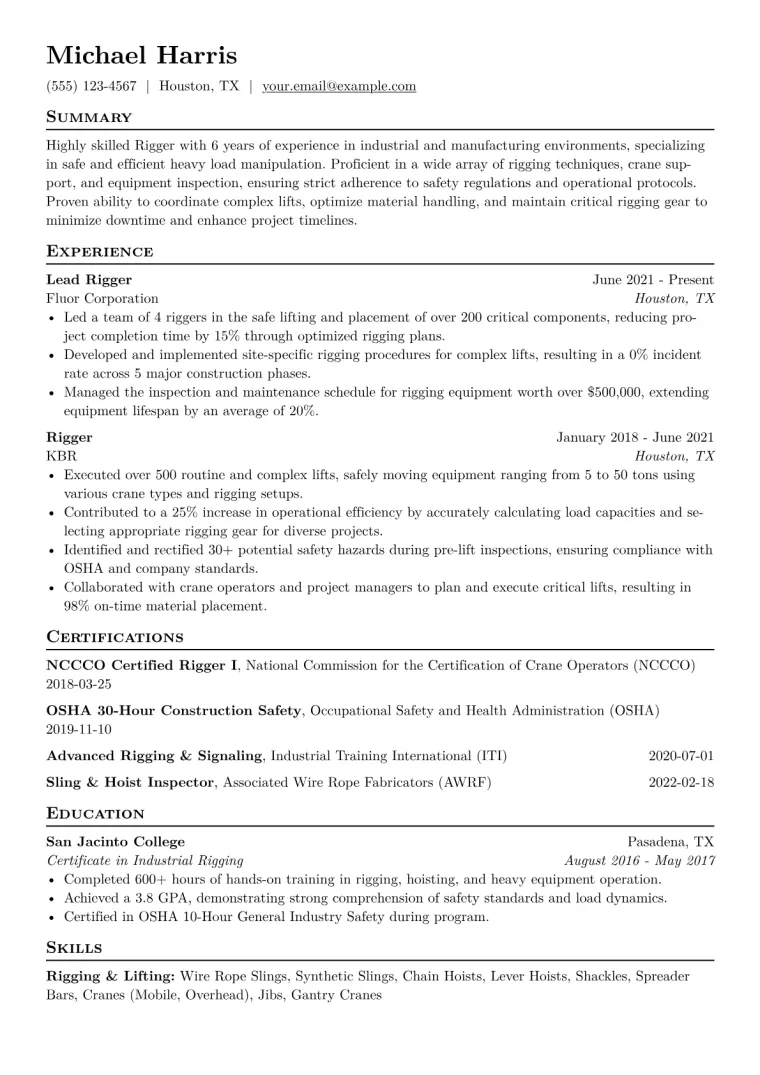
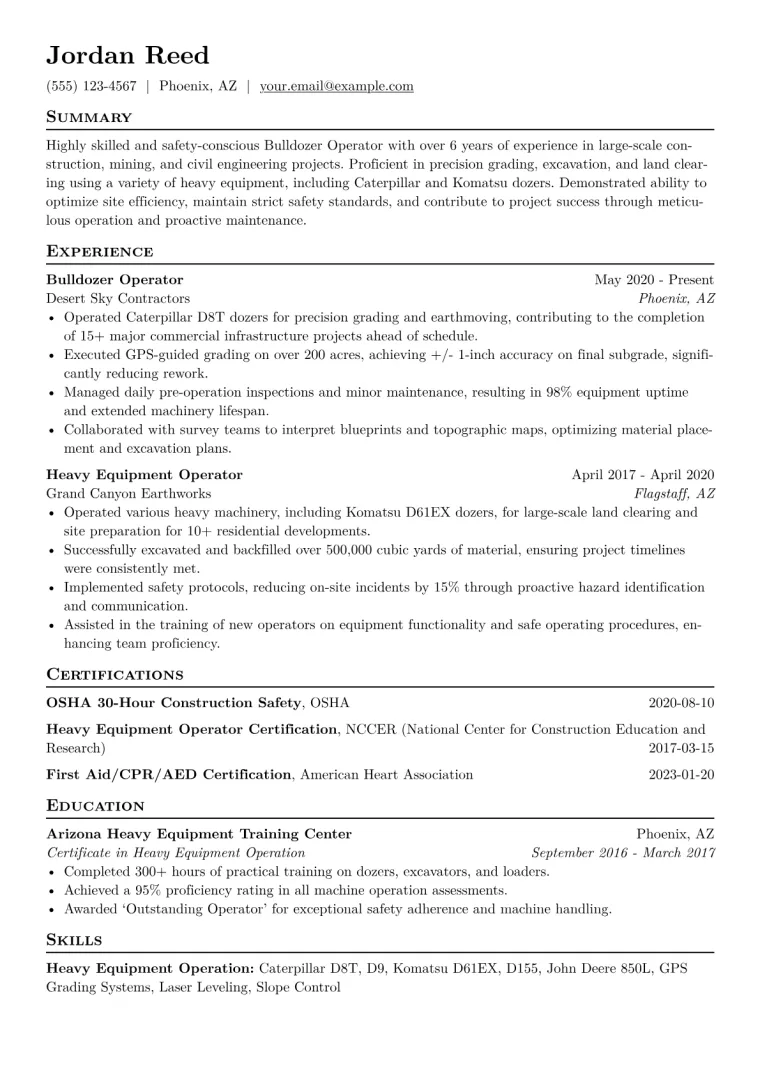
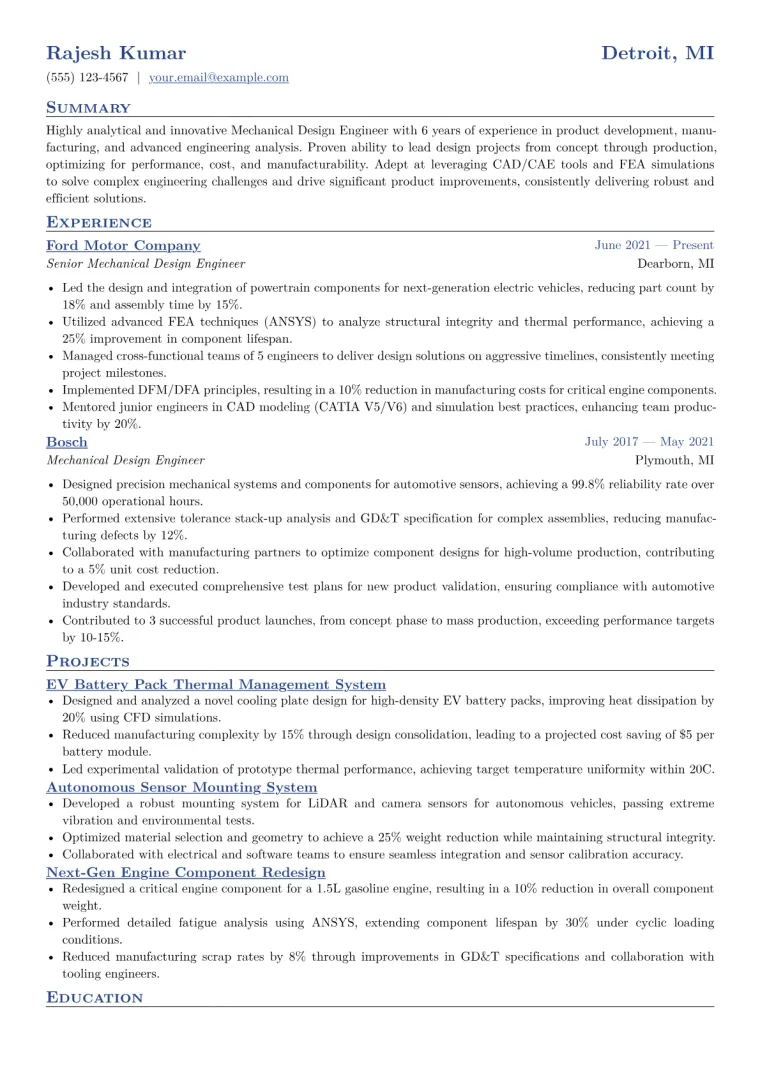
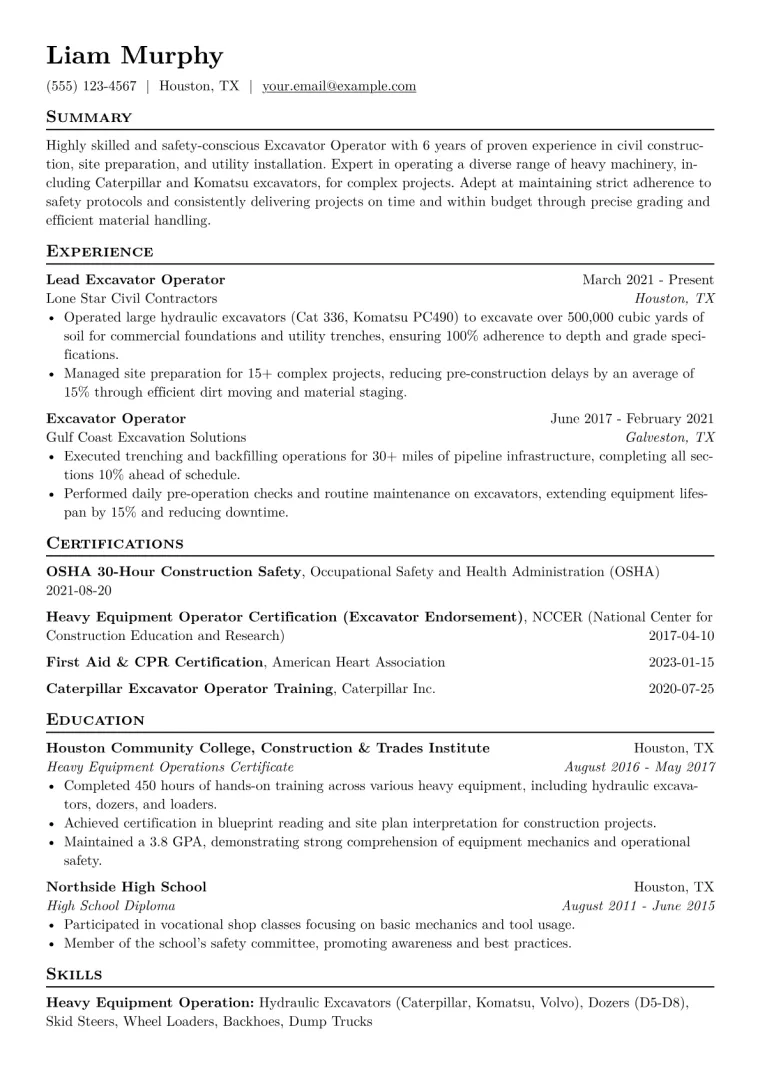
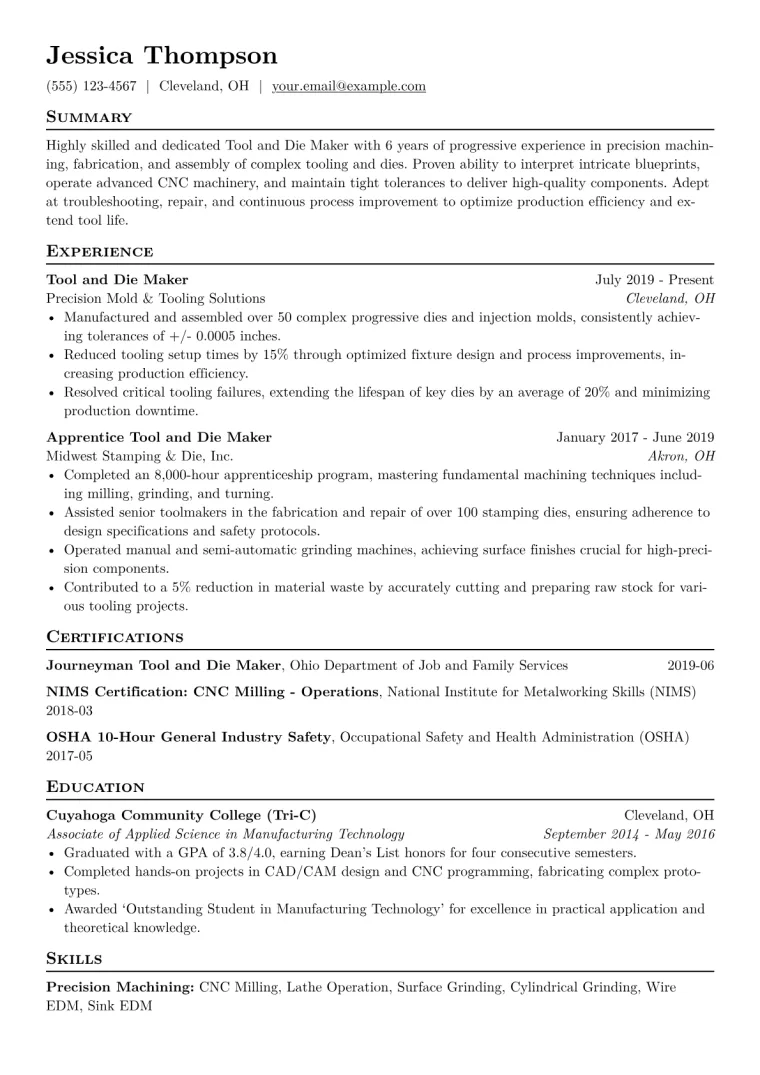
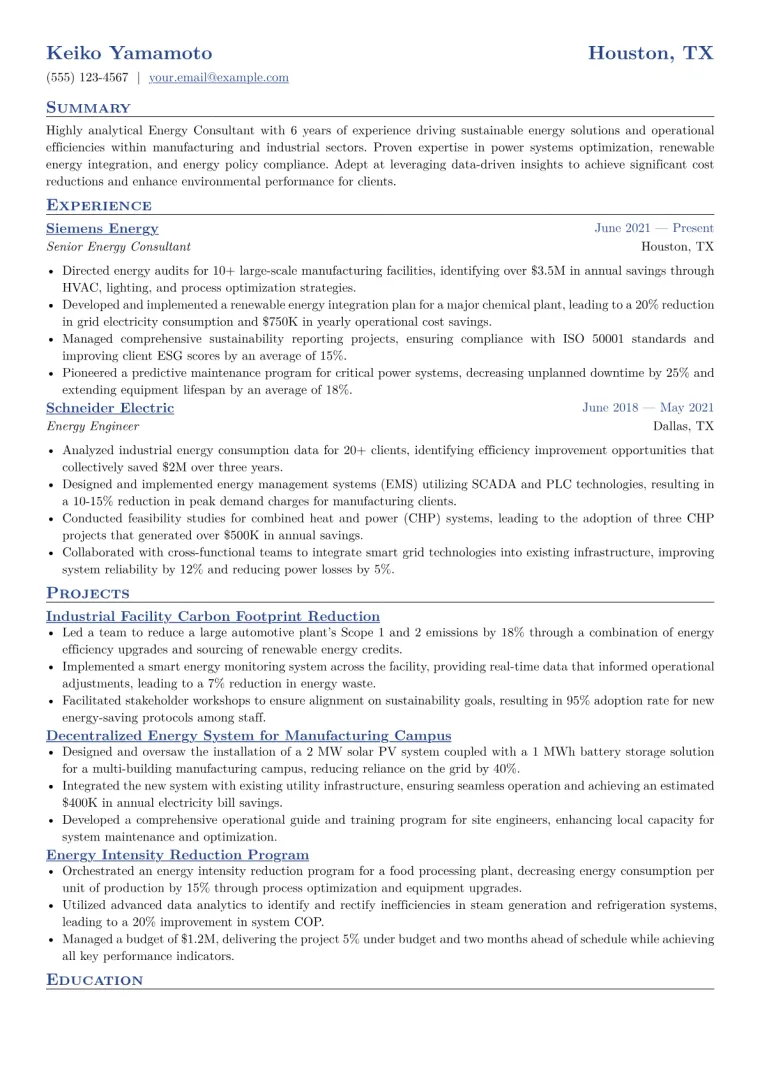
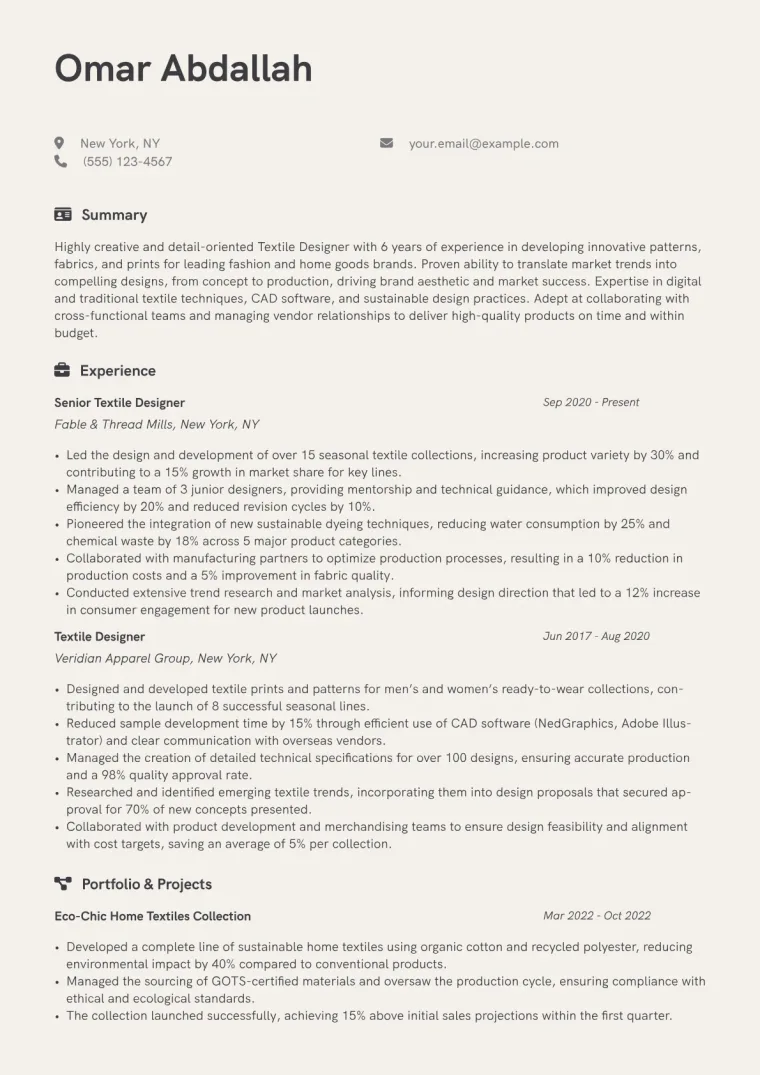
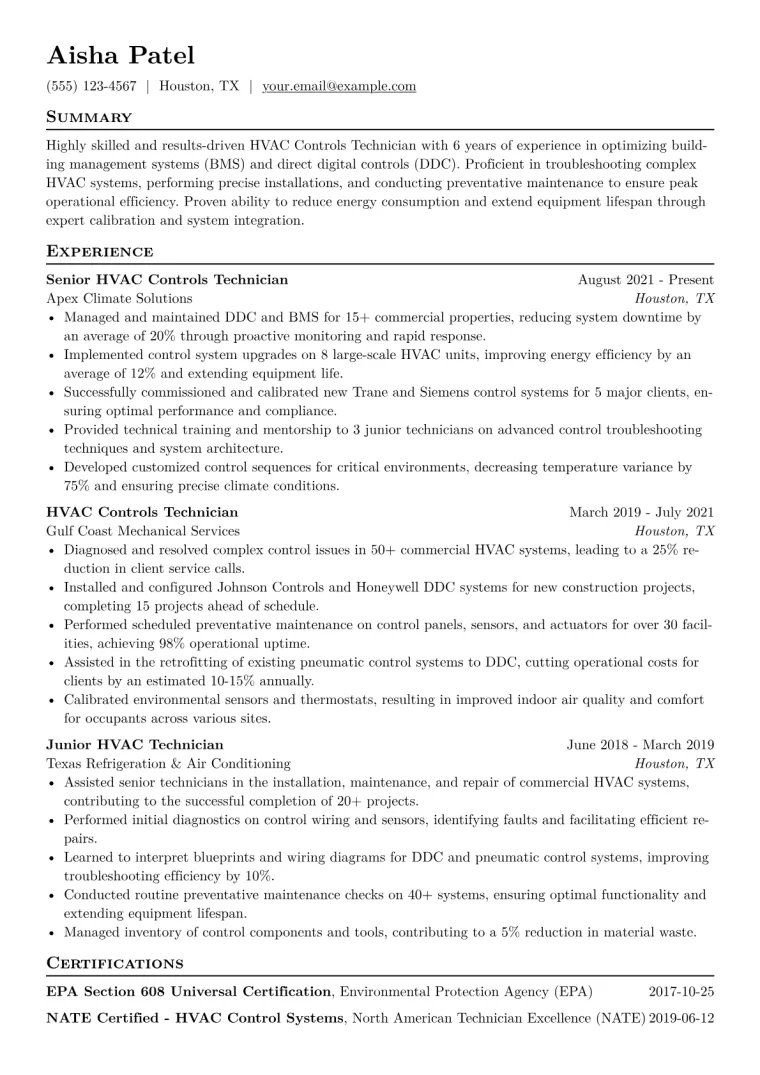
Three complete resumes, each in a different design.
Free to use. No download fee.
Editorial Notes
For a Utility Locator in Manufacturing, a compelling resume emphasizes precision, safety compliance, and efficiency in preventing underground utility strikes. Hiring managers specifically look for candidates who demonstrate expertise with advanced locating technologies such as electromagnetic induction and ground penetrating radar (GPR). Achievements should highlight reducing damage incidents, accurate mapping of complex industrial infrastructure, and adherence to regulatory standards like 811 Call Before You Dig, often within fast-paced production schedules. Certifications such as NULCA and OSHA 10/30 are critical.
This example CV excels by clearly segmenting technical proficiencies, including specific equipment like Vivax-Metrotech vLoc3 and Radiodetection RD8200, alongside safety protocols. Achievements are powerfully quantified, showing real impact, such as "Reduced utility strike incidents by 15% across 20+ manufacturing sites." Skills are logically grouped, distinguishing between technical location capabilities, safety and compliance knowledge, and blueprint interpretation. This structure effectively communicates a candidate's readiness to handle critical subsurface utility engineering challenges.
This template was built with JobSprout and can be remixed to create your own tailored Utility Locator resume.
How useful was this template?
Example by JobSproutUtility Locator resume summary example
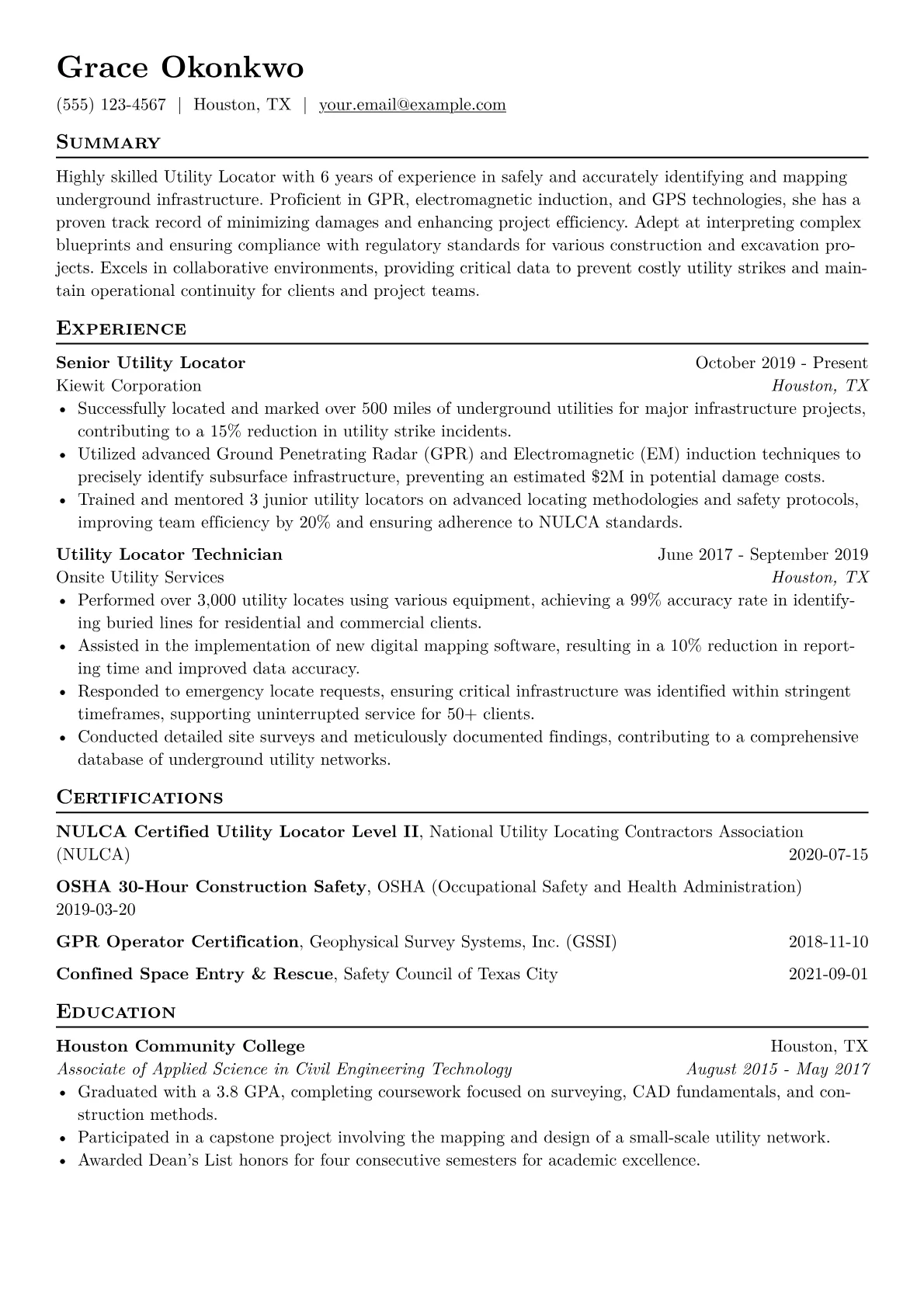
Highly skilled Utility Locator with 6 years of experience in safely and accurately identifying and mapping underground infrastructure. Proficient in GPR, electromagnetic induction, and GPS technologies, she has a proven track record of minimizing damages and enhancing project efficiency. Adept at interpreting complex blueprints and ensuring compliance with regulatory standards for various construction and excavation projects. Excels in collaborative environments, providing critical data to prevent costly utility strikes and maintain operational continuity for clients and project teams.
Utility Locator salary by country
| Country | 25th percentile | Median | 75th percentile |
|---|---|---|---|
| US | $43,997 | $53,552 | $70,132 |
| UK | £37,500 | £51,667 | £68,500 |
| Canada | C$62,722 | C$70,000 | C$77,278 |
| Australia | A$103,425 | A$146,850 | A$190,275 |
| Germany | €46,875 | €59,333 | €72,400 |
| France | €34,591 | €43,190 | €53,802 |
| Netherlands | €43,021 | €53,571 | €65,375 |
| Italy | €28,125 | €47,500 | €66,875 |
| Austria | €35,833 | €45,000 | €62,500 |
| New Zealand | NZ$64,583 | NZ$89,063 | NZ$122,656 |
| India | ₹350,000 | ₹700,000 | ₹1,250,000 |
| Poland | zł97,000 | zł137,000 | zł178,750 |
Annual salaries in local currency, aggregated from live job postings via Adzuna. Figures refresh continuously and reflect advertised pay, not negotiated offers.
Utility Locator resume skills and keywords
Recruiters and applicant tracking systems scan Utility Locator resumes for these skills and keywords. Include the ones that match your experience and mirror the wording in the job description. Check your resume against them with the free ATS checker.
Hard skills
Tools & software
Certifications
Soft skills
Market Insights
Utility Locator
Salary Range
US market data · Source: Adzuna · Updated Mar 2026
Frequently Asked Questions
What's the best resume structure for a mid-level Utility Locator with 3-7 years of experience?
Which skills and qualifications should I really emphasize on my Utility Locator resume?
How do I write strong achievement bullets or a compelling professional summary as a Utility Locator?
What optional sections, like certifications or specialized training, are most important for a Utility Locator's resume?
How can I tailor my Utility Locator resume for a specific job posting, perhaps using JobSprout's AI tool?
The blank page is the hard part. Skip it.
Free to use. No download fee.
![How to Write a CV for Manufacturing Applications [2026 Guide]](/thumbnails/cv-for-manufacturing-applications.webp)