Architectural Metalworker Resume Example
 Example by JobSprout
Free to use. No download fee.
Market Insights
Architectural Metalworker
Salary Range
US market data · Source: Adzuna · Updated Mar 2026
How useful was this template?
Architectural Metalworker resume samples
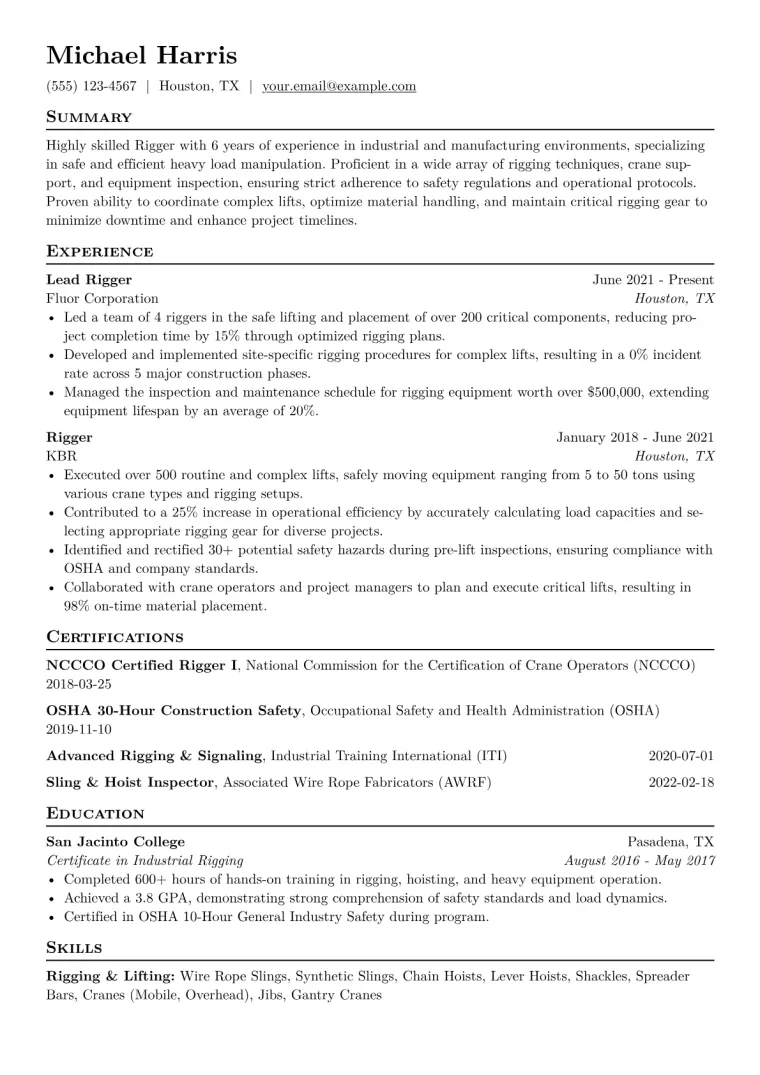
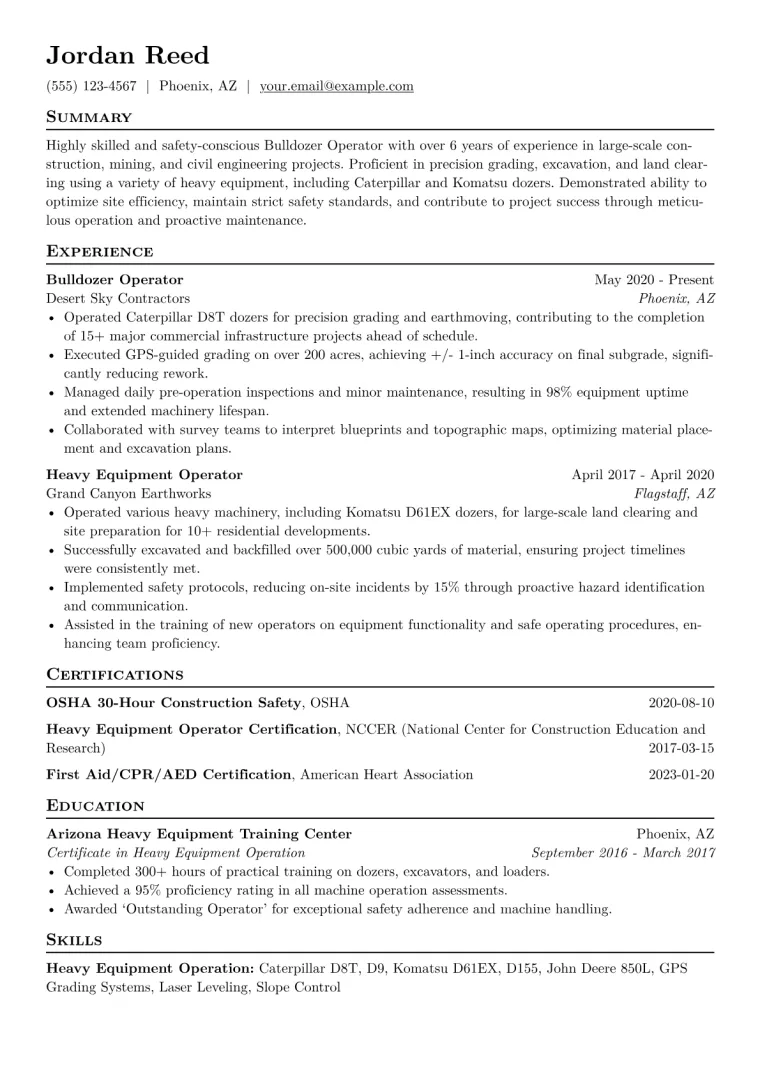
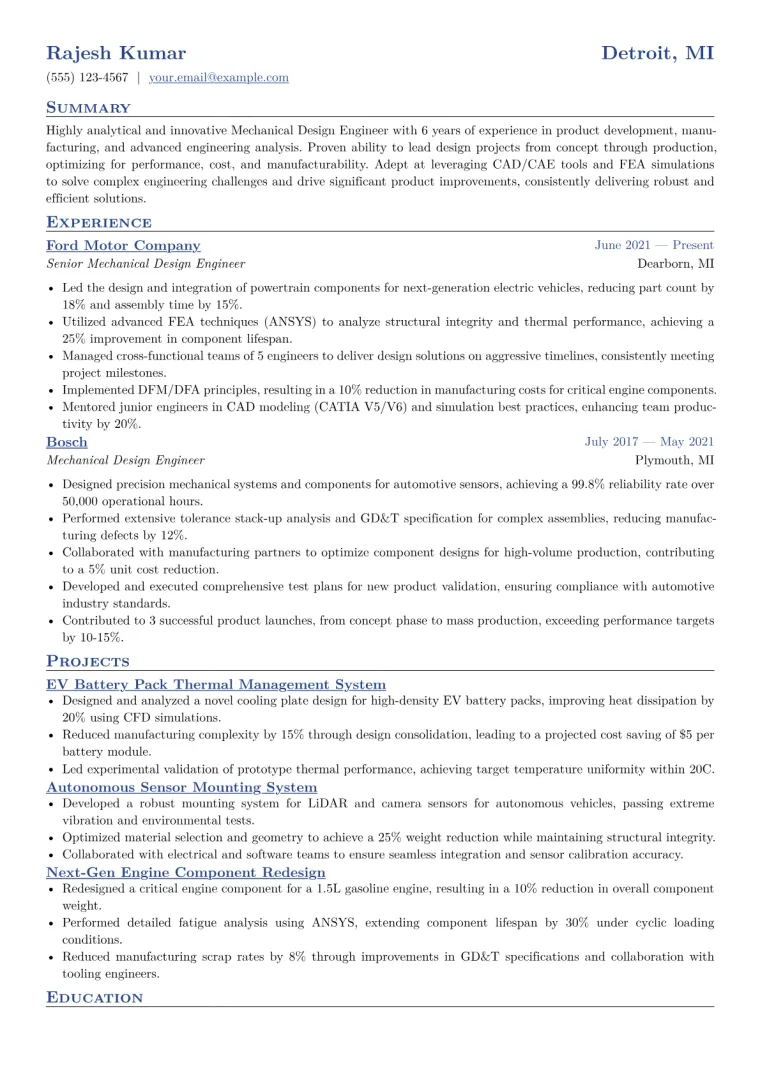
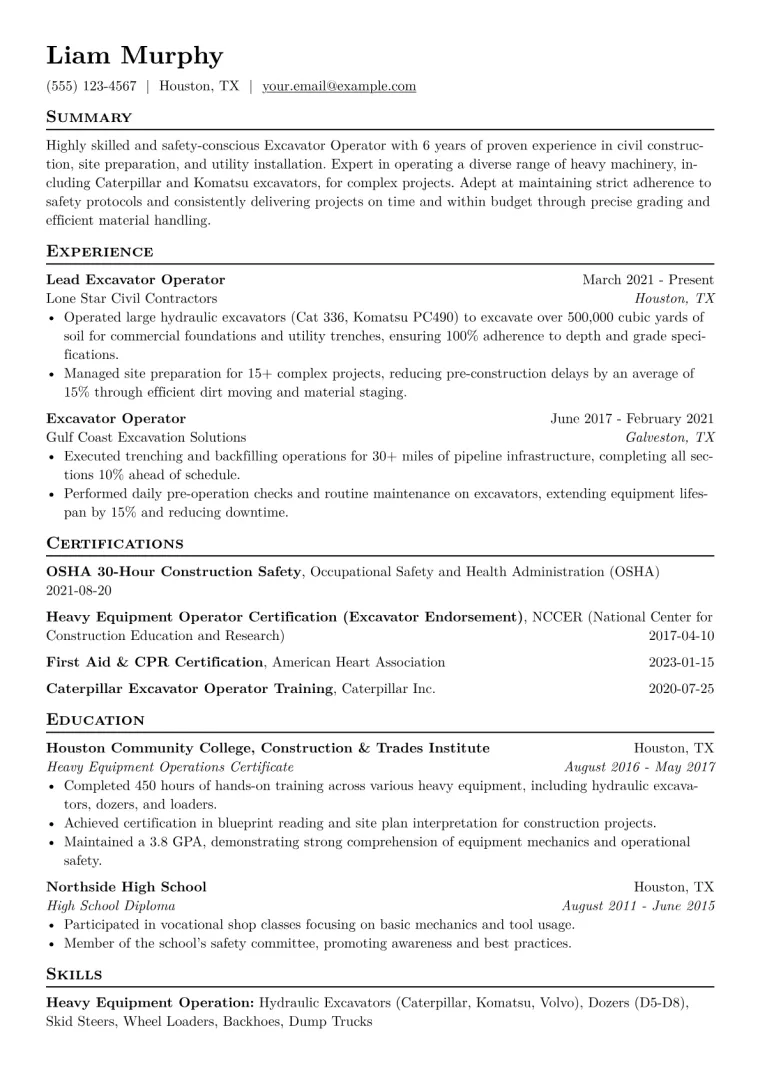
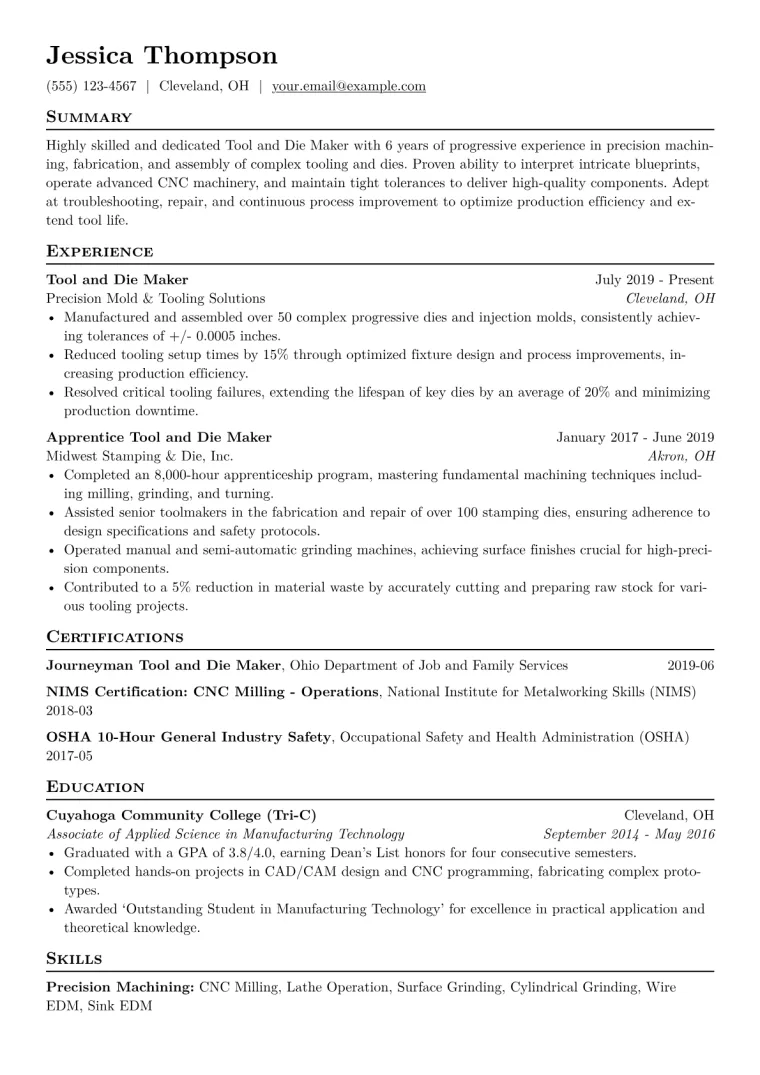
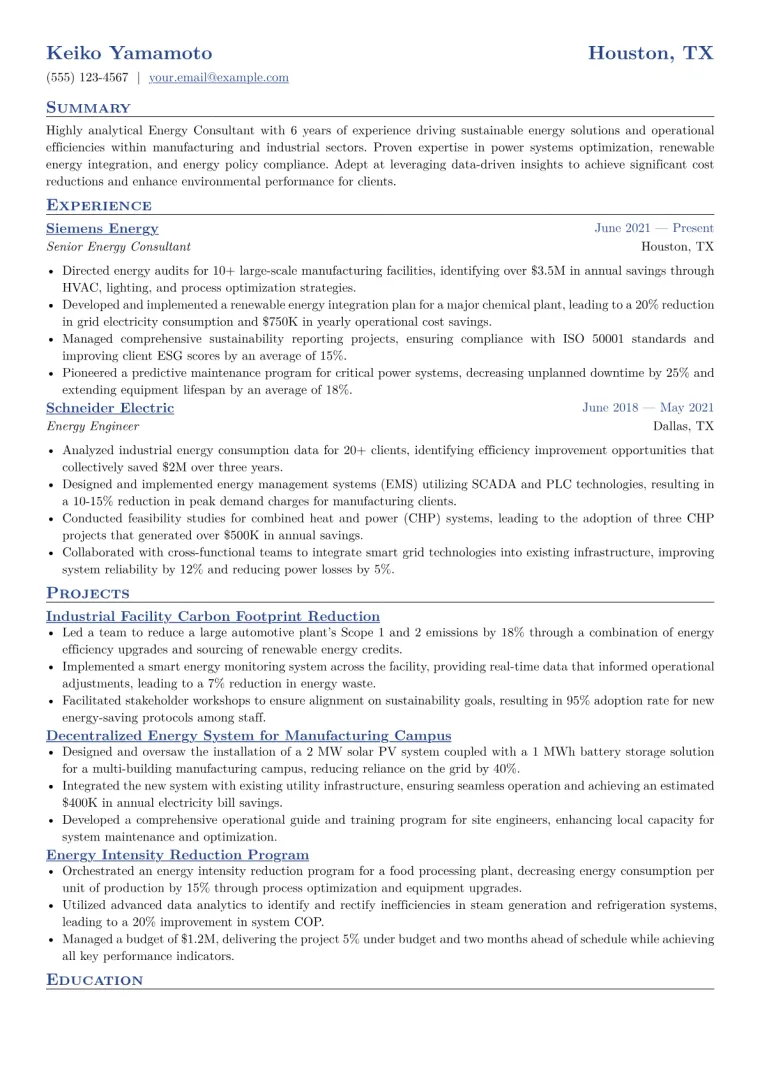
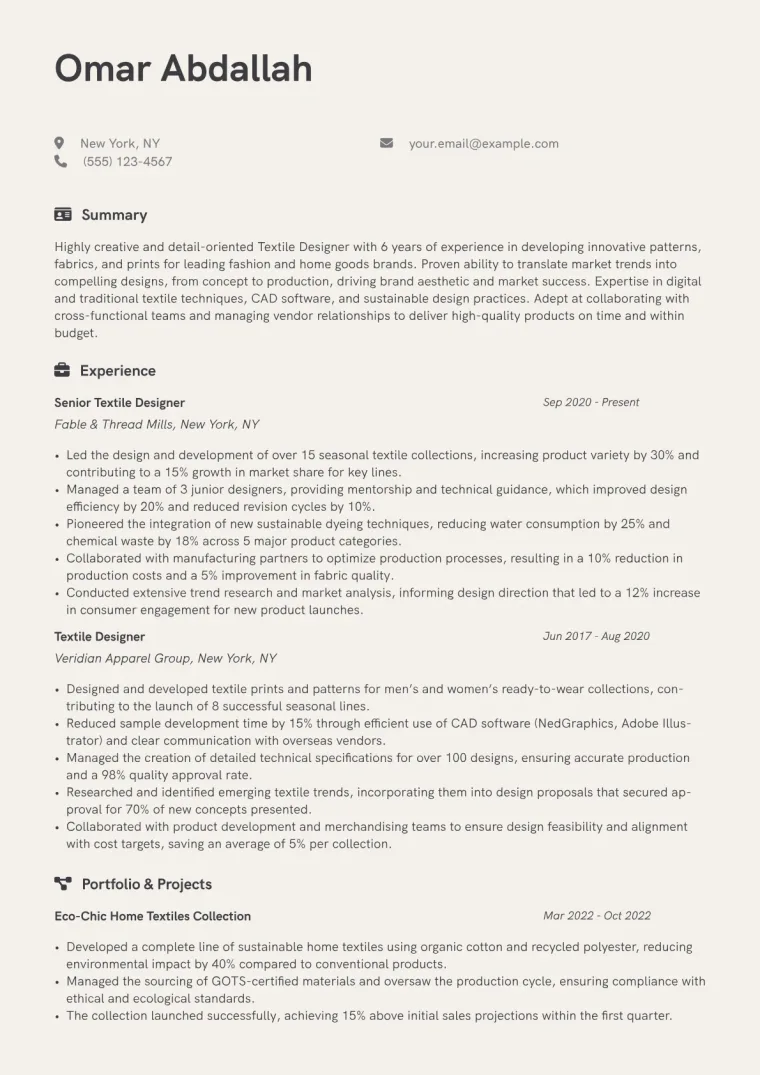
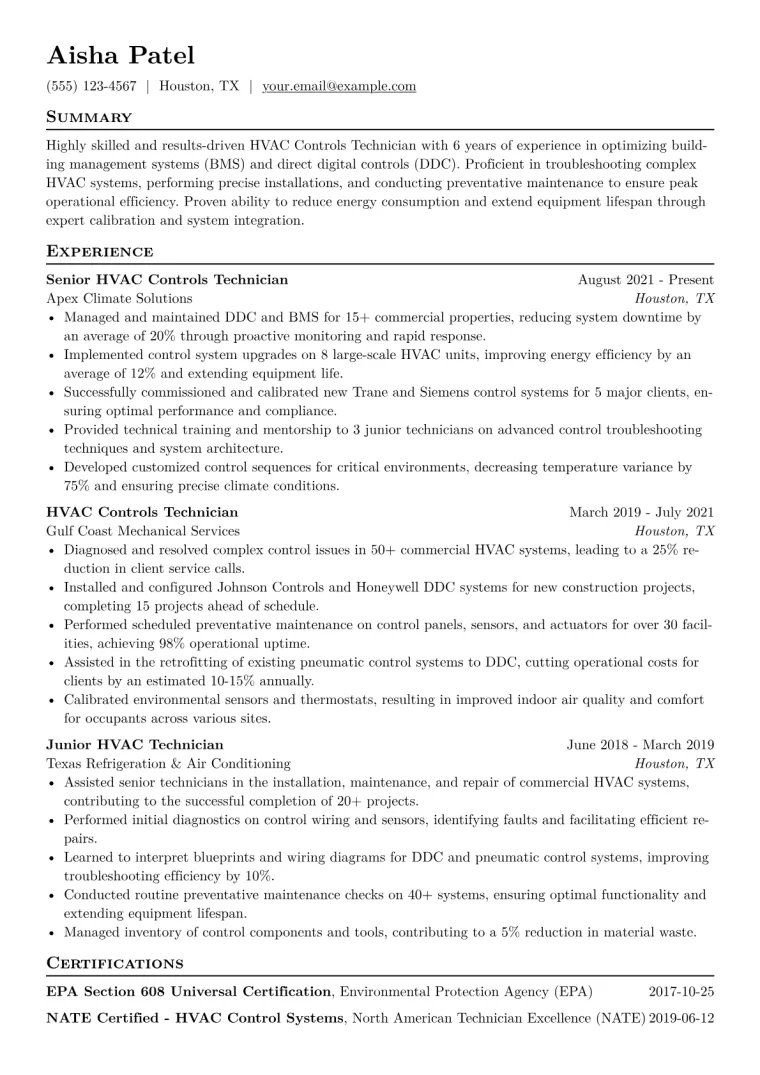
Three complete resumes, each in a different design.
Free to use. No download fee.
Editorial Notes
For an Architectural Metalworker in Manufacturing, hiring managers seek more than just hands-on skill; they look for a demonstrated understanding of both aesthetic precision and structural integrity. Key achievements should highlight expertise in custom fabrication, advanced welding techniques like TIG and MIG on diverse materials such as stainless steel and bronze, and precise blueprint interpretation. Certification in specific welding codes, OSHA safety compliance, and experience operating CNC machinery or press brakes are crucial indicators of a candidate's readiness for intricate architectural projects.
The JobSprout example effectively structures these vital elements. It prominently quantifies project contributions, for instance, by noting "Fabricated 15 custom balustrades for commercial developments" or "Reduced fabrication time by 10% through optimized workflow." Skills are logically grouped into categories like 'Welding & Fabrication,' 'CAD & Design,' and 'Materials & Equipment,' making it easy to scan. Crucially, specific certifications such as AWS D1.1 and OSHA 30, alongside proficiency with tools like AutoCAD and hydraulic press brakes, are explicitly listed, showcasing relevant capabilities.
This robust template was thoughtfully constructed using JobSprout's professional CV builder. It serves as an excellent foundation to create your own compelling, tailored Architectural Metalworker resume.
How useful was this template?
Example by JobSproutArchitectural Metalworker resume summary example
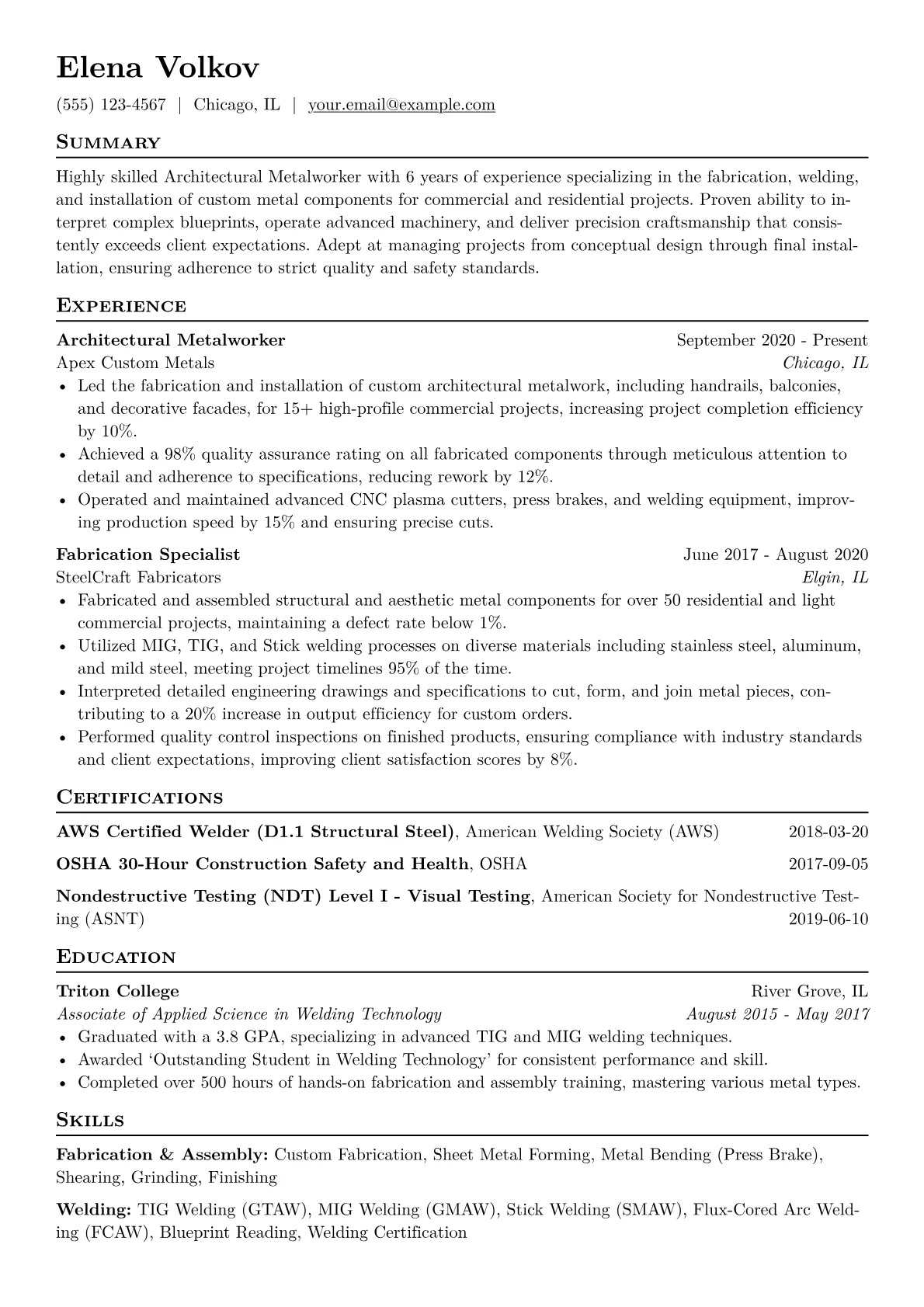
Highly skilled Architectural Metalworker with 6 years of experience specializing in the fabrication, welding, and installation of custom metal components for commercial and residential projects. Proven ability to interpret complex blueprints, operate advanced machinery, and deliver precision craftsmanship that consistently exceeds client expectations. Adept at managing projects from conceptual design through final installation, ensuring adherence to strict quality and safety standards.
Architectural Metalworker salary by country
| Country | 25th percentile | Median | 75th percentile |
|---|---|---|---|
| US | $46,280 | $59,948 | $89,282 |
| UK | £38,563 | £46,224 | £56,827 |
| Canada | C$55,193 | C$73,306 | C$93,141 |
| Australia | A$75,765 | A$92,358 | A$111,781 |
| Germany | €49,250 | €60,455 | €73,438 |
| France | €30,000 | €38,571 | €50,000 |
| Netherlands | €40,970 | €45,566 | €50,466 |
| Italy | €22,143 | €28,571 | €35,833 |
| Austria | €40,000 | €50,000 | €60,000 |
| New Zealand | NZ$71,484 | NZ$88,690 | NZ$108,173 |
| India | ₹325,153 | ₹650,307 | ₹975,460 |
| Poland | zł105,000 | zł140,000 | zł183,333 |
Annual salaries in local currency, aggregated from live job postings via Adzuna. Figures refresh continuously and reflect advertised pay, not negotiated offers.
Architectural Metalworker resume skills and keywords
Recruiters and applicant tracking systems scan Architectural Metalworker resumes for these skills and keywords. Include the ones that match your experience and mirror the wording in the job description. Check your resume against them with the free ATS checker.
Hard skills
Tools & software
Certifications
Soft skills
Market Insights
Architectural Metalworker
Salary Range
US market data · Source: Adzuna · Updated Mar 2026
Frequently Asked Questions
What's the best resume structure for a mid-level Architectural Metalworker?
What key skills and qualifications should I highlight as an Architectural Metalworker?
How can I write strong achievement bullets or a professional summary for this role?
Which optional sections matter most for an Architectural Metalworker?
How do I tailor this resume for a specific Architectural Metalworker job posting?
The blank page is the hard part. Skip it.
Free to use. No download fee.
![How to Write a CV for Manufacturing Applications [2026 Guide]](/thumbnails/cv-for-manufacturing-applications.webp)