Cardiac Rehabilitation Specialist Resume Example
 Example by JobSprout
Free to use. No download fee.
Market Insights
Cardiac Rehabilitation Specialist
Salary Range
Salary Trend
Mar 2025 – Feb 2026
12-Month Trend
Based on advertised Healthcare (Clinical) roles.
US market data · Source: Adzuna · Updated Mar 2026
How useful was this template?
Cardiac Rehabilitation Specialist resume samples
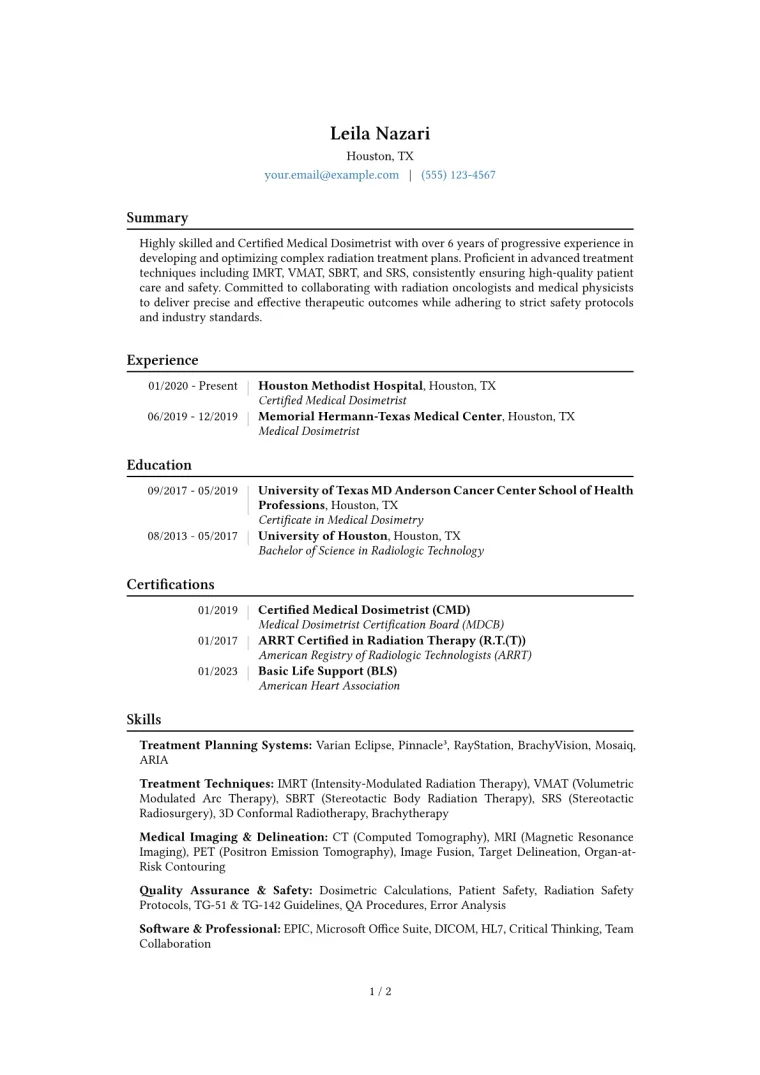
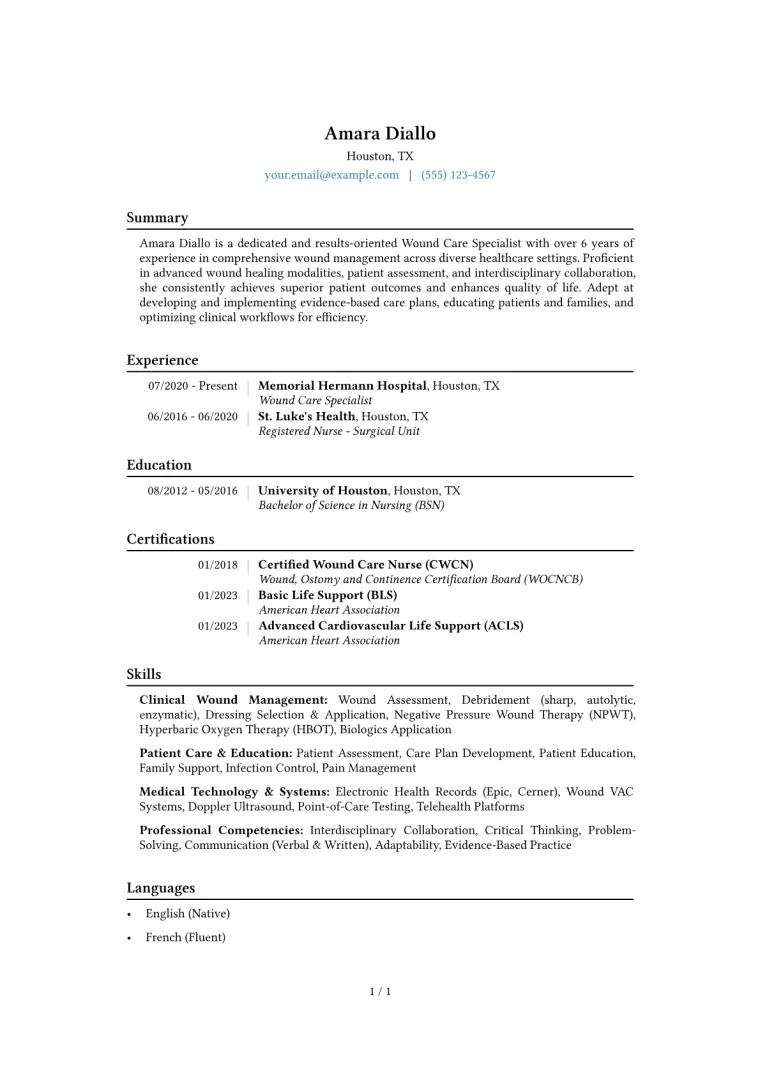
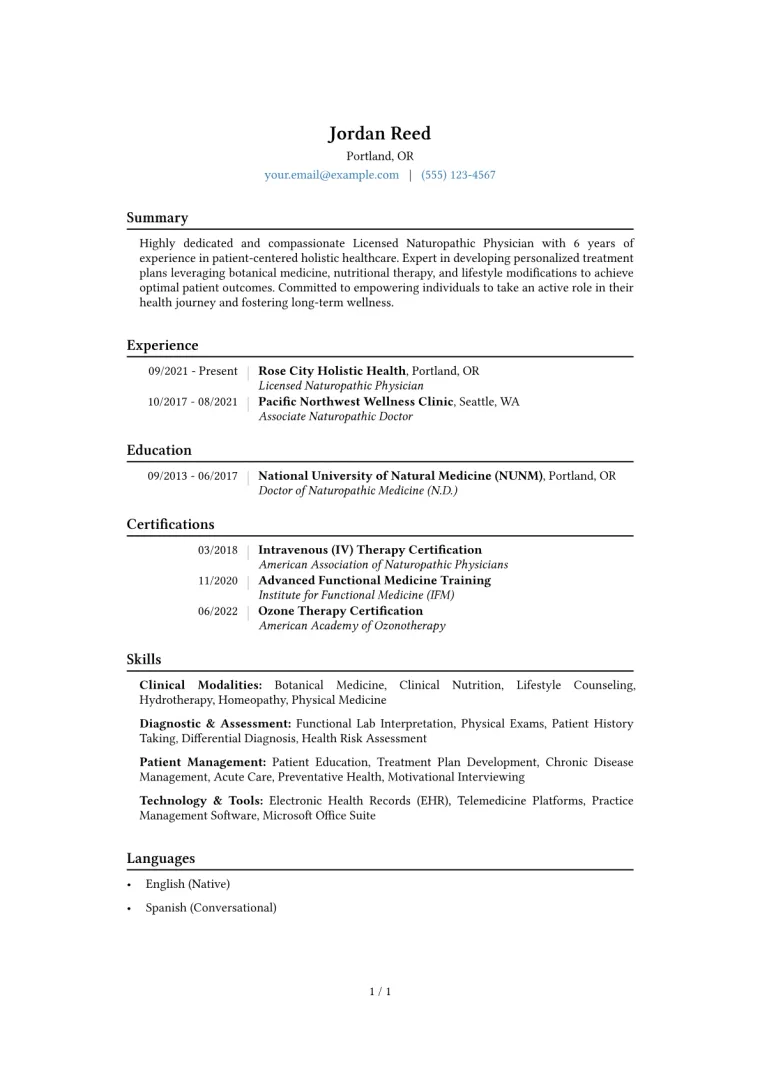
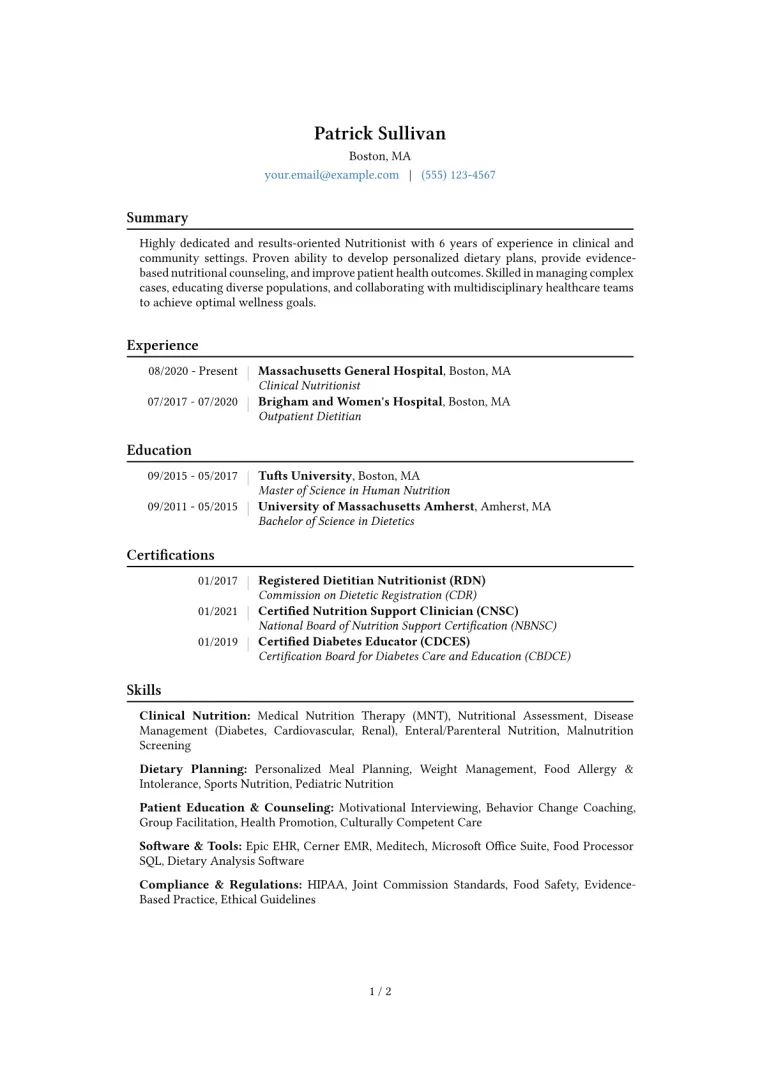
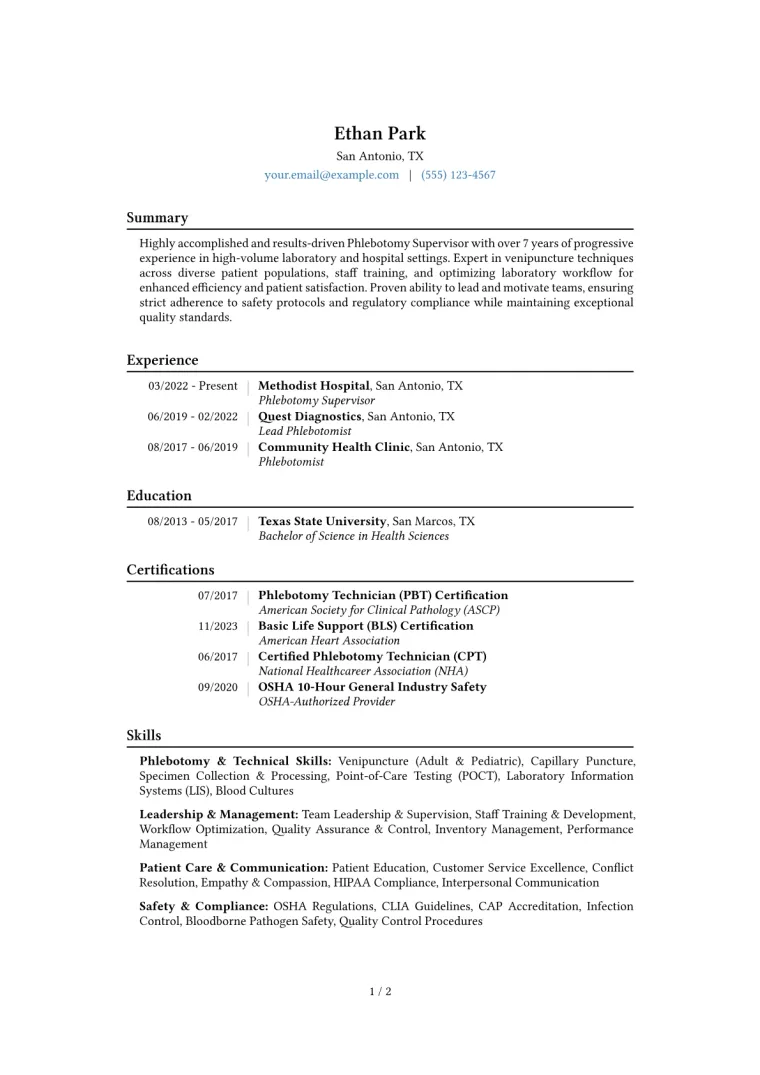
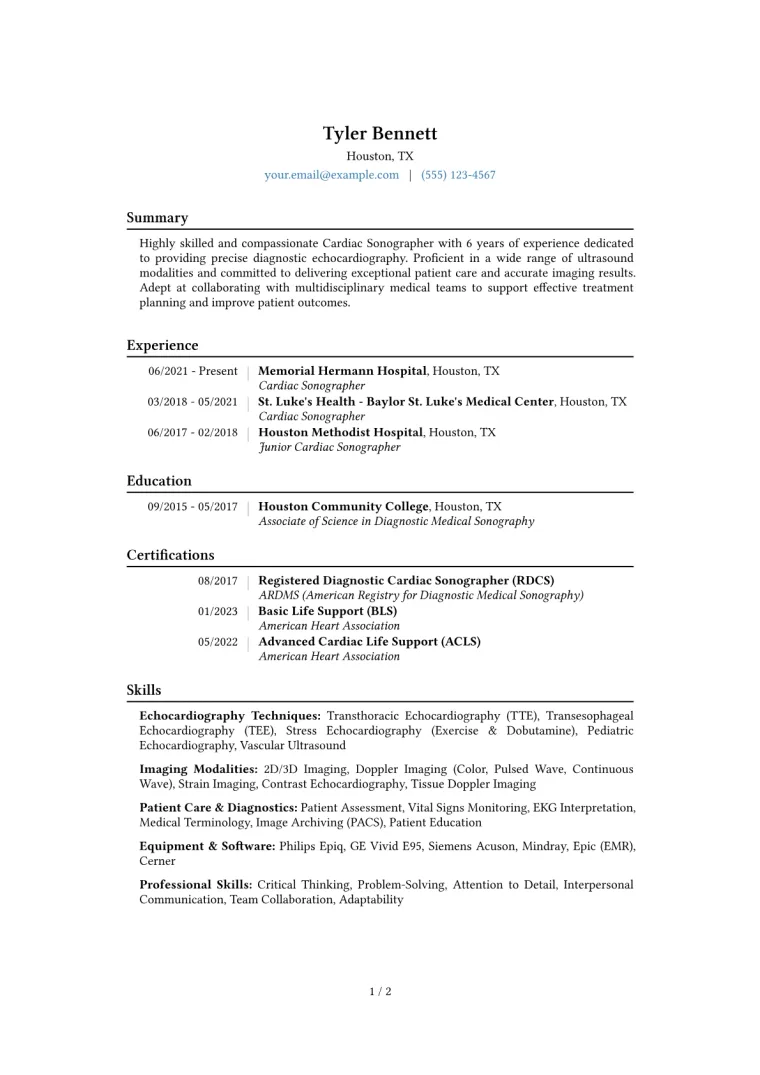
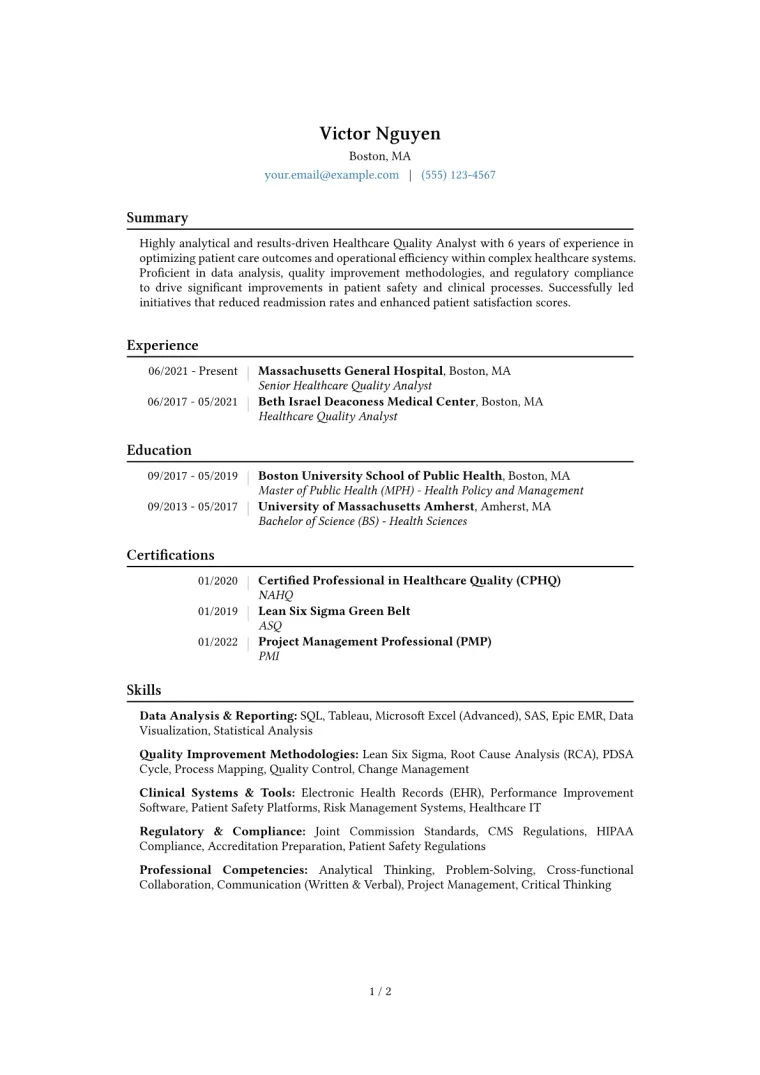
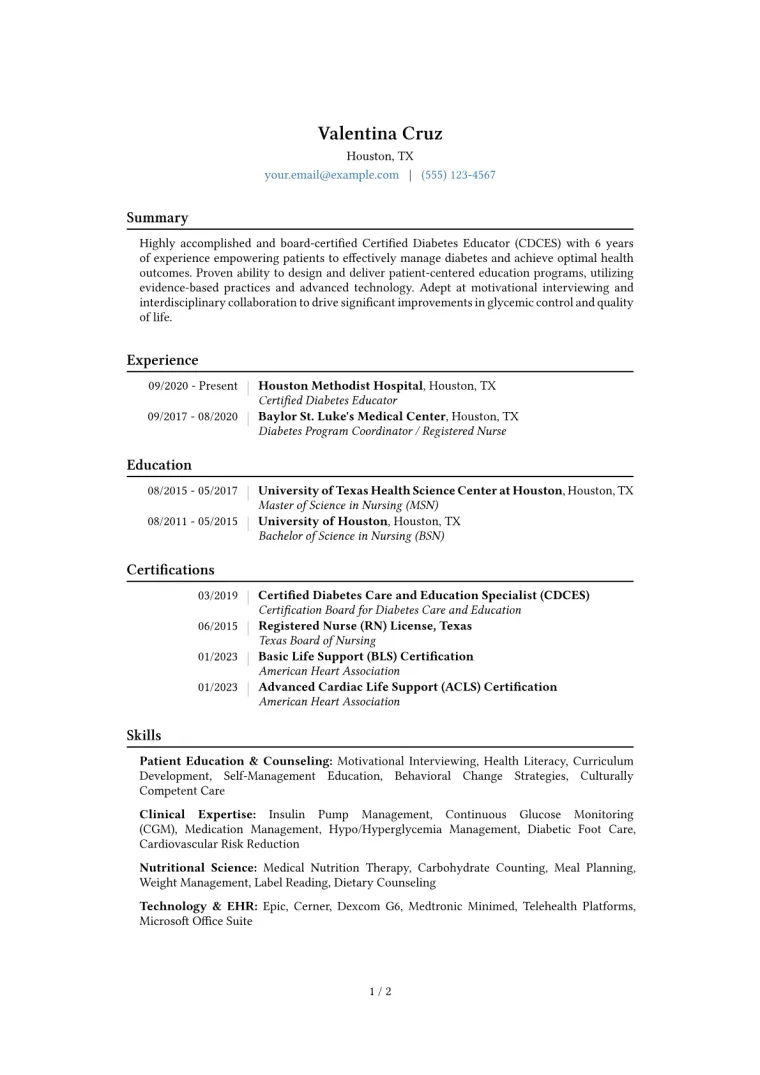
Three complete resumes, each in a different design.

Free to use. No download fee.
Editorial Notes
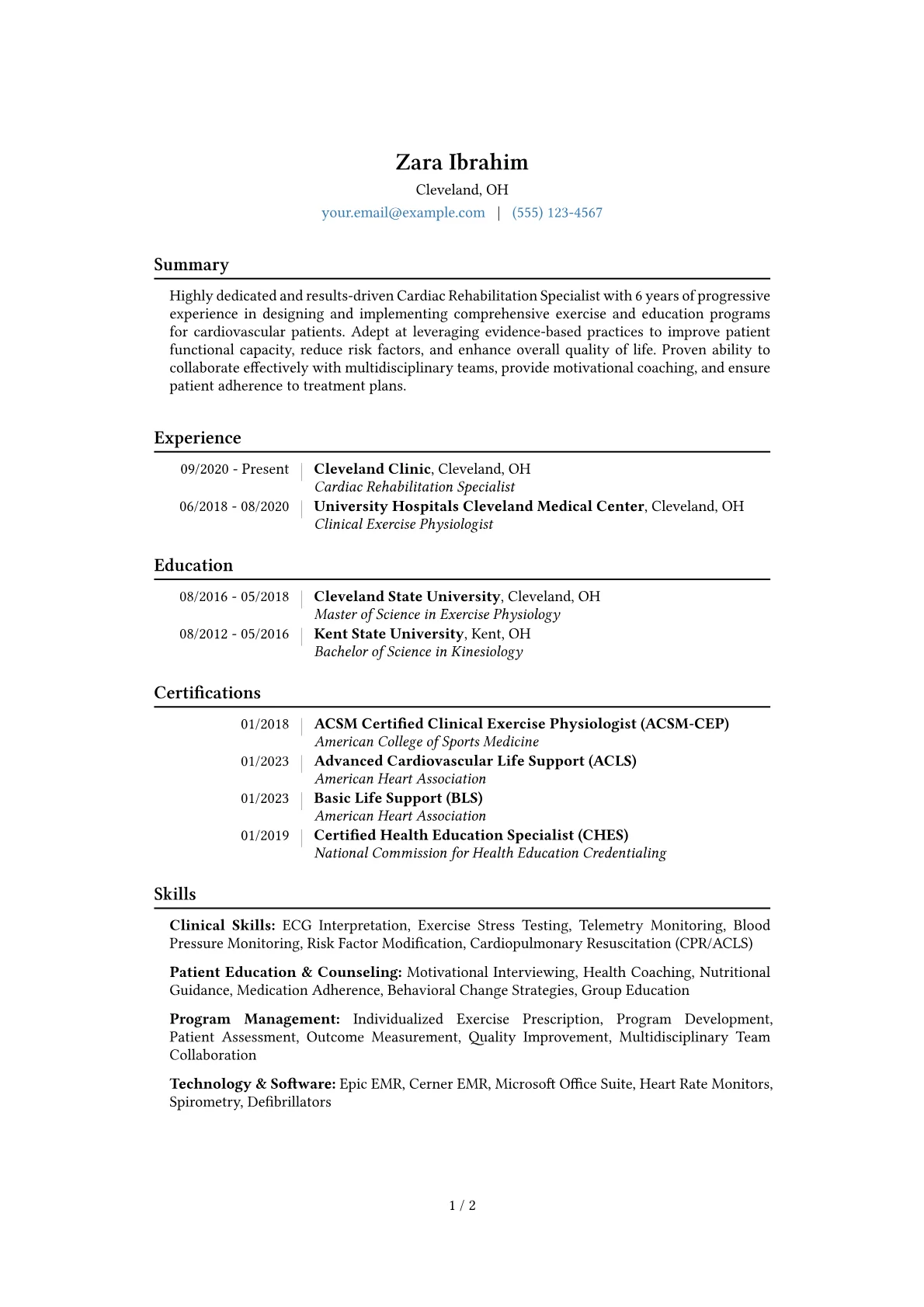
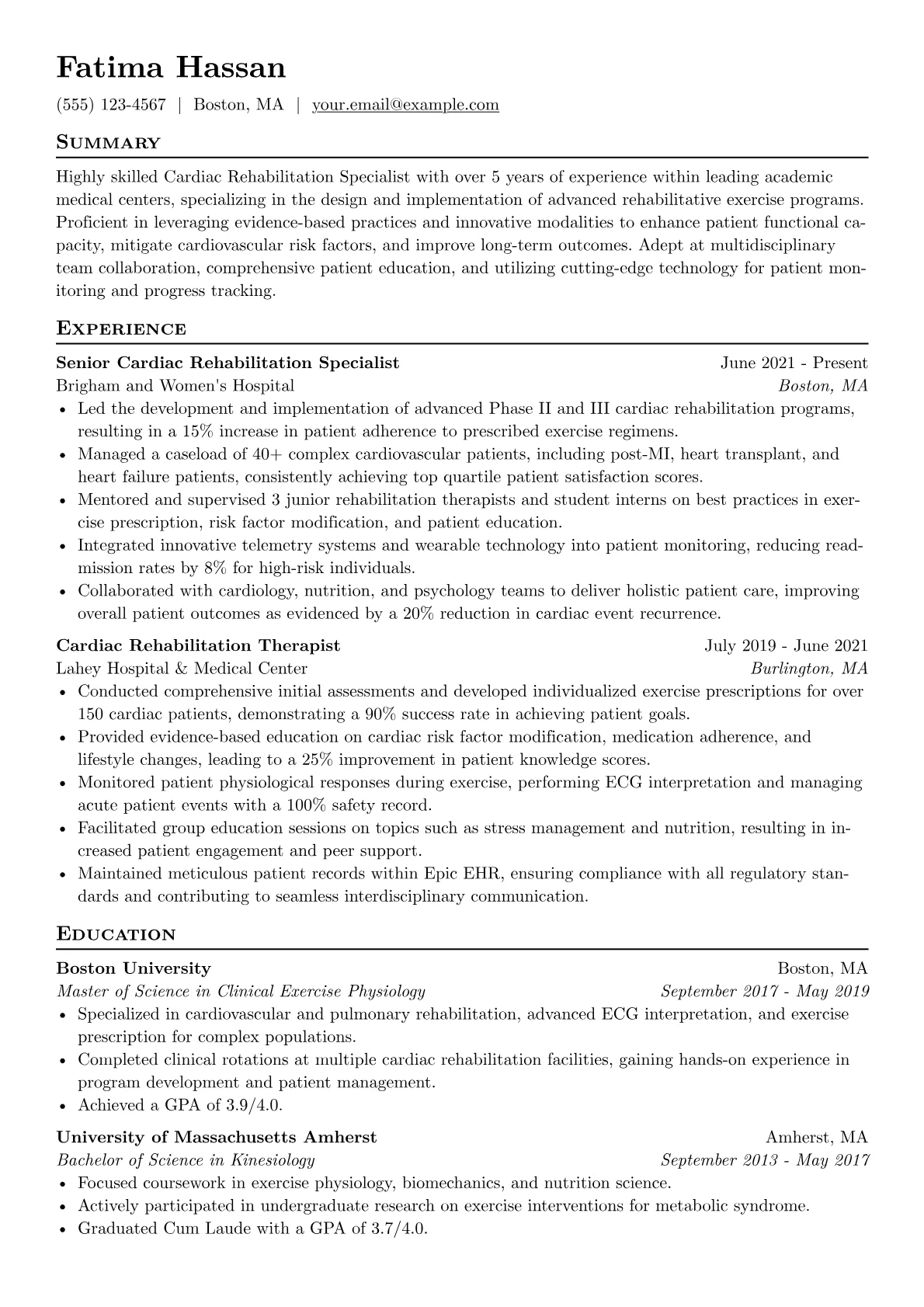
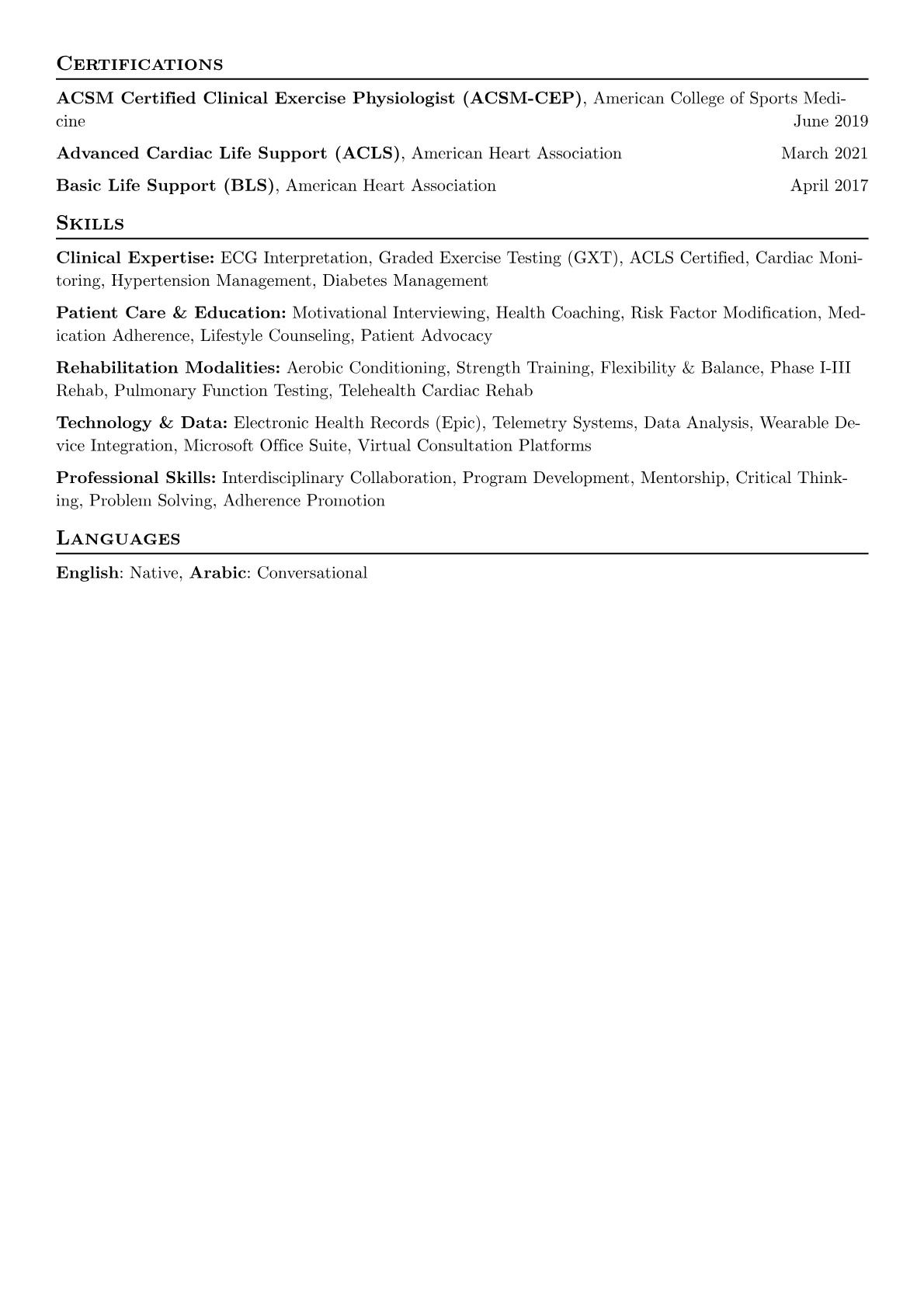
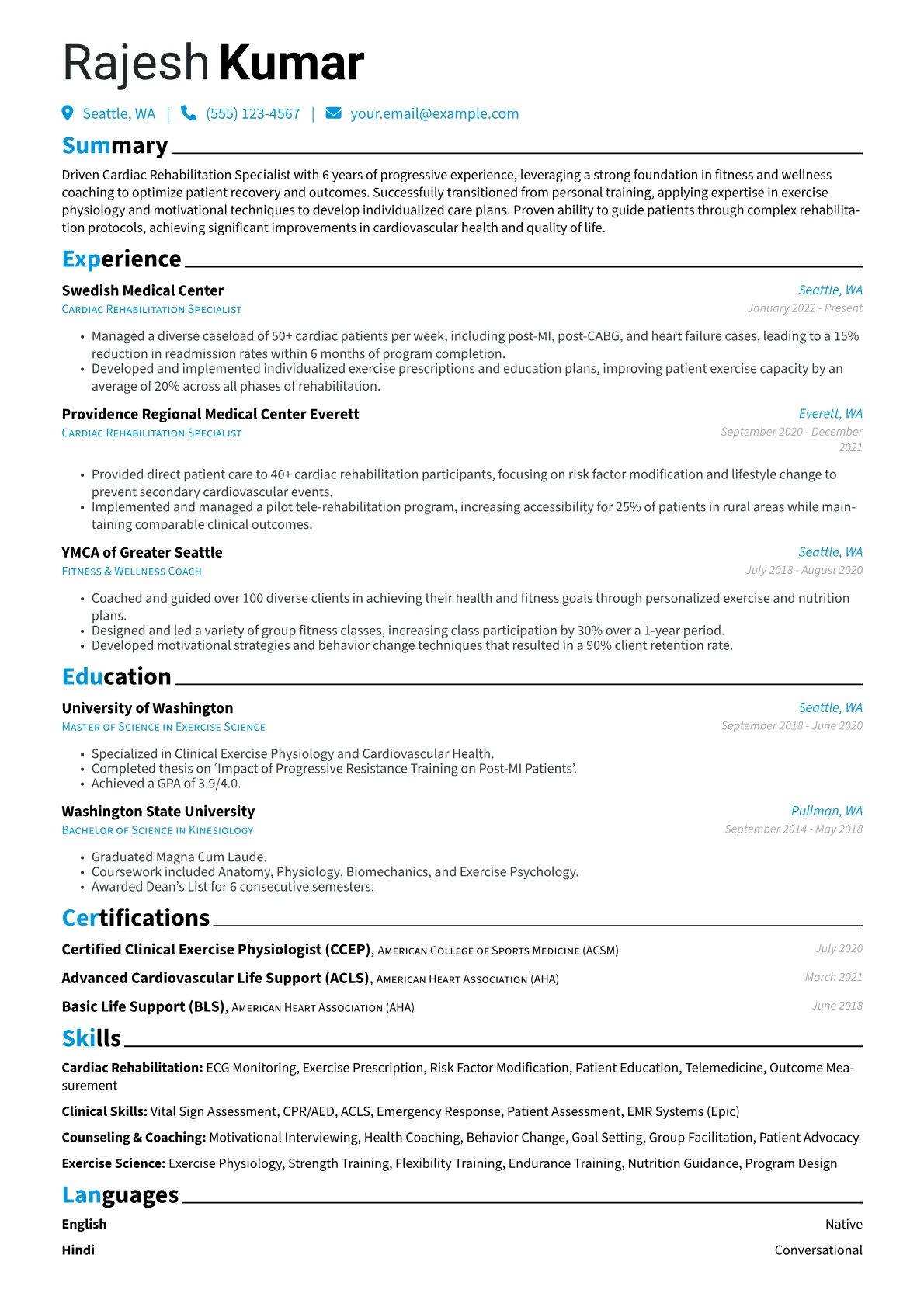
A strong Cardiac Rehabilitation Specialist resume showcases expertise in evidence-based patient education, exercise physiology, and risk factor modification crucial for post-cardiac event recovery. Hiring managers seek concrete achievements like improved patient adherence to prescribed exercise regimens or demonstrable increases in functional capacity, often quantified by METs. Essential certifications such as ACLS and ACSM Certified Clinical Exercise Physiologist (ACSM-CEP) are expected, alongside experience in ECG interpretation and managing diverse cardiac conditions like post-MI or heart failure, all while adhering to ACC/AHA guidelines.
This example CV effectively highlights a mid-level specialist's capabilities. Achievements are clearly quantified, for instance, detailing percentages of reduced readmissions or improvements in patient outcome metrics. Clinical skills, such as telemetry monitoring and stress testing, are distinctly grouped from patient counseling abilities, like nutrition and medication management education. Prominent placement of critical certifications and proficiency with relevant EMR systems like Epic further demonstrates industry-specific competency, directly addressing what cardiac rehabilitation programs require.
This template was built with JobSprout and can be remixed to create your own tailored Cardiac Rehabilitation Specialist resume, ensuring your unique skills and achievements are powerfully presented.
How useful was this template?
Example by JobSproutCardiac Rehabilitation Specialist resume summary example
Highly dedicated and results-driven Cardiac Rehabilitation Specialist with 6 years of progressive experience in designing and implementing comprehensive exercise and education programs for cardiovascular patients. Adept at leveraging evidence-based practices to improve patient functional capacity, reduce risk factors, and enhance overall quality of life. Proven ability to collaborate effectively with multidisciplinary teams, provide motivational coaching, and ensure patient adherence to treatment plans.
Cardiac Rehabilitation Specialist salary by country
| Country | 25th percentile | Median | 75th percentile |
|---|---|---|---|
| US | $82,161 | $105,101 | $125,217 |
| UK | £28,815 | £39,517 | £52,095 |
| Canada | C$53,840 | C$73,965 | C$106,286 |
| Australia | A$82,809 | A$96,815 | A$124,777 |
| Germany | €48,000 | €56,667 | €71,667 |
| France | €65,714 | €72,245 | €77,858 |
| Netherlands | €33,286 | €36,857 | €47,500 |
| Austria | €44,167 | €48,333 | €57,500 |
| New Zealand | NZ$82,386 | NZ$105,682 | NZ$139,583 |
| India | ₹341,102 | ₹682,203 | ₹1,125,000 |
Annual salaries in local currency, aggregated from live job postings via Adzuna. Figures refresh continuously and reflect advertised pay, not negotiated offers.
Cardiac Rehabilitation Specialist resume skills and keywords
Recruiters and applicant tracking systems scan Cardiac Rehabilitation Specialist resumes for these skills and keywords. Include the ones that match your experience and mirror the wording in the job description. Check your resume against them with the free ATS checker.
Hard skills
Tools & software
Certifications
Soft skills
Market Insights
Cardiac Rehabilitation Specialist
Salary Range
Salary Trend
Mar 2025 – Feb 2026
12-Month Trend
Based on advertised Healthcare (Clinical) roles.
US market data · Source: Adzuna · Updated Mar 2026
Frequently Asked Questions
What's the best resume structure for a mid-level Rehabilitation Specialist?
Which skills and qualifications should a Rehabilitation Specialist highlight?
How can I write strong achievement bullets or a professional summary for this role?
Are there any optional sections that truly matter for a Rehabilitation Specialist resume?
How can I tailor my resume template for a specific Rehabilitation Specialist job posting?
The blank page is the hard part. Skip it.
Free to use. No download fee.
![How to Write a CV for Healthcare Applications [2026 Guide]](/thumbnails/cv-for-healthcare-applications.webp)