Templates

Criminology Student Resume Example

GovernmentStudent / InternCriminologyCriminal JusticeResearch

Criminology Student resume samples

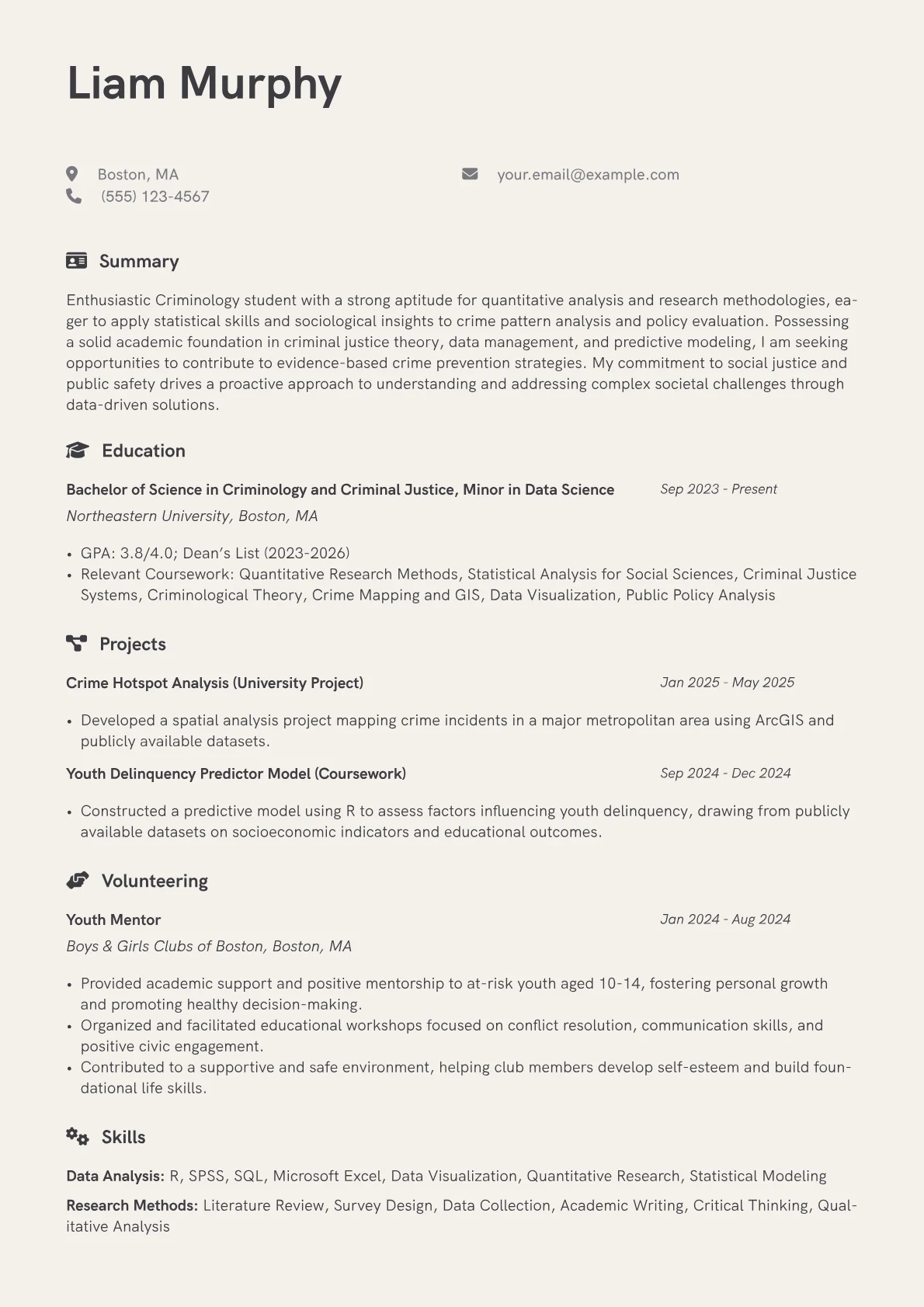
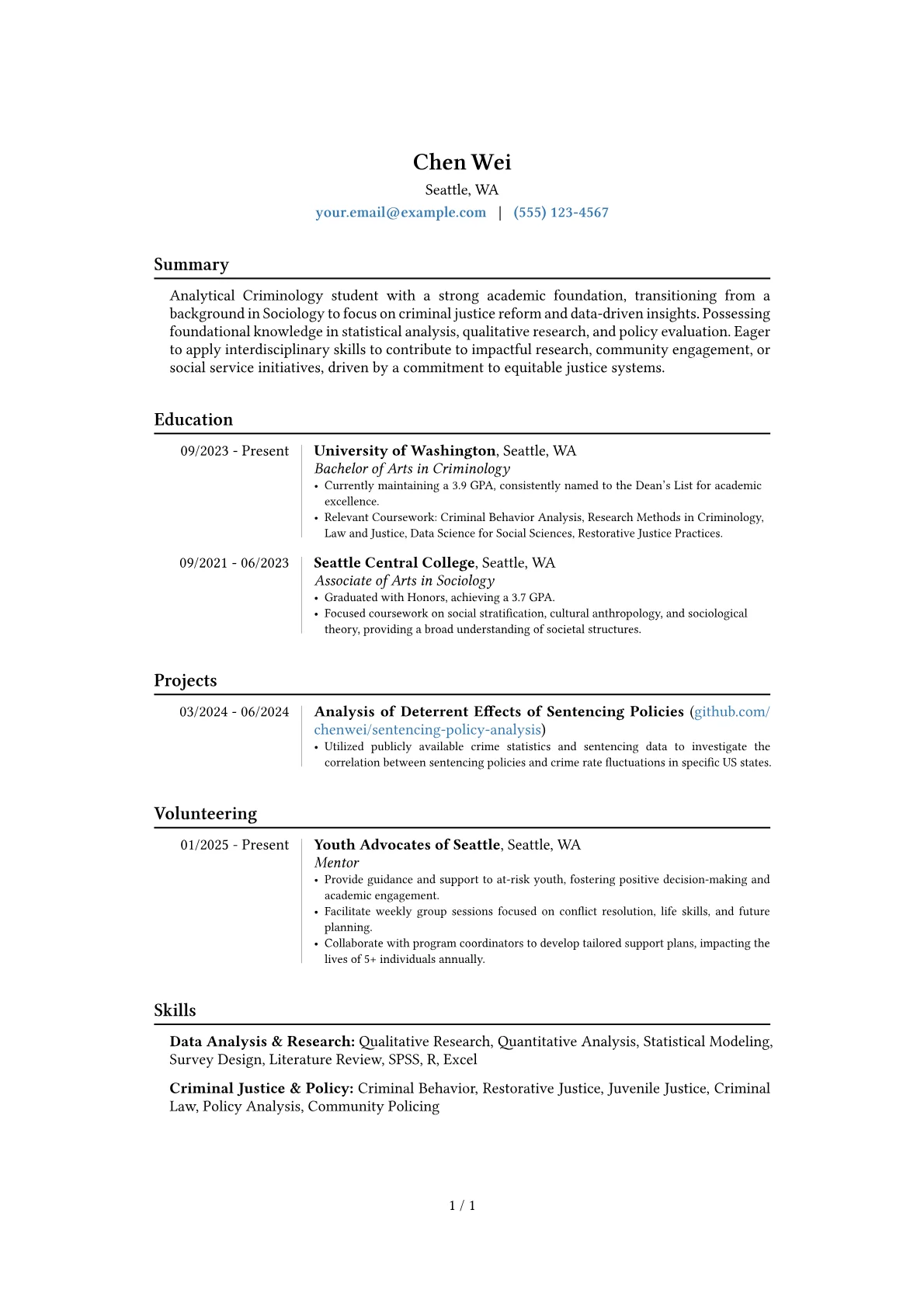
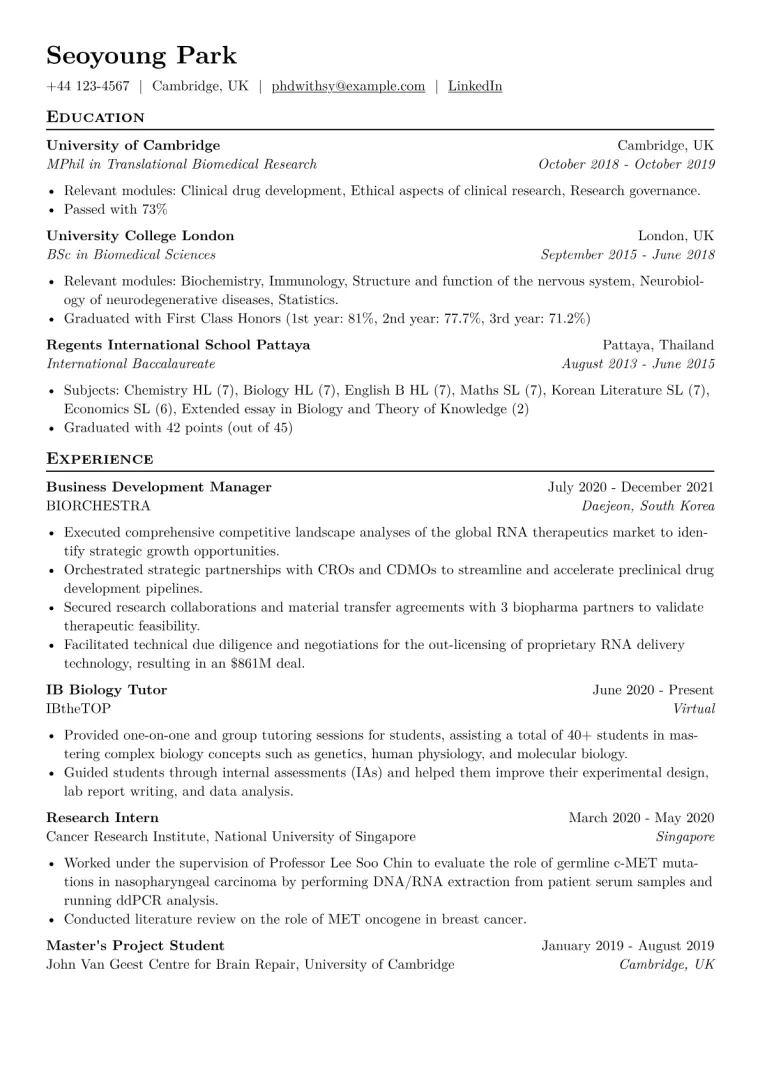
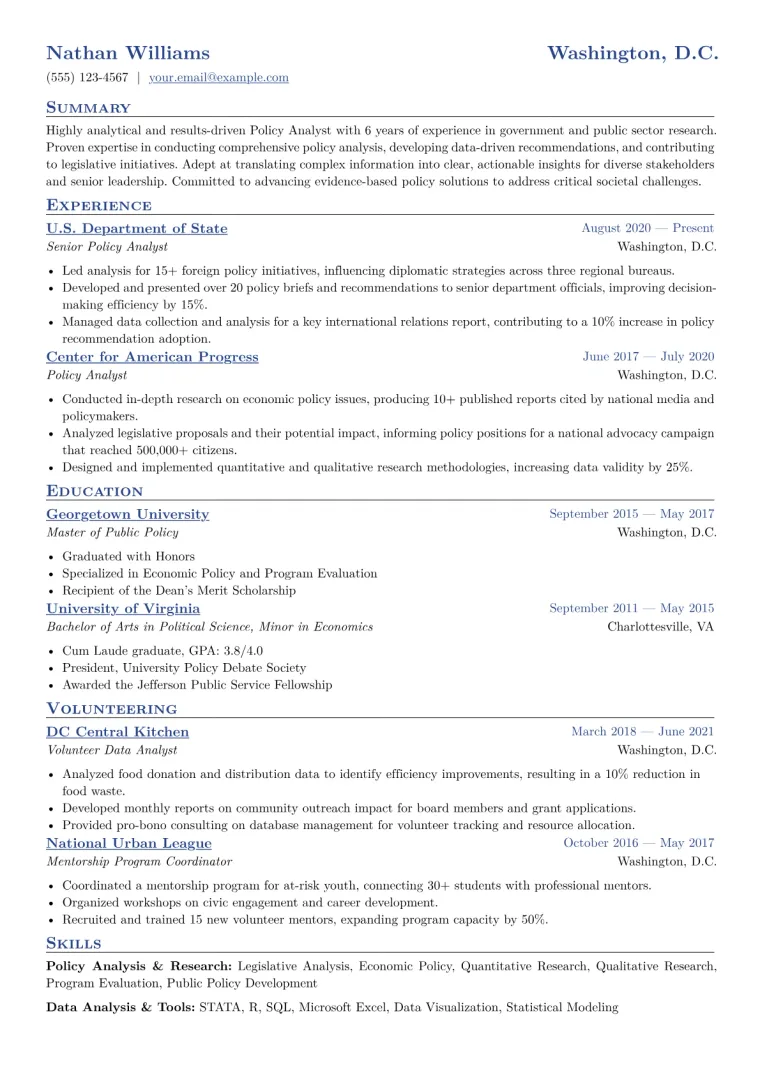
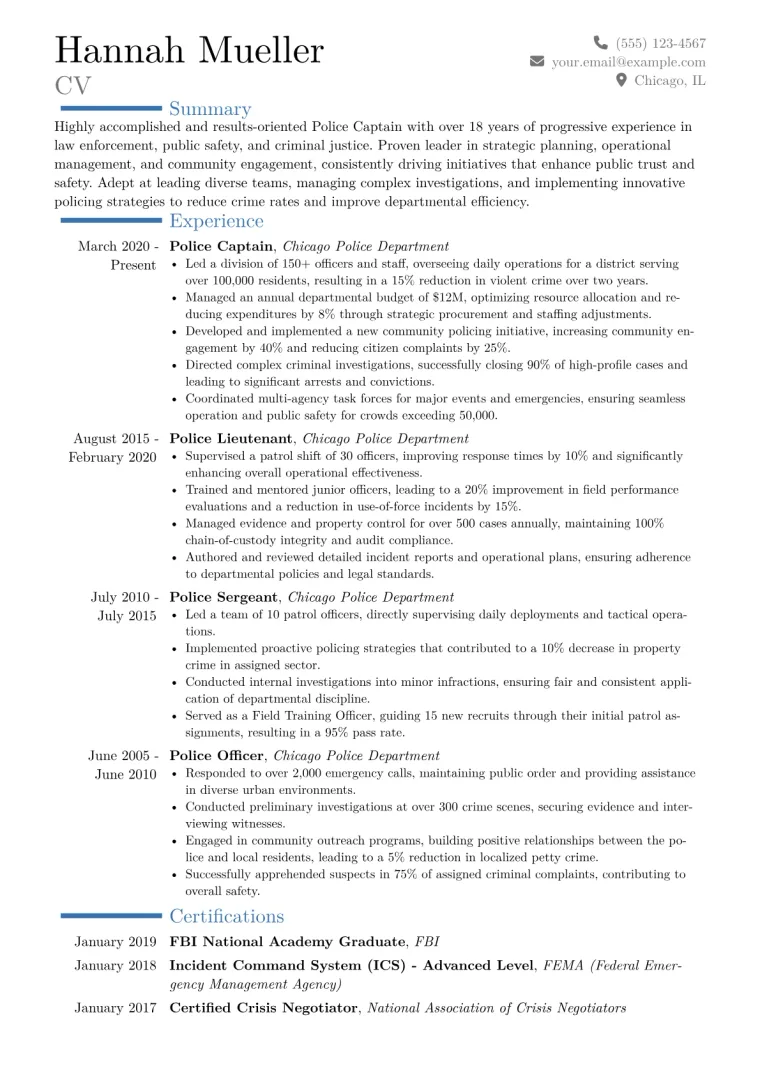
Three complete resumes, each in a different design.
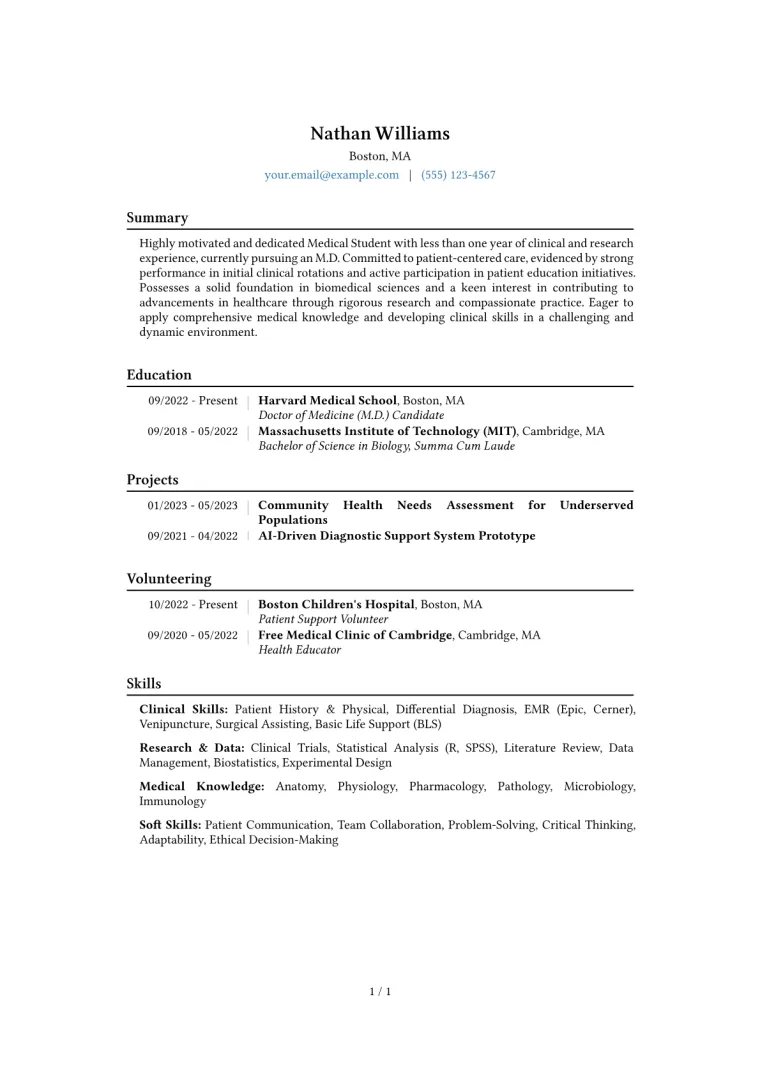
CV template - Page 1
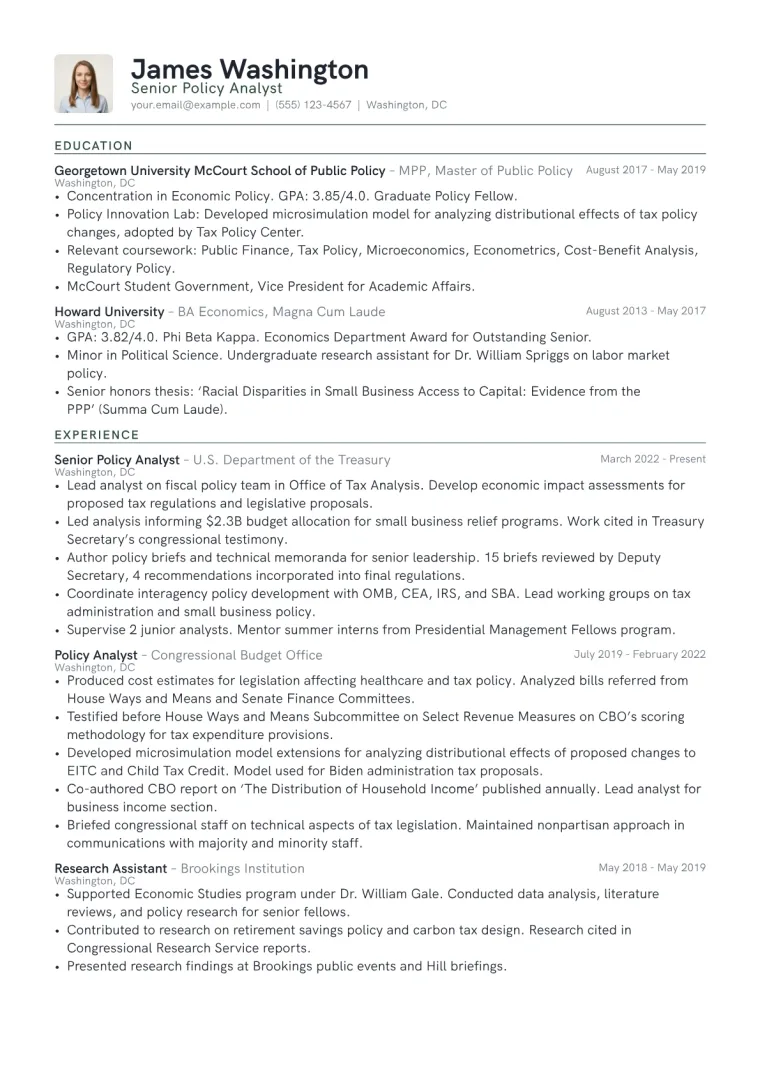
Criminology Student version - Page 1
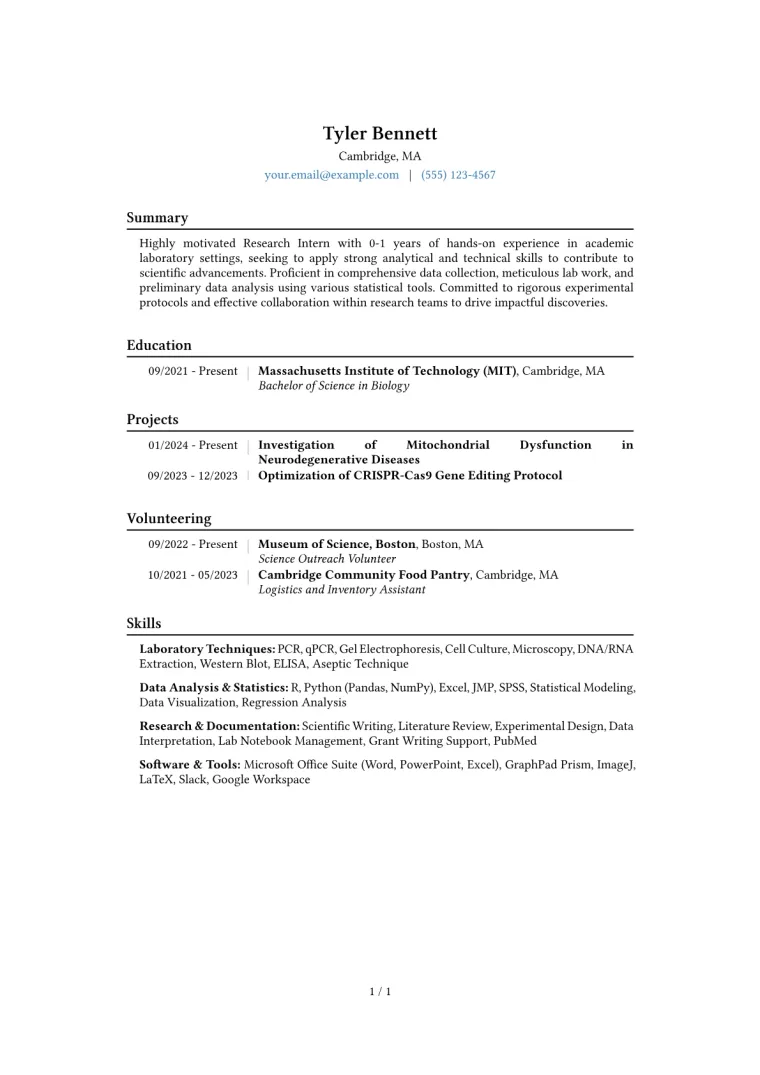
Career changer version - Page 1

Editorial Notes

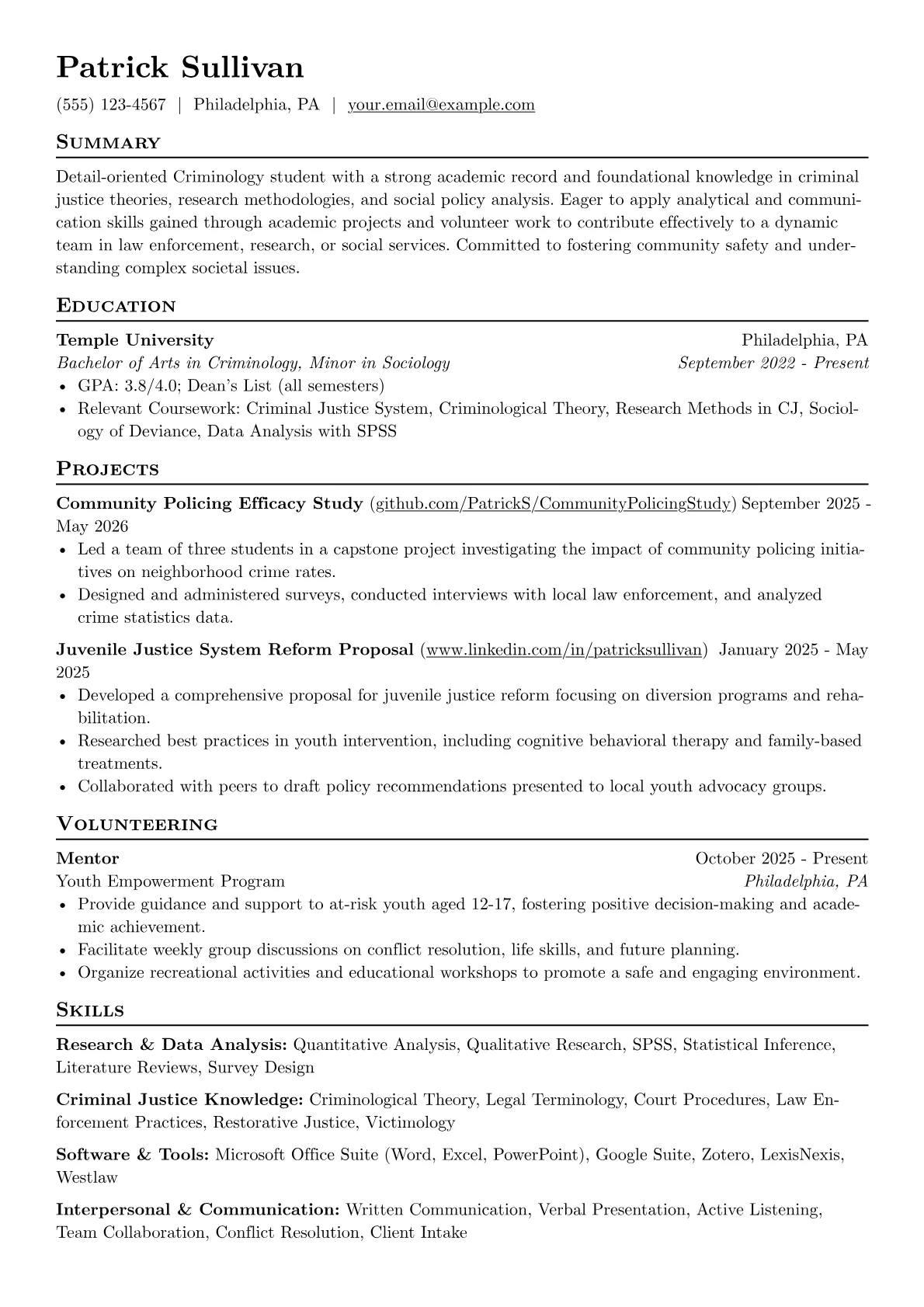
For criminology students targeting government roles in law enforcement, research, or social services, hiring managers prioritize resumes demonstrating practical application of academic knowledge. They seek experience in data collection, analysis, and the ability to summarize complex information, often relevant to public policy or justice system efficiency. Key achievements include contributions to studies on crime trends or policy reform, and familiarity with legal and research tools. Terminology like "Criminological Theory," "Court Procedures," and "Restorative Justice" signals foundational expertise, while comfort with tools such as SPSS, LexisNexis, or Westlaw is highly valued.

This example resume effectively showcases relevant experience for a criminology student. The "Research Intern" position at the Philadelphia District Attorney's Office directly aligns with government sector interests, with bullet points like "Assisted in data collection and analysis for reports on local crime trends" and "Prepared concise summaries of court cases" highlighting pertinent skills. The "Projects" section, including a "Community Policing Efficacy Study" and "Juvenile Justice System Reform Proposal," further demonstrates hands-on engagement. The "Skills" section is robust, featuring specific tools like "SPSS," "LexisNexis," and "Westlaw," alongside critical "Interpersonal & Communication" abilities such as "Written Communication" and "Team Collaboration."

This template was built with JobSprout and can be remixed to create your own tailored Criminology Student resume.

How useful was this template?

JobSprout logoExample by JobSprout
0 views
0 remixes
Powered byGPT-5.6

Criminology Student resume summary example

Detail-oriented Criminology student with a strong academic record and foundational knowledge in criminal justice theories, research methodologies, and social policy analysis. Eager to apply analytical and communication skills gained through academic projects and volunteer work to contribute effectively to a dynamic team in law enforcement, research, or social services. Committed to fostering community safety and understanding complex societal issues.

Criminology Student resume skills and keywords

Recruiters and applicant tracking systems scan Criminology Student resumes for these skills and keywords. Include the ones that match your experience and mirror the wording in the job description. Check your resume against them with the free ATS checker.

Hard skills

Criminal Justice SystemCriminological TheoryResearch MethodologyQuantitative AnalysisQualitative AnalysisData CollectionStatistical AnalysisCrime Prevention StrategiesVictimologyCriminal Behavior AnalysisPolicy AnalysisLaw Enforcement ProceduresLegal ResearchCorrectional Practices

Tools & software

SPSSMicrosoft ExcelMicrosoft WordMicrosoft PowerPointQualtricsLexisNexisNVivo

Certifications

First Aid CertificationCPR CertificationHIPAA ComplianceCITI Program Certification

Soft skills

Critical ThinkingProblem SolvingEthical JudgmentWritten CommunicationAttention to DetailConfidentiality

Frequently Asked Questions

What's the best resume structure for a criminology student looking for government jobs?
For a criminology student aiming for government roles, a concise one-page resume with a strong 'Education' section, followed by 'Relevant Coursework,' 'Skills,' and any 'Internships' or 'Volunteer Experience' is ideal. Use a clean, professional format. Highlight academic achievements, research projects, and any experiences demonstrating analytical thinking, data interpretation, or ethical reasoning. A clear summary or objective tailored to public service can also be beneficial.
Which skills from my criminology studies should I emphasize for government roles?
Emphasize analytical skills, research methods, statistical analysis, critical thinking, and data interpretation, which are fundamental to criminology. Highlight your ability to understand complex social issues, legal frameworks, and policy analysis. Also include strong written and verbal communication, ethical reasoning, and any experience with specific research software. These skills are highly valued in various government agencies, from research to policy development.
How do I write a good summary and impactful academic/project bullets as a criminology student?
Your summary should concisely state your degree, relevant skills, and passion for contributing to public safety or policy within government. For academic or project bullets, use action verbs and focus on the practical application of your studies. For example, 'Conducted qualitative research on community policing strategies, analyzing 50+ interviews to inform policy recommendations.' Highlight your methodology, findings, and the impact of your work. Connect your academic efforts to real-world outcomes.
Should I include a 'Research' or 'Volunteer Work' section on my criminology resume?
Yes, both 'Research' and 'Volunteer Work' sections are highly valuable for a criminology student. Research demonstrates your analytical capabilities and specialized knowledge, particularly if it relates to government priorities. Volunteer experience, especially with law enforcement, community outreach, or victim advocacy organizations, shows practical engagement and commitment to public service. These sections provide tangible evidence of your dedication and relevant experience beyond coursework.
Can JobSprout's 'Remix with AI' help me tailor my criminology resume for specific government positions?
Absolutely. JobSprout's 'Remix with AI' is excellent for tailoring your criminology resume to specific government job postings. You can paste the detailed job description, and the AI will help you identify key terms, required skills, and duties. It then suggests ways to incorporate these into your resume, ensuring your academic background, research, and volunteer experiences are aligned with what the government agency is seeking. This increases your chances of getting noticed and passing initial screening.