Intelligence Analyst Resume Example
 Example by JobSprout
Market Insights
Intelligence Analyst
Salary Range
US market data · Source: Adzuna · Updated Mar 2026
How useful was this template?
Intelligence Analyst resume samples
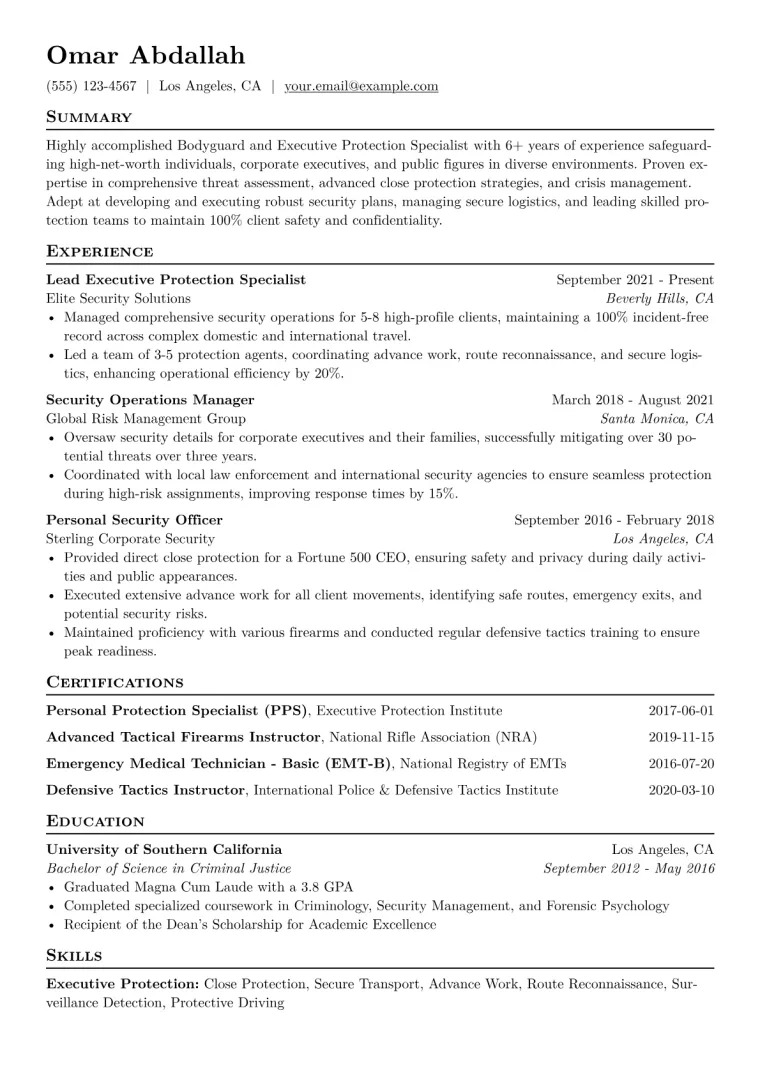
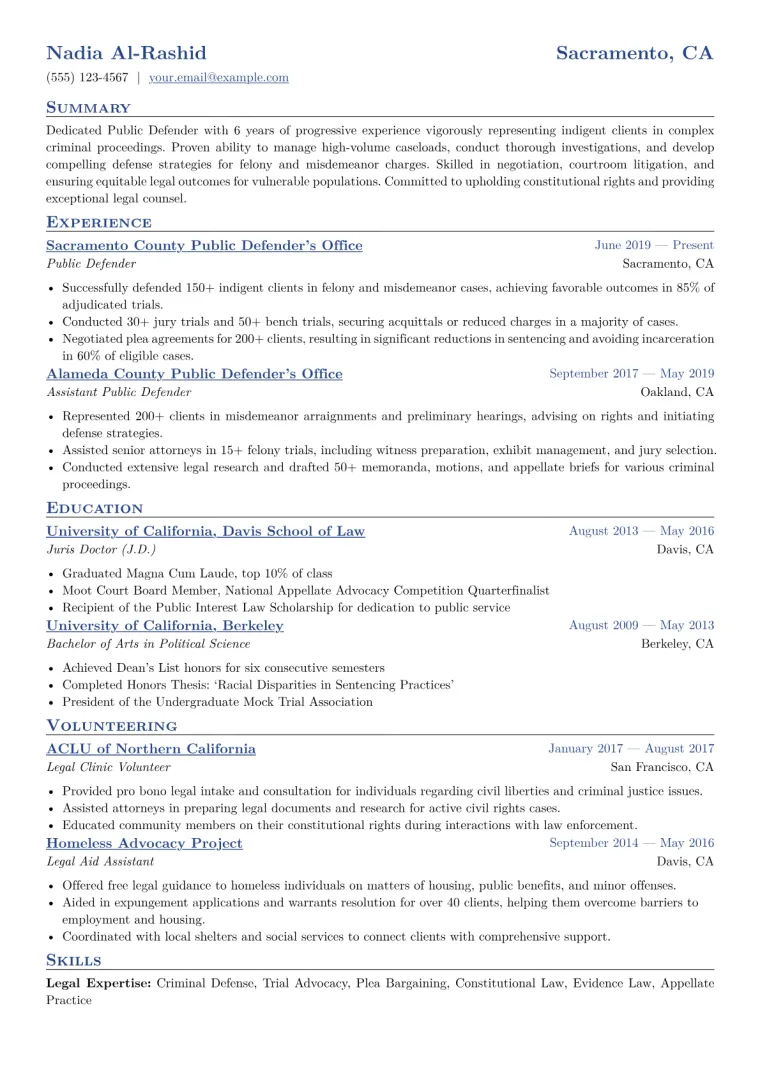
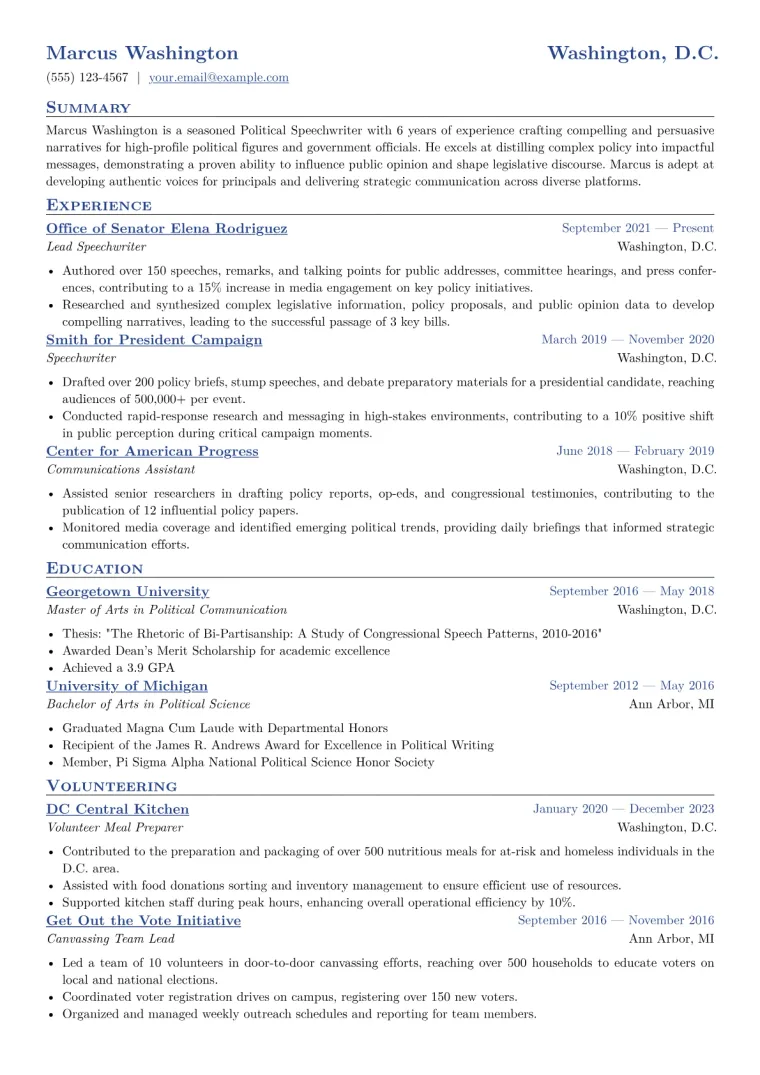
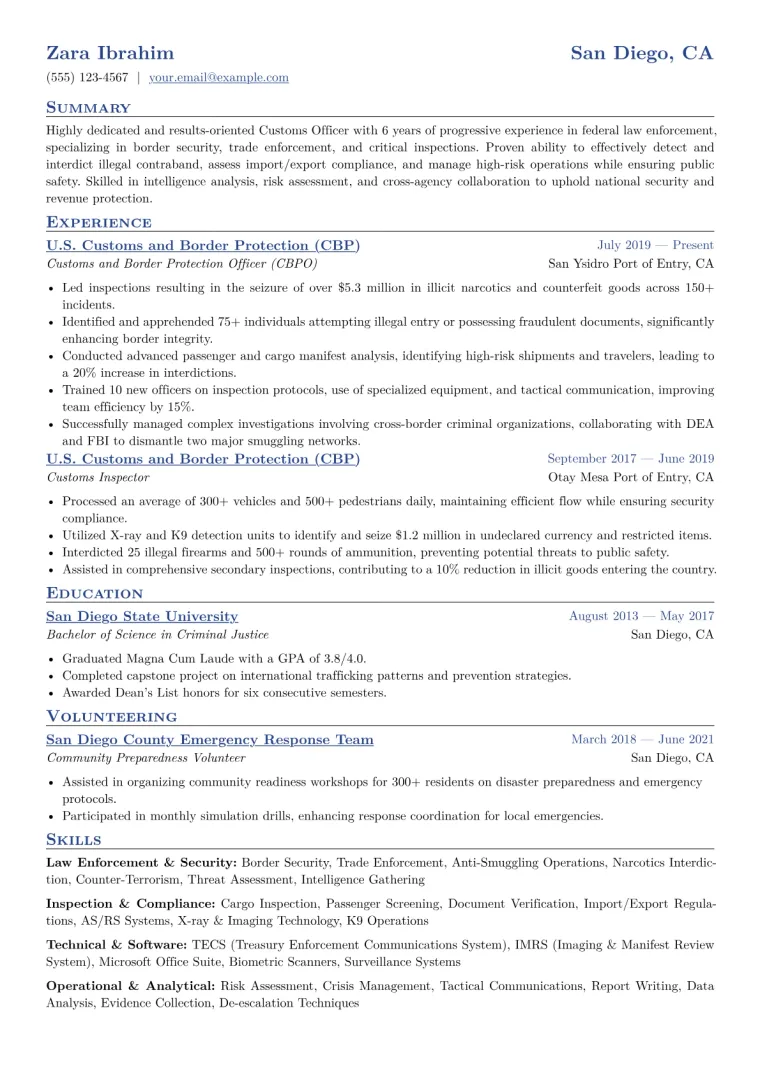
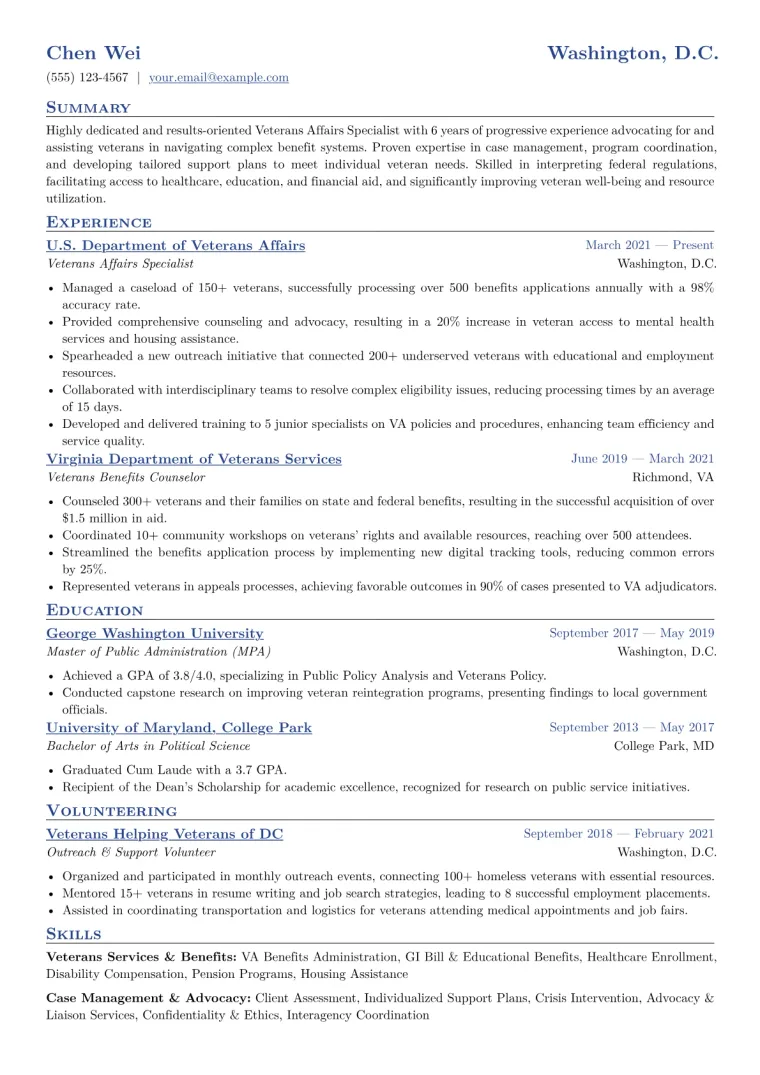
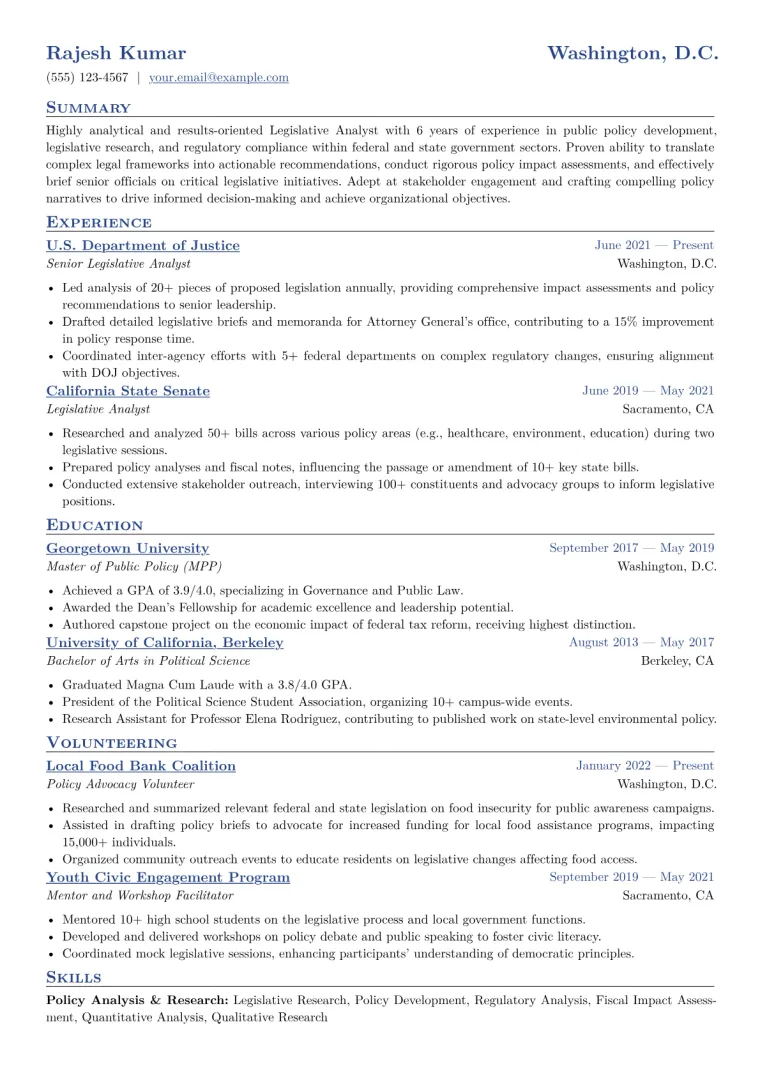
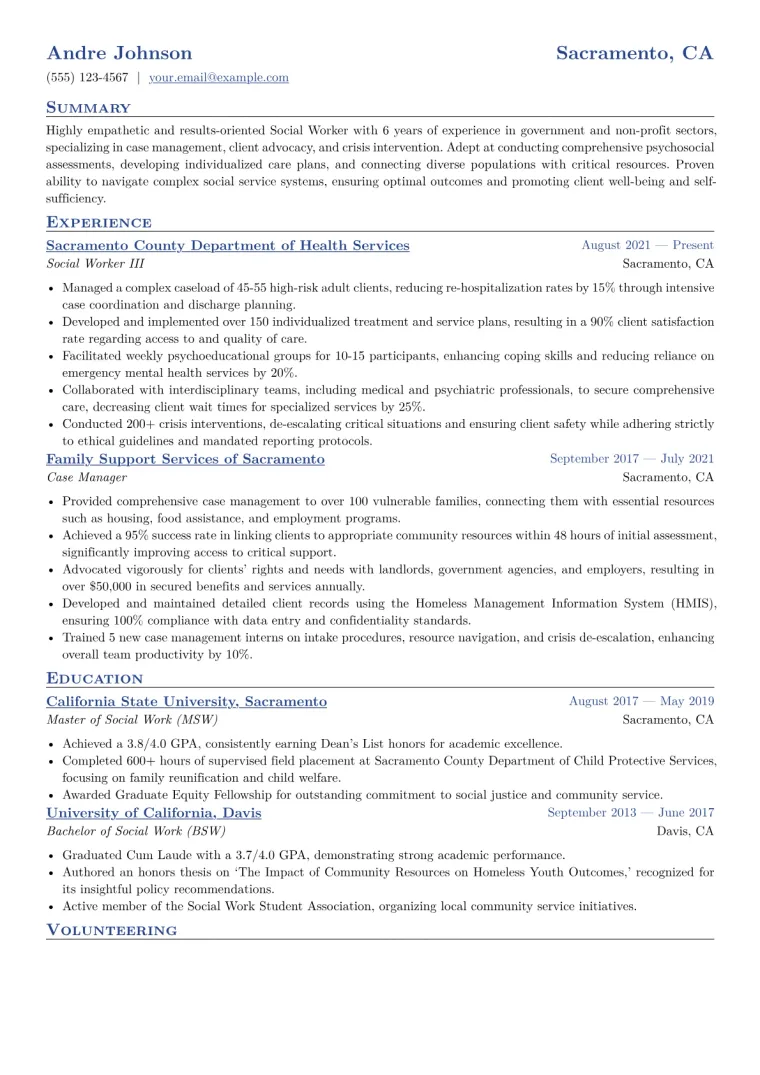
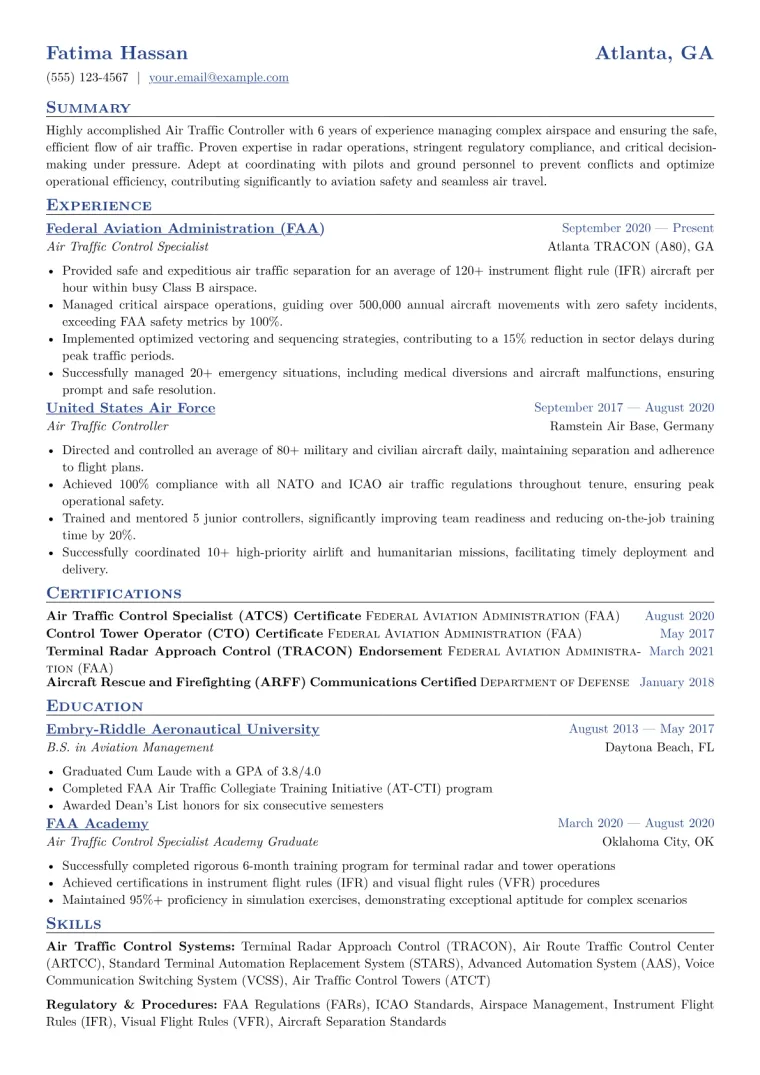
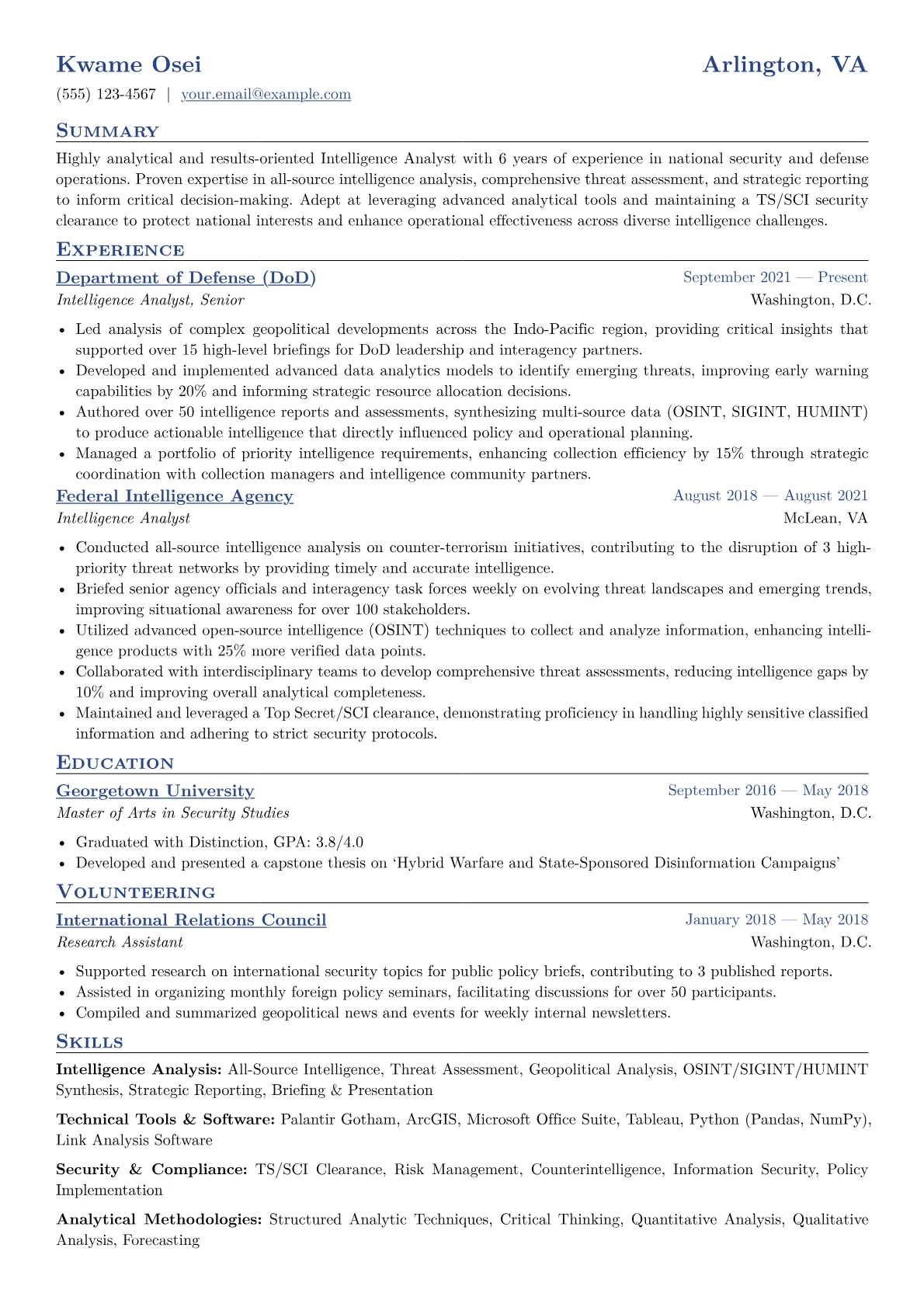
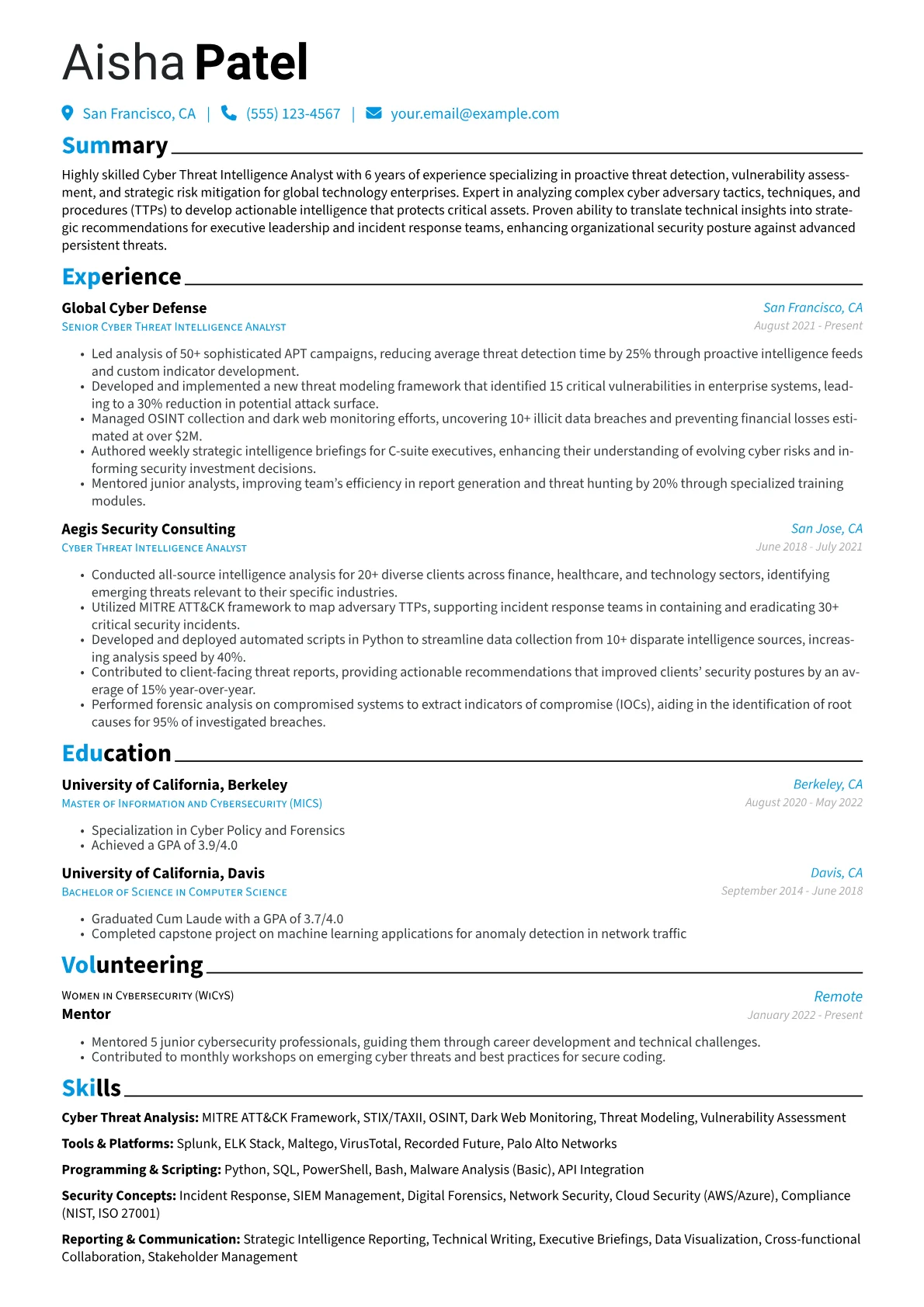
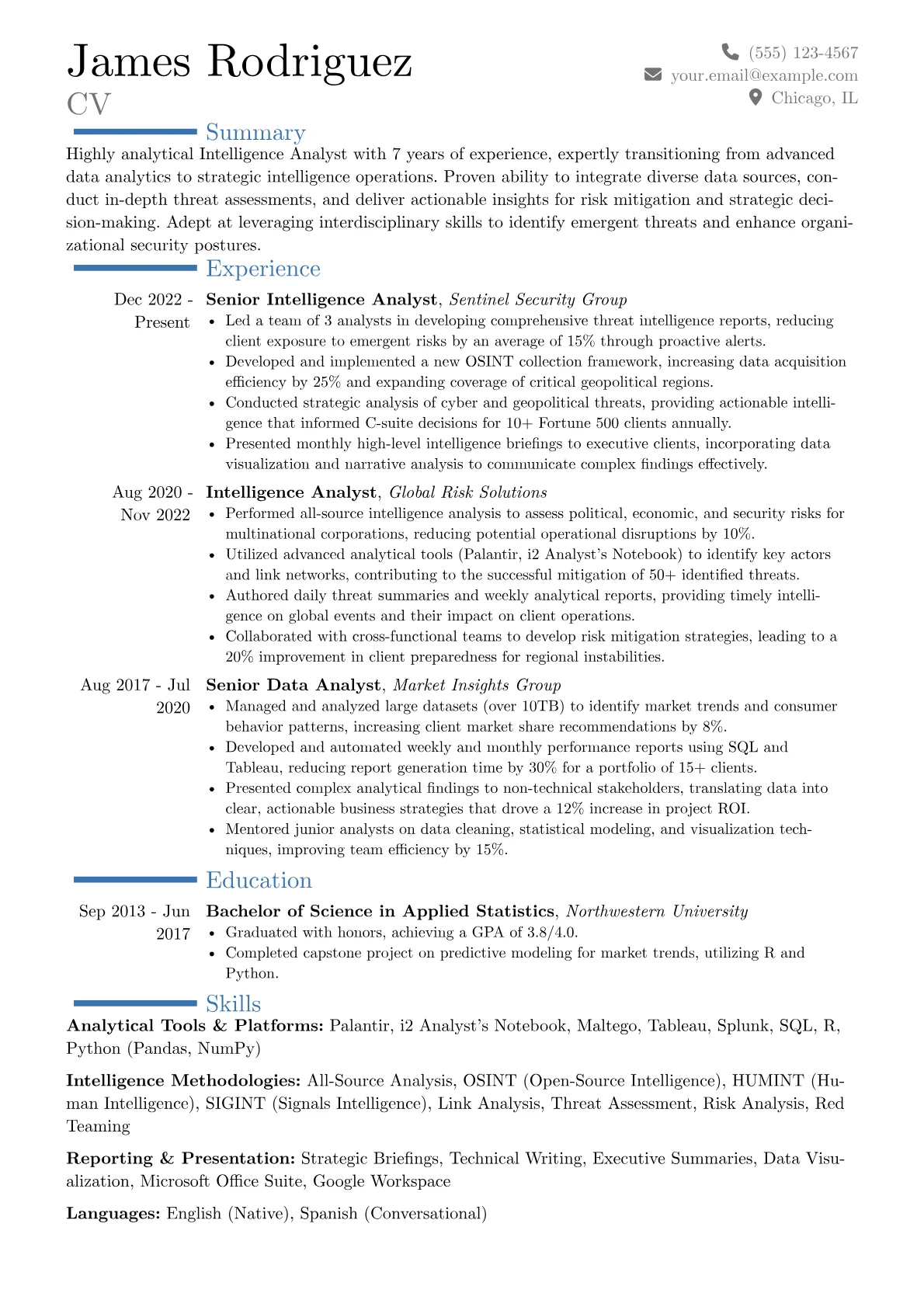
Three complete resumes, each in a different design.
Editorial Notes
Crafting an impactful Intelligence Analyst resume for government roles requires showcasing not just analytical prowess, but also an understanding of national security imperatives. Hiring managers in this sector prioritize clear demonstration of critical thinking, report writing, data synthesis, and often, security clearance status. The unique challenge lies in articulating significant achievements and problem-solving skills without disclosing sensitive information, while still conveying measurable impact.
This JobSprout example effectively navigates these demands by strategically grouping specialized skills like OSINT, threat assessment, and geospatial analysis. It excels through the use of quantified achievements, translating complex analytical tasks into tangible results, such as "authored 25+ intelligence reports improving decision-making for X agency leadership." The inclusion of relevant certifications and security clearance status immediately addresses key government requirements, making it stand out.
This thoughtfully designed template was built with JobSprout, offering a robust framework you can easily remix to highlight your own professional journey and secure your next government intelligence role.
How useful was this template?
Example by JobSprout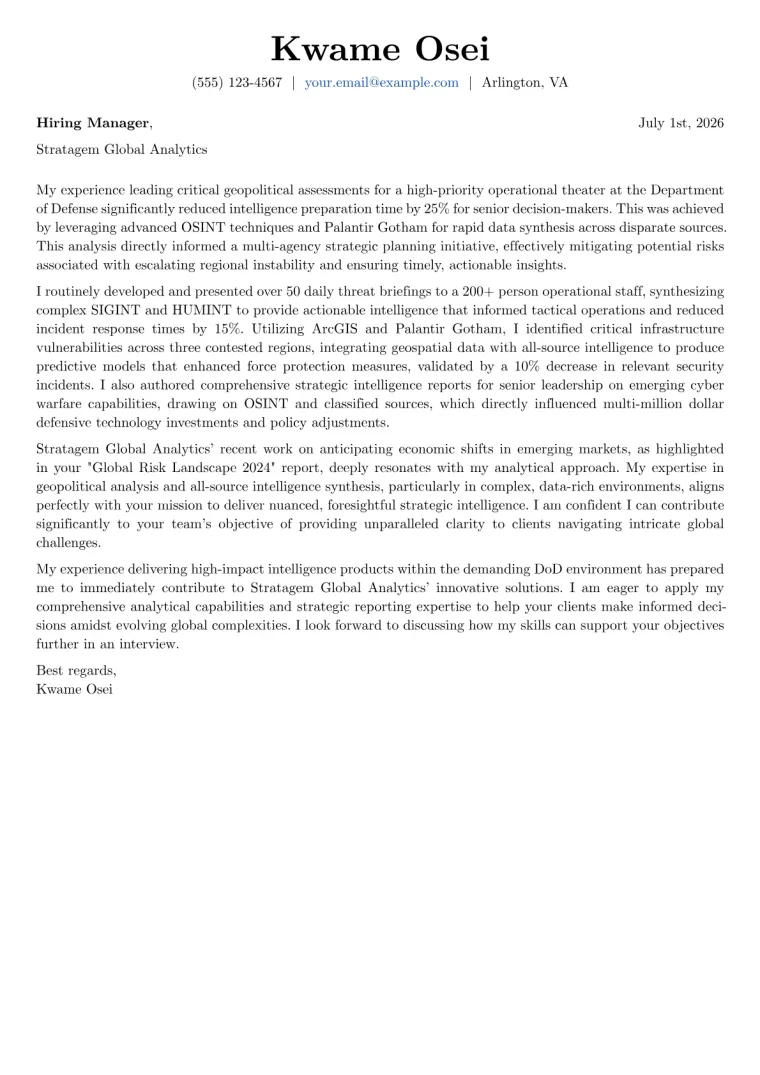
Intelligence Analyst Cover Letter Example
Written for the same person as this resume, ready to adapt.
Intelligence Analyst resume summary example
Highly analytical and results-oriented Intelligence Analyst with 6 years of experience in national security and defense operations. Proven expertise in all-source intelligence analysis, comprehensive threat assessment, and strategic reporting to inform critical decision-making. Adept at leveraging advanced analytical tools and maintaining a TS/SCI security clearance to protect national interests and enhance operational effectiveness across diverse intelligence challenges.
Intelligence Analyst salary by country
| Country | 25th percentile | Median | 75th percentile |
|---|---|---|---|
| US | $89,120 | $111,146 | $137,443 |
| UK | £35,972 | £50,227 | £61,625 |
| Canada | C$88,571 | C$105,714 | C$140,000 |
| Australia | A$81,573 | A$97,932 | A$124,030 |
| Germany | €40,000 | €50,000 | €60,000 |
| France | €40,833 | €48,333 | €54,375 |
| Netherlands | €40,158 | €49,152 | €62,025 |
| Italy | €17,965 | €23,981 | €29,327 |
| Austria | €34,500 | €56,250 | €71,293 |
| New Zealand | NZ$78,854 | NZ$101,126 | NZ$125,255 |
| India | ₹437,500 | ₹875,000 | ₹1,090,705 |
| Poland | zł215,110 | zł250,220 | zł285,330 |
Annual salaries in local currency, aggregated from live job postings via Adzuna. Figures refresh continuously and reflect advertised pay, not negotiated offers.
Intelligence Analyst resume skills and keywords
Recruiters and applicant tracking systems scan Intelligence Analyst resumes for these skills and keywords. Include the ones that match your experience and mirror the wording in the job description. Check your resume against them with the free ATS checker.
Hard skills
Tools & software
Certifications
Soft skills
Market Insights
Intelligence Analyst
Salary Range
US market data · Source: Adzuna · Updated Mar 2026
![How to Write a CV for Government Applications [2026 Guide]](/thumbnails/cv-for-government-applications.webp)