AR/VR Engineer Resume Example
 Example by JobSprout
Free to use. No download fee.
Market Insights
AR/VR Engineer
Salary Range
Salary Trend
Mar 2025 – Feb 2026
12-Month Trend
Based on advertised Software Engineering roles.
US market data · Source: Adzuna · Updated Mar 2026
How useful was this template?
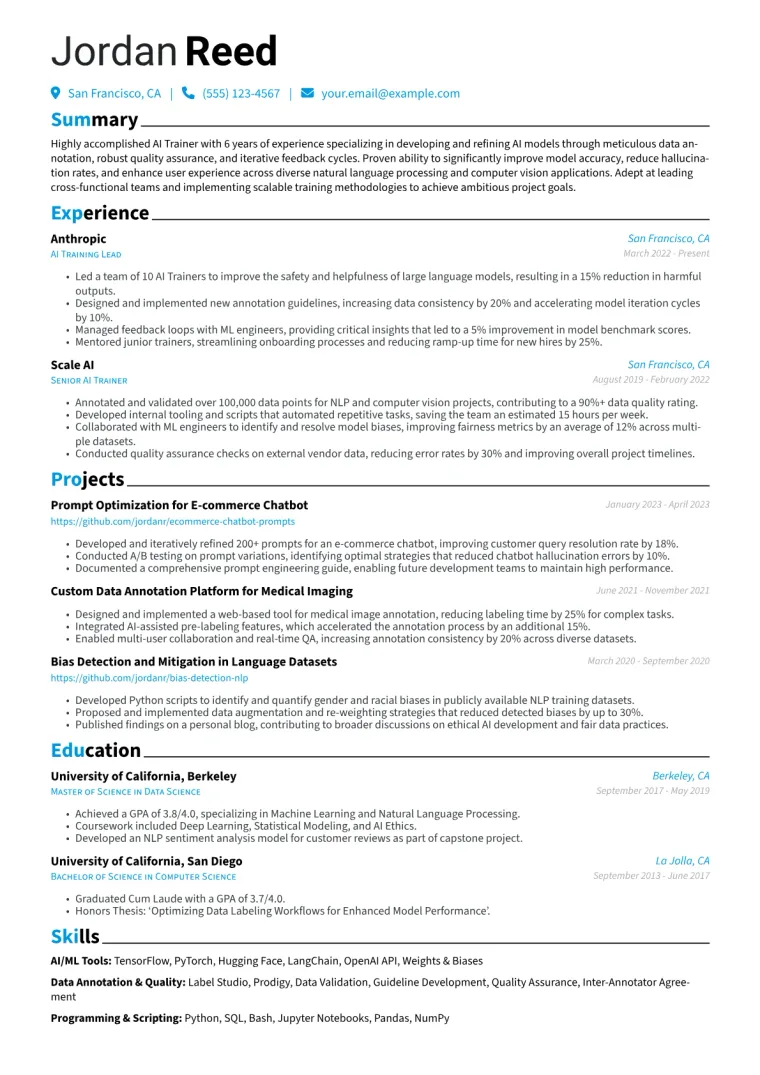
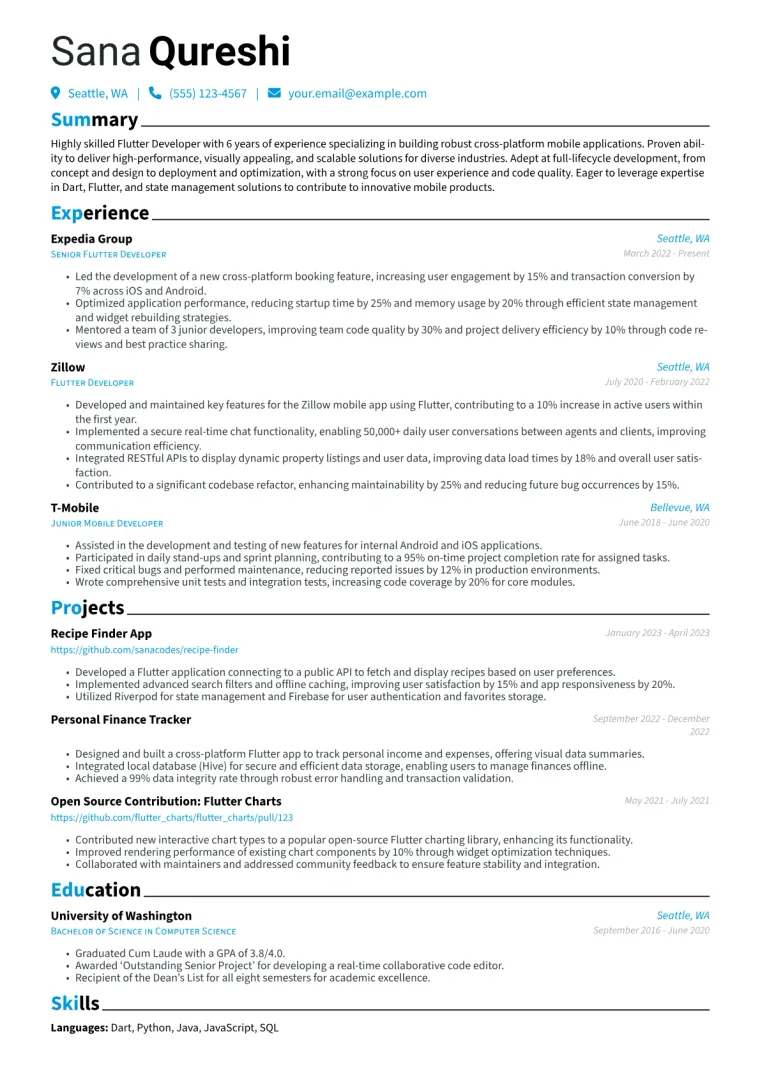
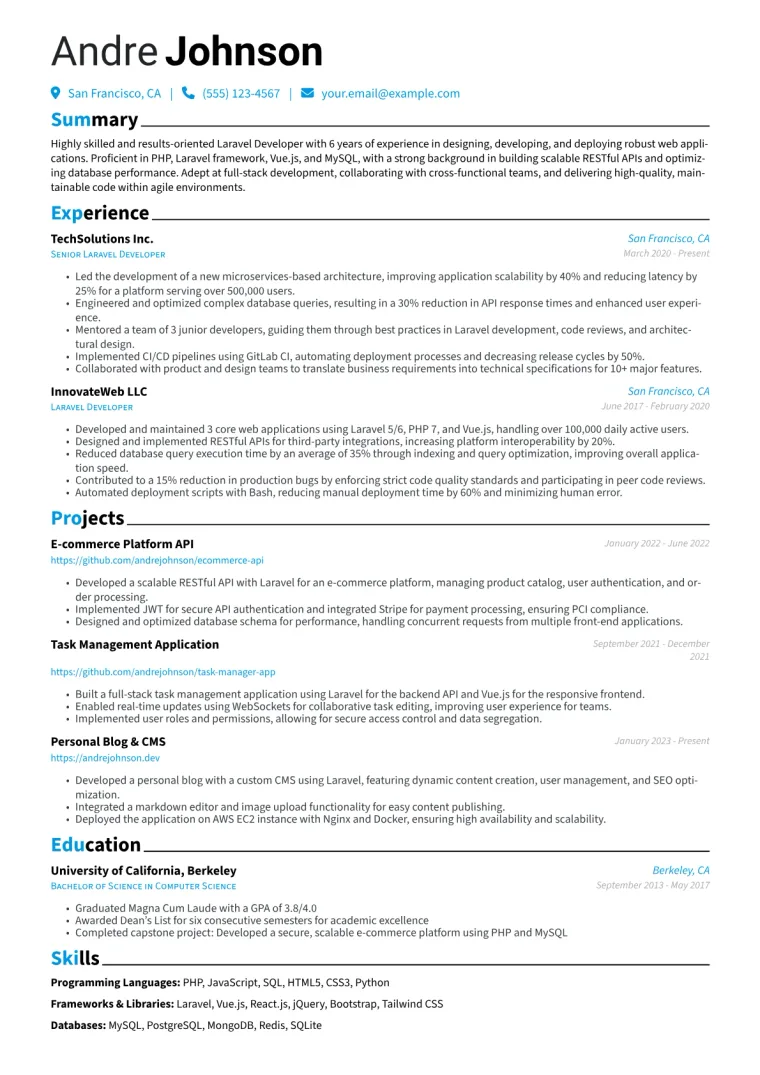
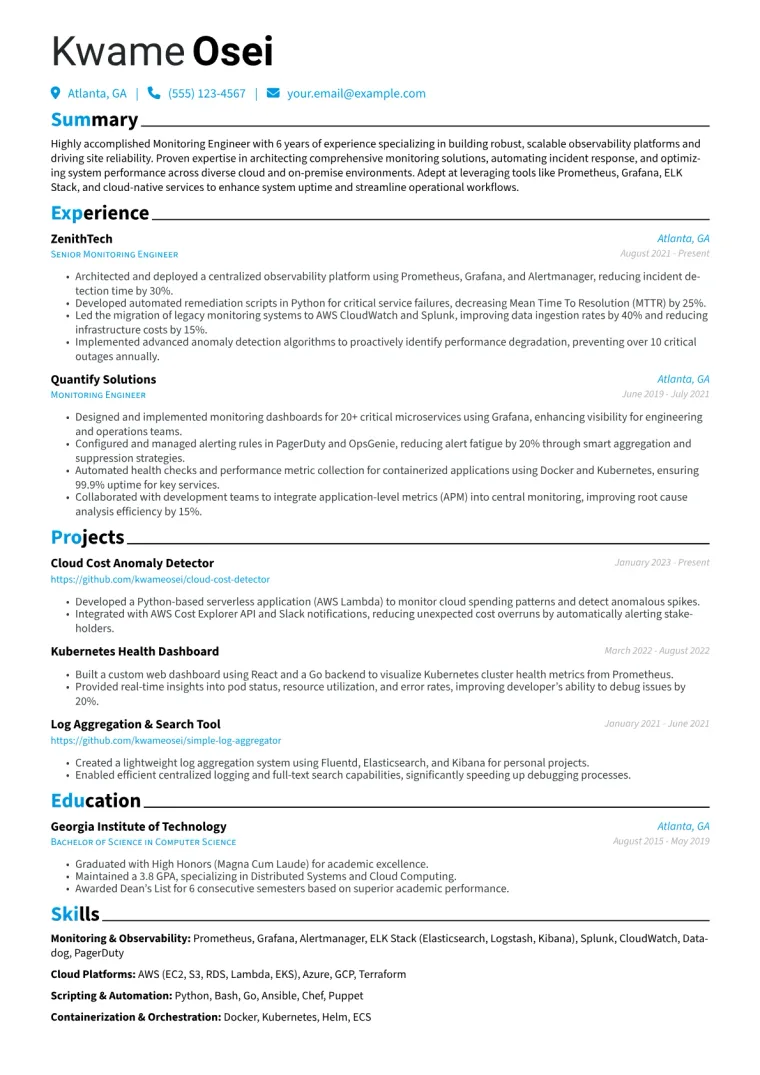
AR/VR Engineer resume samples
Three complete resumes, each in a different design.

Free to use. No download fee.
Editorial Notes
Hiring managers in technology seek project-driven achievements on an AR/VR Engineer resume, specifically looking for demonstrated expertise in real-time 3D graphics, spatial computing, and low-latency rendering. A strong candidate details contributions like optimizing rendering pipelines in Unity or Unreal Engine, developing interactive HoloLens or Quest experiences, and improving user engagement or system performance through concrete metrics. Understanding of spatial anchors, SLAM, reprojection, and shader development is paramount, often complemented by certifications such as Unity Certified Developer or specialized courses in computer graphics. Impactful contributions, rather than mere responsibilities, truly resonate with recruiters.
The JobSprout example effectively highlights these critical elements for an AR/VR Engineer. Its structured format groups technical proficiencies clearly, separating core AR/VR development tools like Unity and Unreal Engine from specific platforms such as HoloLens or Quest, and further from graphics tools or SDKs. Achievements are quantified, detailing tangible results like "reduced frame latency by 15ms" or "improved tracking accuracy by 20%." The resume also prominently features relevant certifications and actively used development kits like MRTK and ARFoundation, ensuring key qualifications are immediately visible.
This template was built with JobSprout and can be remixed to create your own tailored AR/VR Engineer resume, streamlining your application process.
How useful was this template?
Example by JobSprout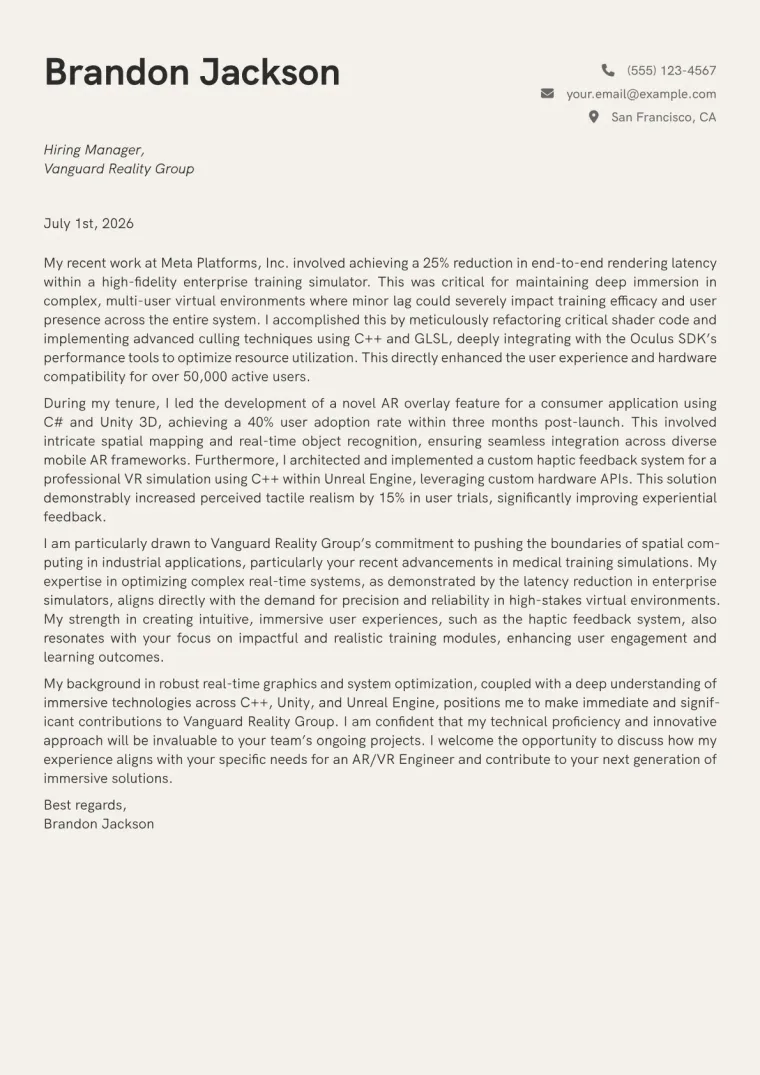
AR/VR Engineer Cover Letter Example
Written for the same person as this resume, ready to adapt.
AR/VR Engineer resume summary example
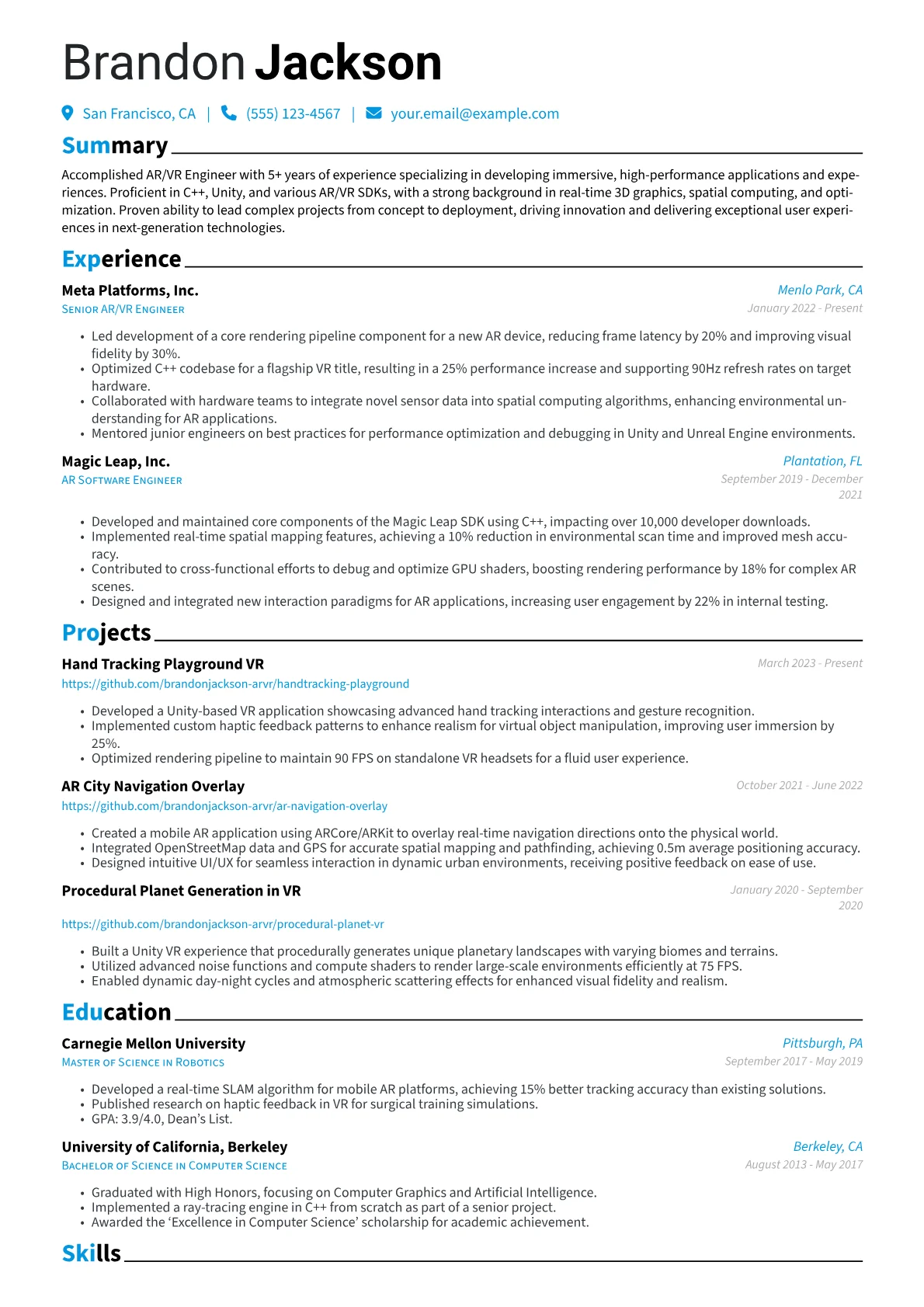
Accomplished AR/VR Engineer with 5+ years of experience specializing in developing immersive, high-performance applications and experiences. Proficient in C++, Unity, and various AR/VR SDKs, with a strong background in real-time 3D graphics, spatial computing, and optimization. Proven ability to lead complex projects from concept to deployment, driving innovation and delivering exceptional user experiences in next-generation technologies.
AR/VR Engineer salary by country
| Country | 25th percentile | Median | 75th percentile |
|---|---|---|---|
| US | $109,772 | $140,620 | $144,861 |
| UK | £46,059 | £60,012 | £72,658 |
| Canada | C$86,152 | C$113,871 | C$140,800 |
| Australia | A$101,935 | A$126,667 | A$147,857 |
| Germany | €59,500 | €70,570 | €77,887 |
| France | €37,875 | €44,167 | €49,750 |
| Netherlands | €55,000 | €66,667 | €74,250 |
| Italy | €25,000 | €31,250 | €38,750 |
| Austria | €46,250 | €58,750 | €67,500 |
| New Zealand | NZ$102,500 | NZ$120,000 | NZ$162,500 |
| India | ₹570,786 | ₹1,167,051 | ₹1,840,563 |
| Poland | zł186,440 | zł209,338 | zł232,236 |
Annual salaries in local currency, aggregated from live job postings via Adzuna. Figures refresh continuously and reflect advertised pay, not negotiated offers.
AR/VR Engineer resume skills and keywords
Recruiters and applicant tracking systems scan AR/VR Engineer resumes for these skills and keywords. Include the ones that match your experience and mirror the wording in the job description. Check your resume against them with the free ATS checker.
Hard skills
Tools & software
Certifications
Soft skills
Market Insights
AR/VR Engineer
Salary Range
Salary Trend
Mar 2025 – Feb 2026
12-Month Trend
Based on advertised Software Engineering roles.
US market data · Source: Adzuna · Updated Mar 2026
Frequently Asked Questions
What's the best resume structure for a mid-level AR/VR Engineer?
What key skills and qualifications should I highlight as an AR/VR Engineer?
How can I write strong achievement bullets or a professional summary for this role?
Which optional sections matter most for an AR/VR Engineer?
How do I tailor this resume for a specific AR/VR Engineer job posting?
The blank page is the hard part. Skip it.
Free to use. No download fee.
Related Articles
![How to Write a CV for Tech Applications [2026 Guide]](/thumbnails/cv-for-tech-applications.webp)
How to Write a CV for Tech Applications [2026 Guide]
Learn how to write a software engineering CV that gets interviews. Real template analysis, what hiring managers look for, and common mistakes to avoid.
![How to Write a CV That Shows Startup Experience [2026 Guide]](/thumbnails/cv-for-startup-engineers.webp)
How to Write a CV That Shows Startup Experience [2026 Guide]
Learn how to write a CV that showcases founding engineer and startup experience. Real example from JobSprout's creator, what hiring managers look for, and how to position breadth as a strength.