Crime Scene Investigator Resume Example
 Example by JobSprout
Market Insights
Crime Scene Investigator
Salary Range
US market data · Source: Adzuna · Updated Mar 2026
How useful was this template?
Crime Scene Investigator resume samples
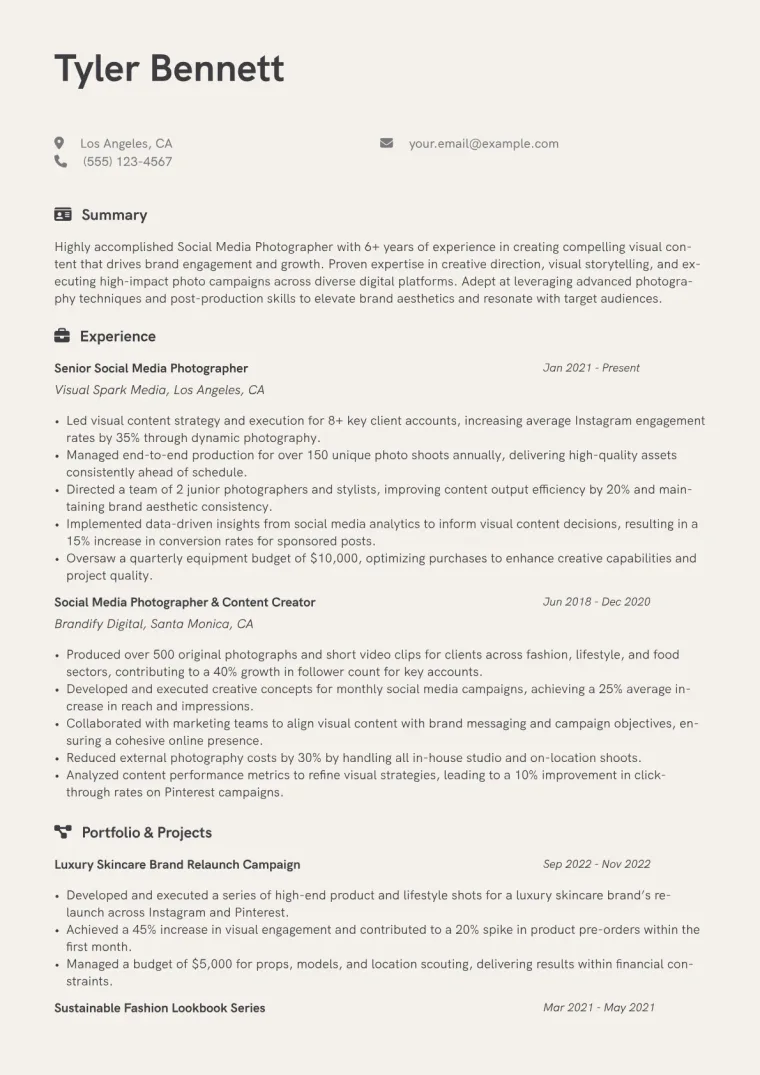
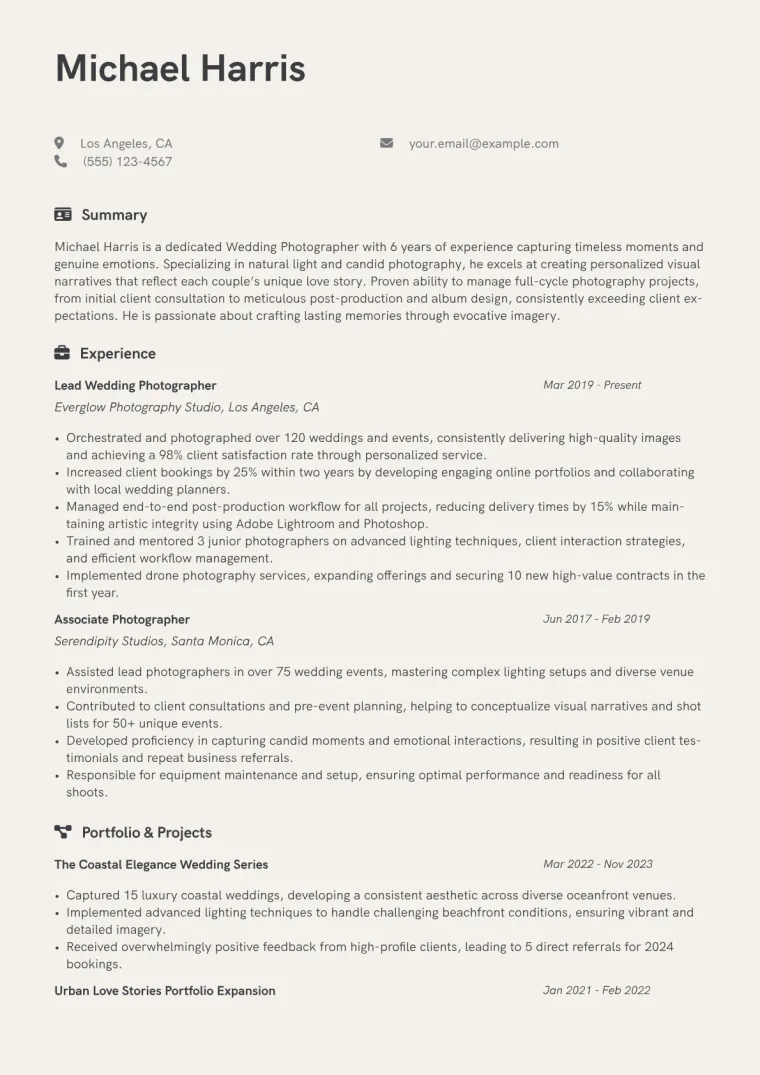
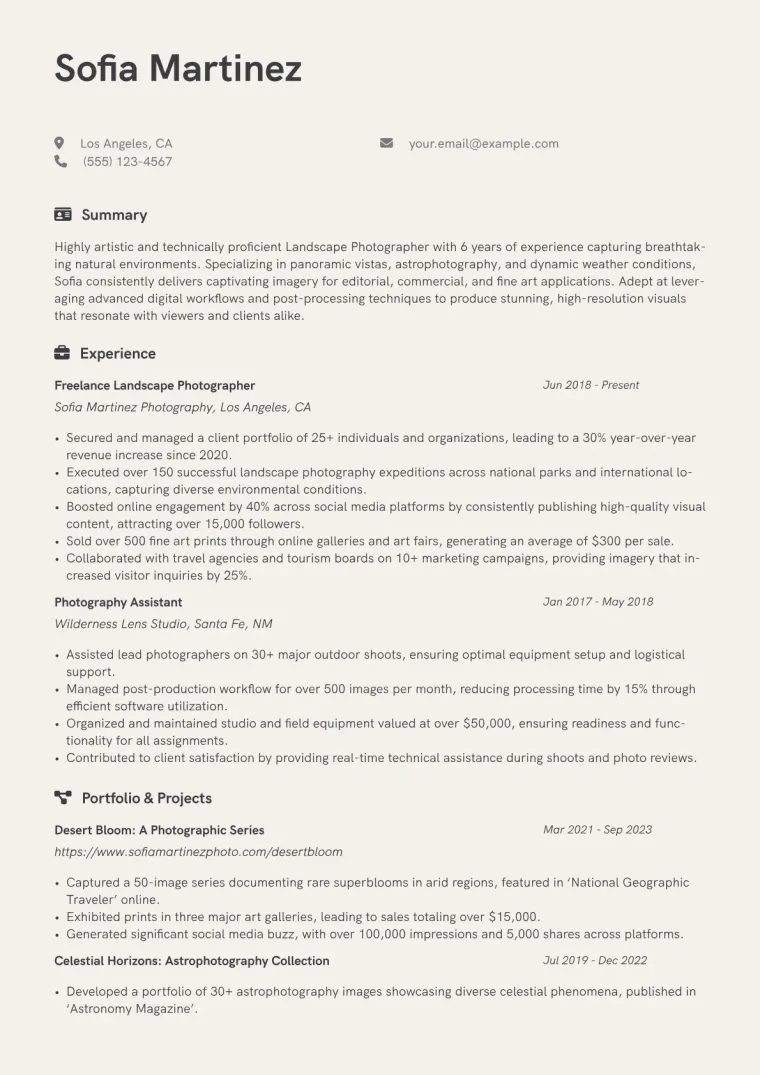
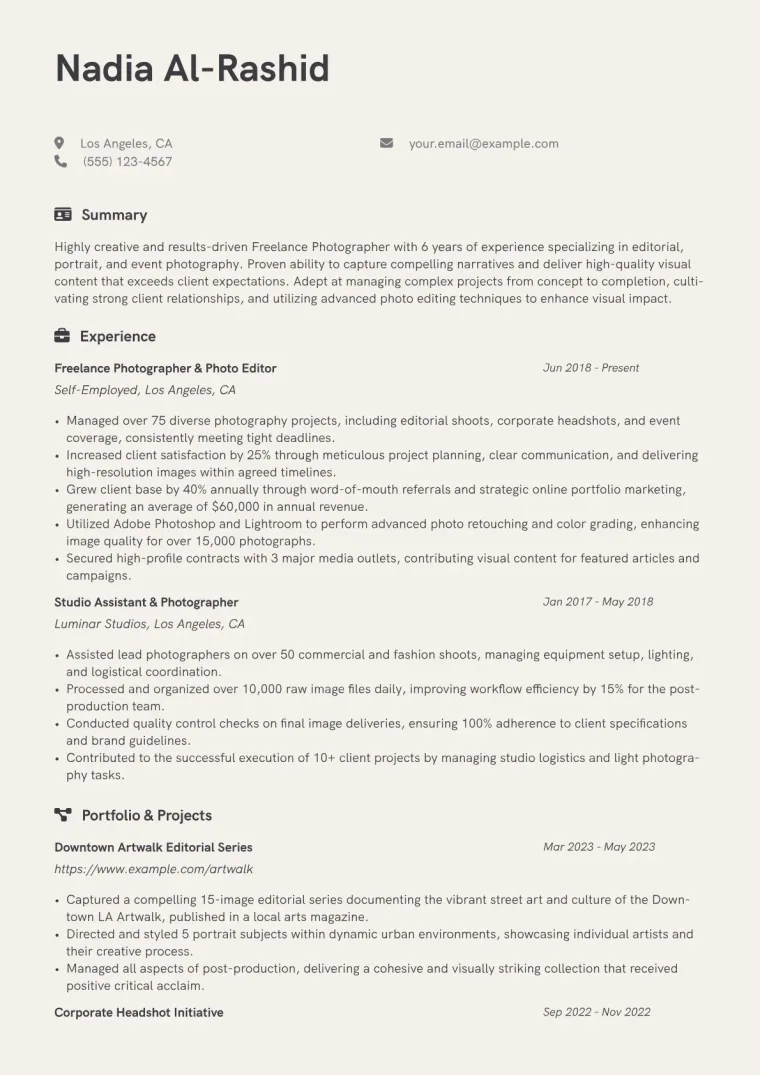
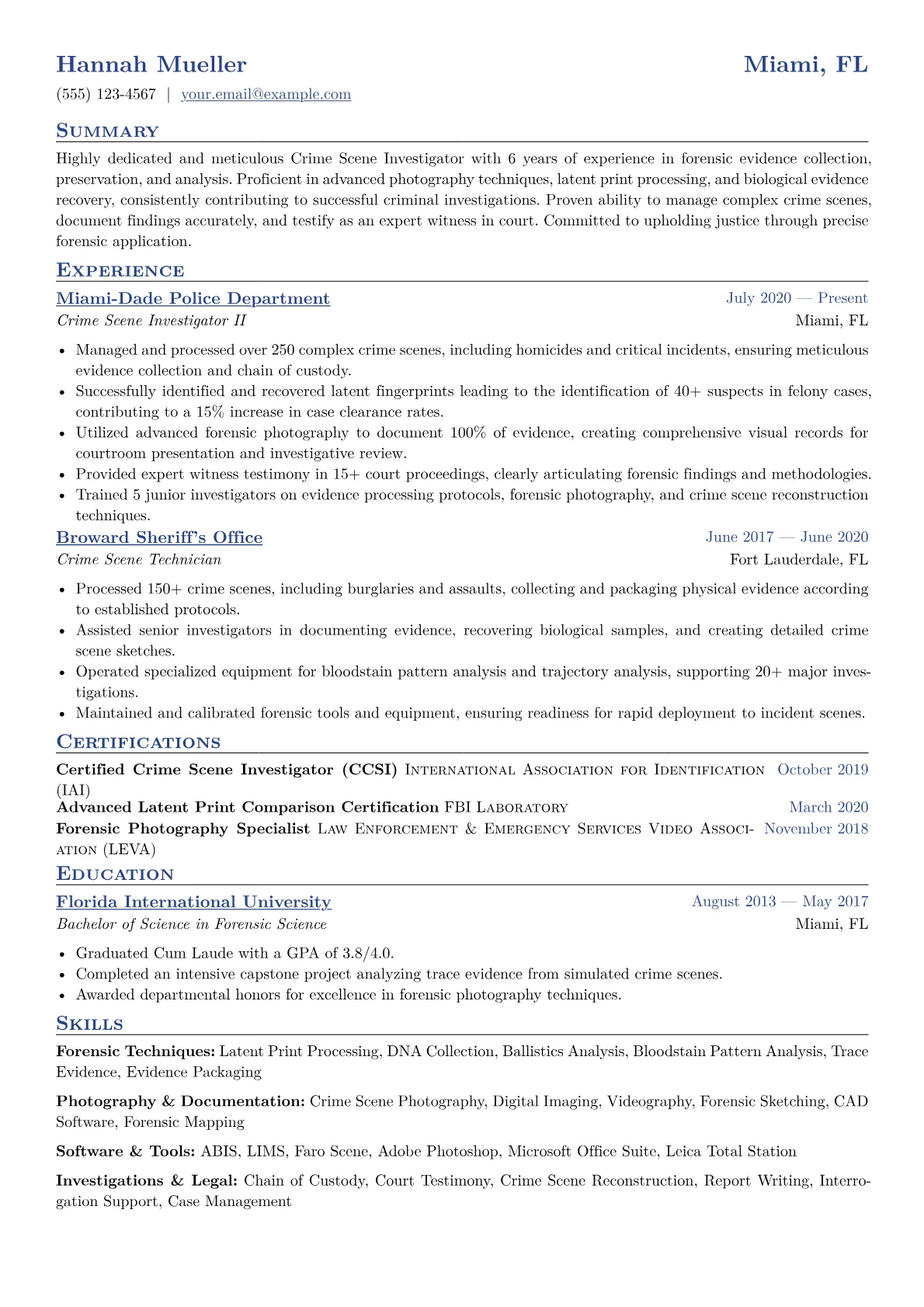
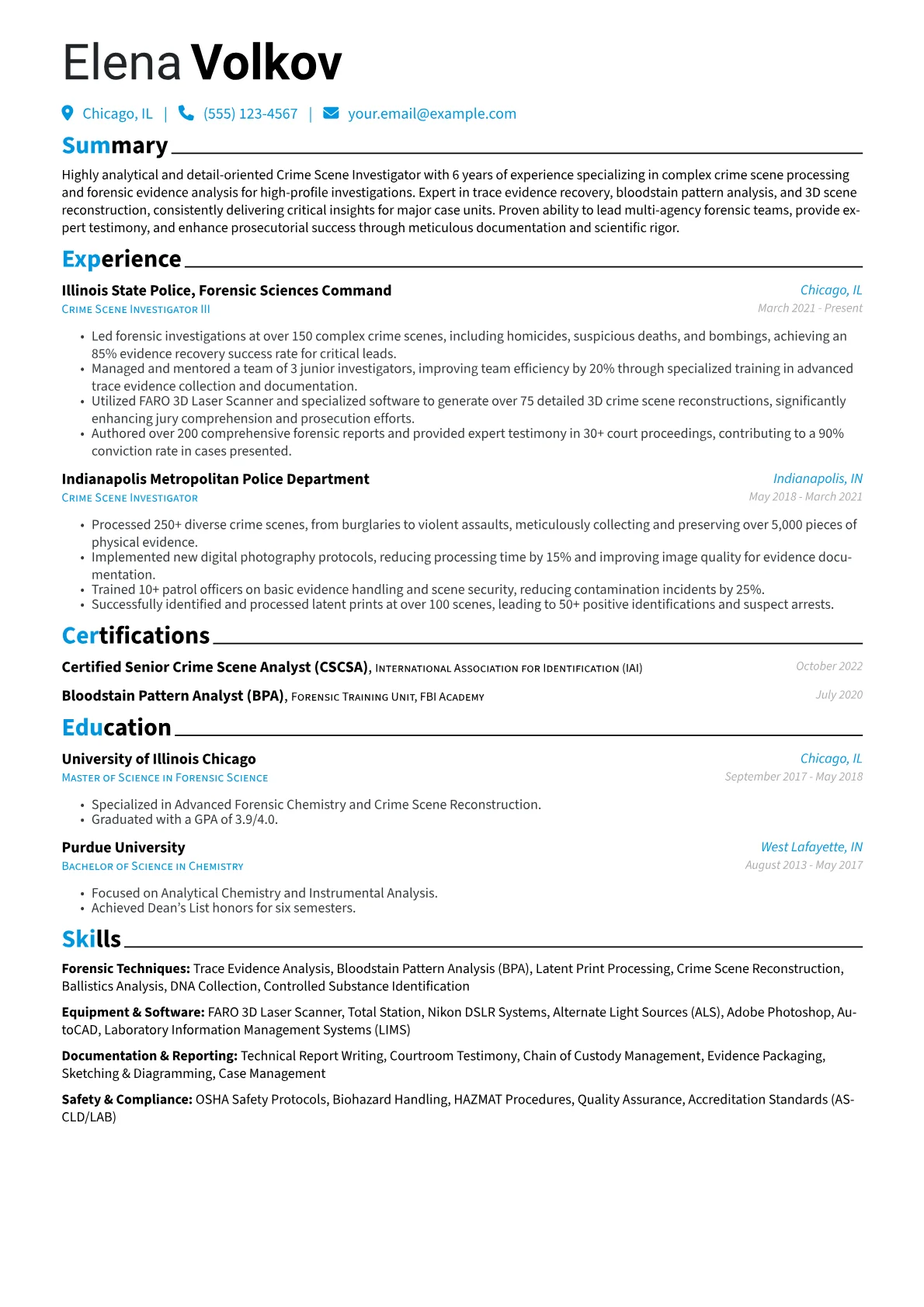
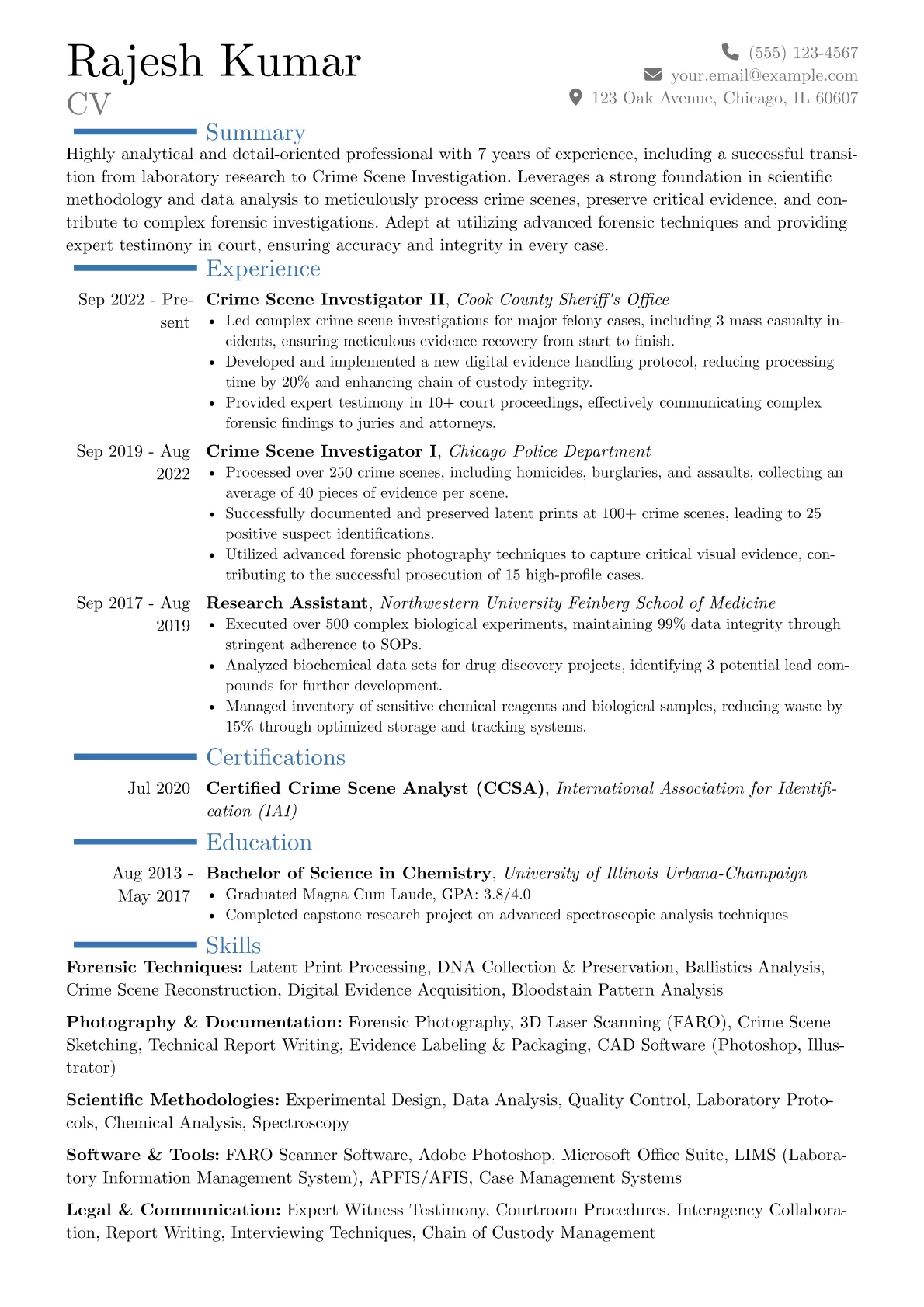
Three complete resumes, each in a different design.
Editorial Notes
Crafting a Crime Scene Investigator resume for government roles requires showcasing meticulous attention to detail, adherence to strict protocols, and proficiency in forensic techniques. Government agencies prioritize candidates who demonstrate an unwavering commitment to chain of custody, a strong understanding of legal evidentiary standards, and proven experience in a variety of crime scene environments. The unique challenge lies in translating hands-on field experience into quantifiable achievements that resonate with public sector hiring managers.
This JobSprout example effectively addresses these needs by prominently featuring a dedicated certifications section, highlighting essential credentials like latent print processing and evidence collection. It strategically uses action verbs and quantified achievements to detail experience, such as "processed over 150 diverse crime scenes" or "maintained 100% chain of custody integrity," which clearly demonstrate impact. The logical grouping of technical and soft skills further reinforces a well-rounded and highly capable profile.
This effective template was built with JobSprout, offering a streamlined way to create a professional resume tailored for the government sector. You can easily remix this example to craft your own compelling application.
How useful was this template?
Example by JobSprout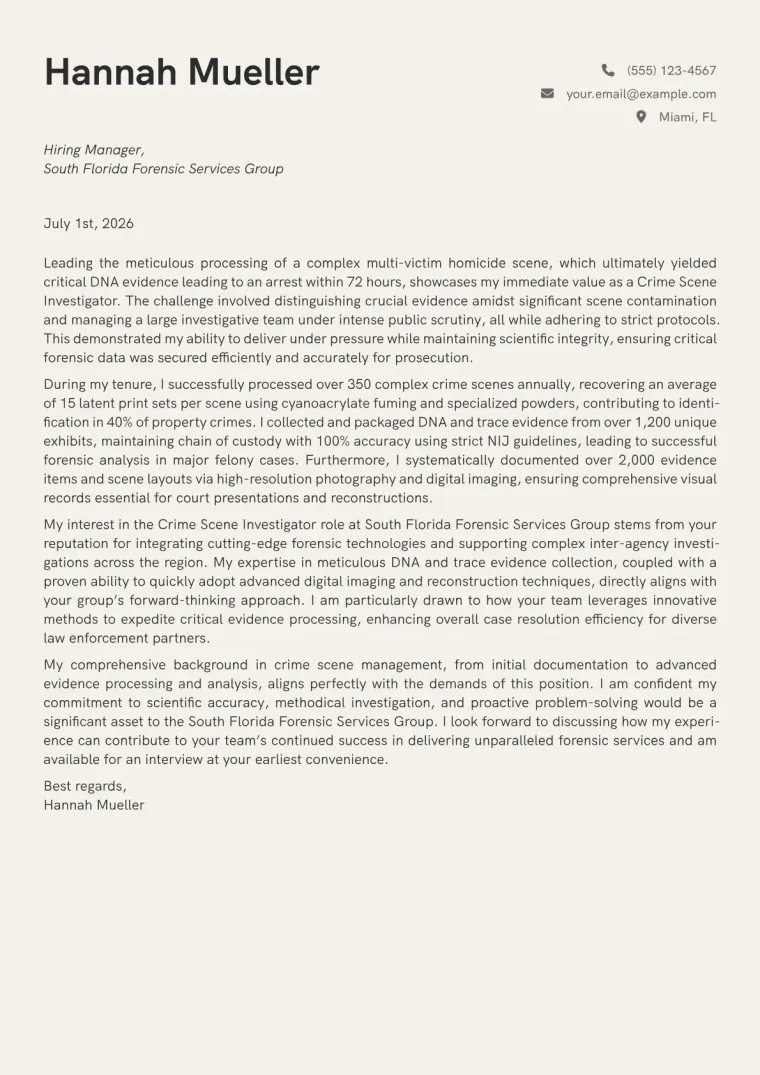
Crime Scene Investigator Cover Letter Example
Written for the same person as this resume, ready to adapt.
Crime Scene Investigator resume summary example
Highly dedicated and meticulous Crime Scene Investigator with 6 years of experience in forensic evidence collection, preservation, and analysis. Proficient in advanced photography techniques, latent print processing, and biological evidence recovery, consistently contributing to successful criminal investigations. Proven ability to manage complex crime scenes, document findings accurately, and testify as an expert witness in court. Committed to upholding justice through precise forensic application.
Crime Scene Investigator salary by country
| Country | 25th percentile | Median | 75th percentile |
|---|---|---|---|
| US | $70,968 | $89,123 | $110,000 |
| UK | £24,415 | £29,470 | £38,669 |
| Canada | C$49,054 | C$64,815 | C$86,944 |
| Australia | A$70,000 | A$80,000 | A$125,000 |
| Germany | €52,727 | €64,167 | €76,316 |
| France | €47,500 | €57,500 | €65,833 |
| Netherlands | €56,786 | €65,000 | €72,813 |
| New Zealand | NZ$75,000 | NZ$100,000 | NZ$125,000 |
| India | ₹416,667 | ₹833,333 | ₹1,535,714 |
Annual salaries in local currency, aggregated from live job postings via Adzuna. Figures refresh continuously and reflect advertised pay, not negotiated offers.
Crime Scene Investigator resume skills and keywords
Recruiters and applicant tracking systems scan Crime Scene Investigator resumes for these skills and keywords. Include the ones that match your experience and mirror the wording in the job description. Check your resume against them with the free ATS checker.
Hard skills
Tools & software
Certifications
Soft skills
Market Insights
Crime Scene Investigator
Salary Range
US market data · Source: Adzuna · Updated Mar 2026
![How to Write a CV for Government Applications [2026 Guide]](/thumbnails/cv-for-government-applications.webp)