Discovery Analyst Resume Example
 Example by JobSprout
Free to use. No download fee.
Market Insights
Discovery Analyst
Salary Range
Salary Trend
Mar 2025 – Feb 2026
12-Month Trend
Based on advertised Legal roles.
US market data · Source: Adzuna · Updated Mar 2026
How useful was this template?
Discovery Analyst resume samples
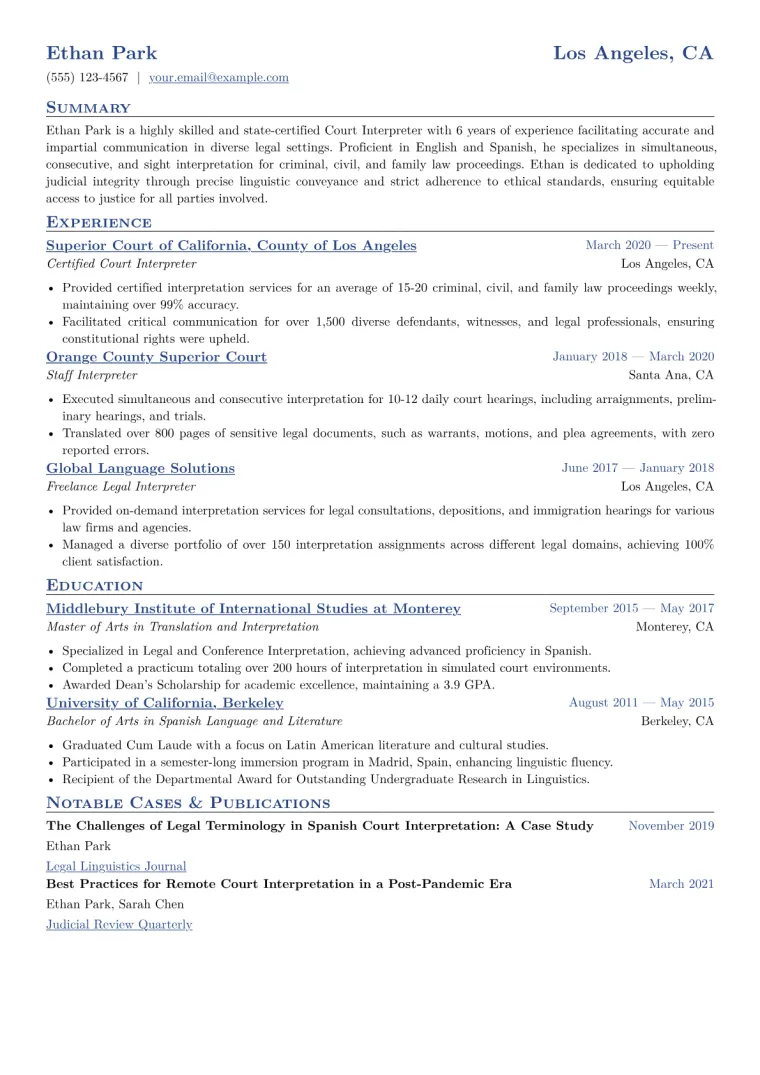
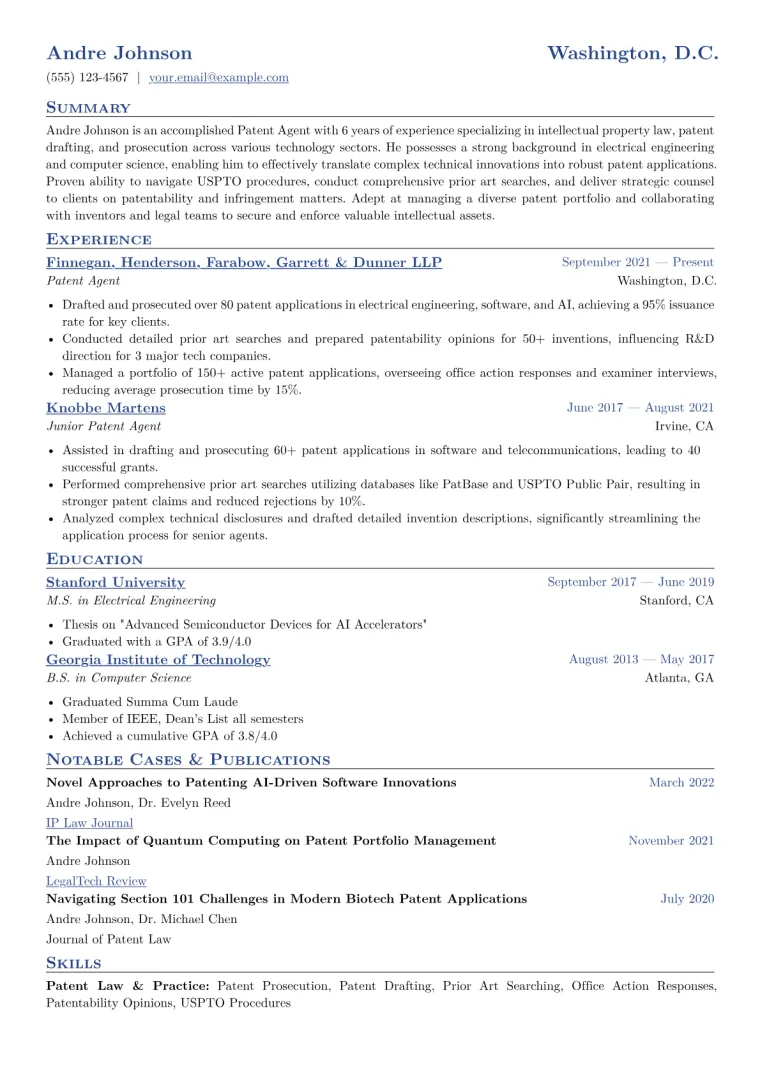
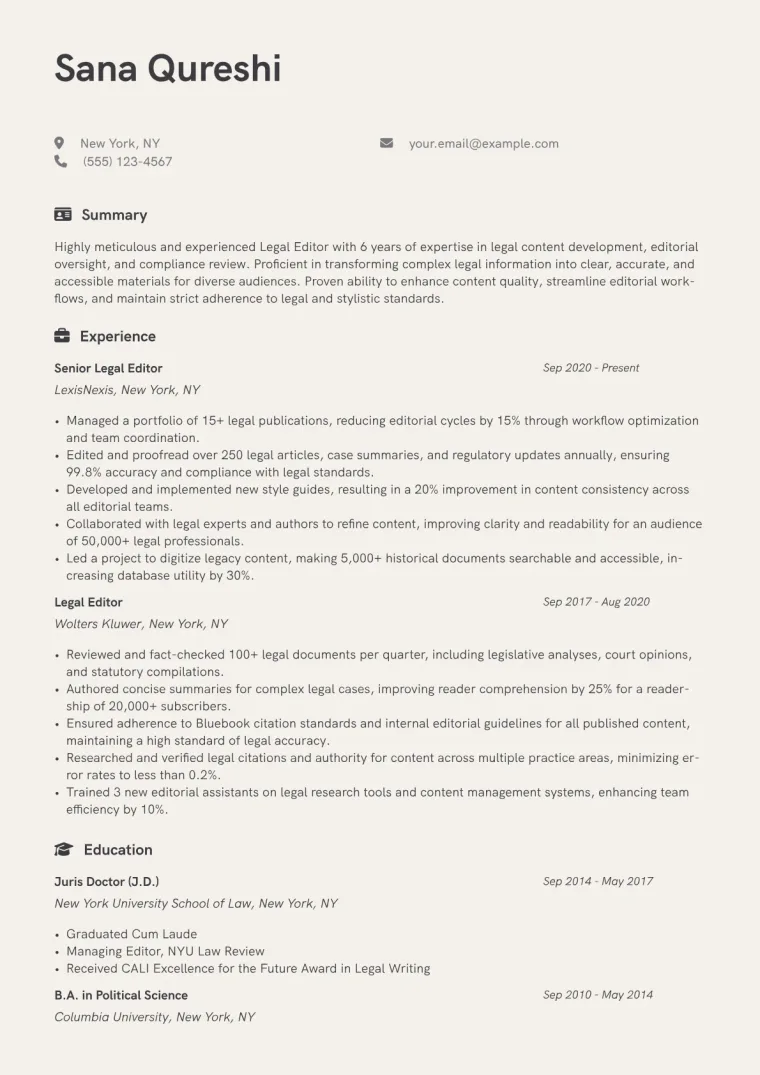
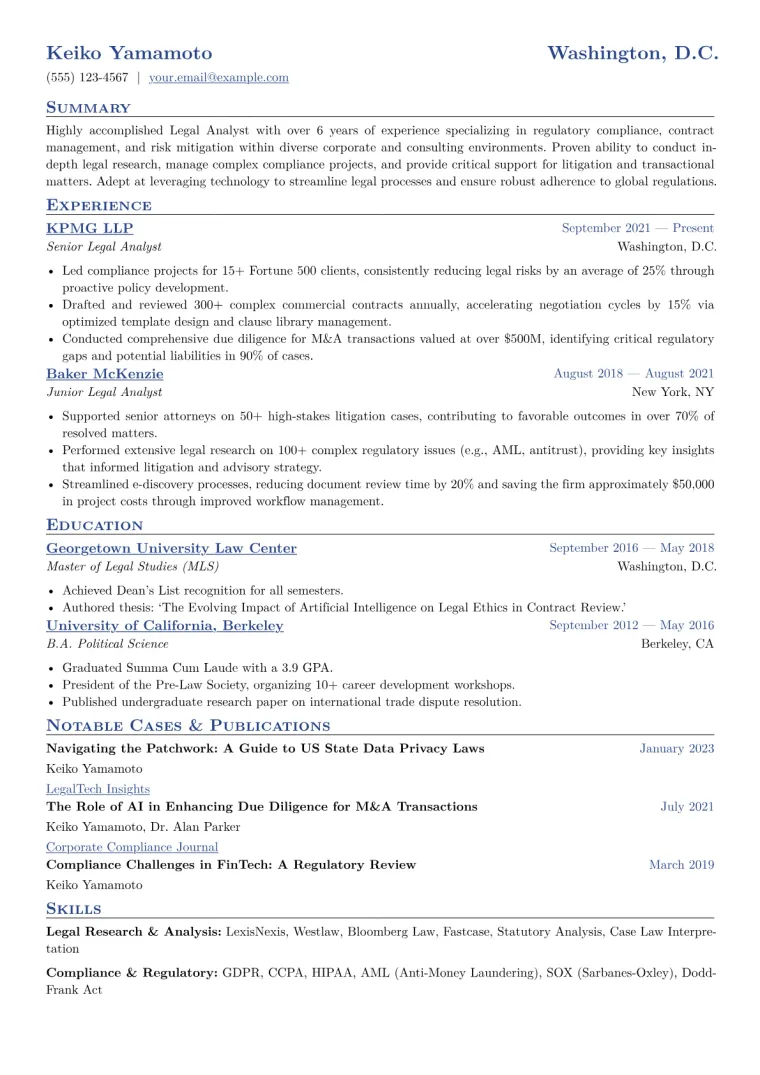
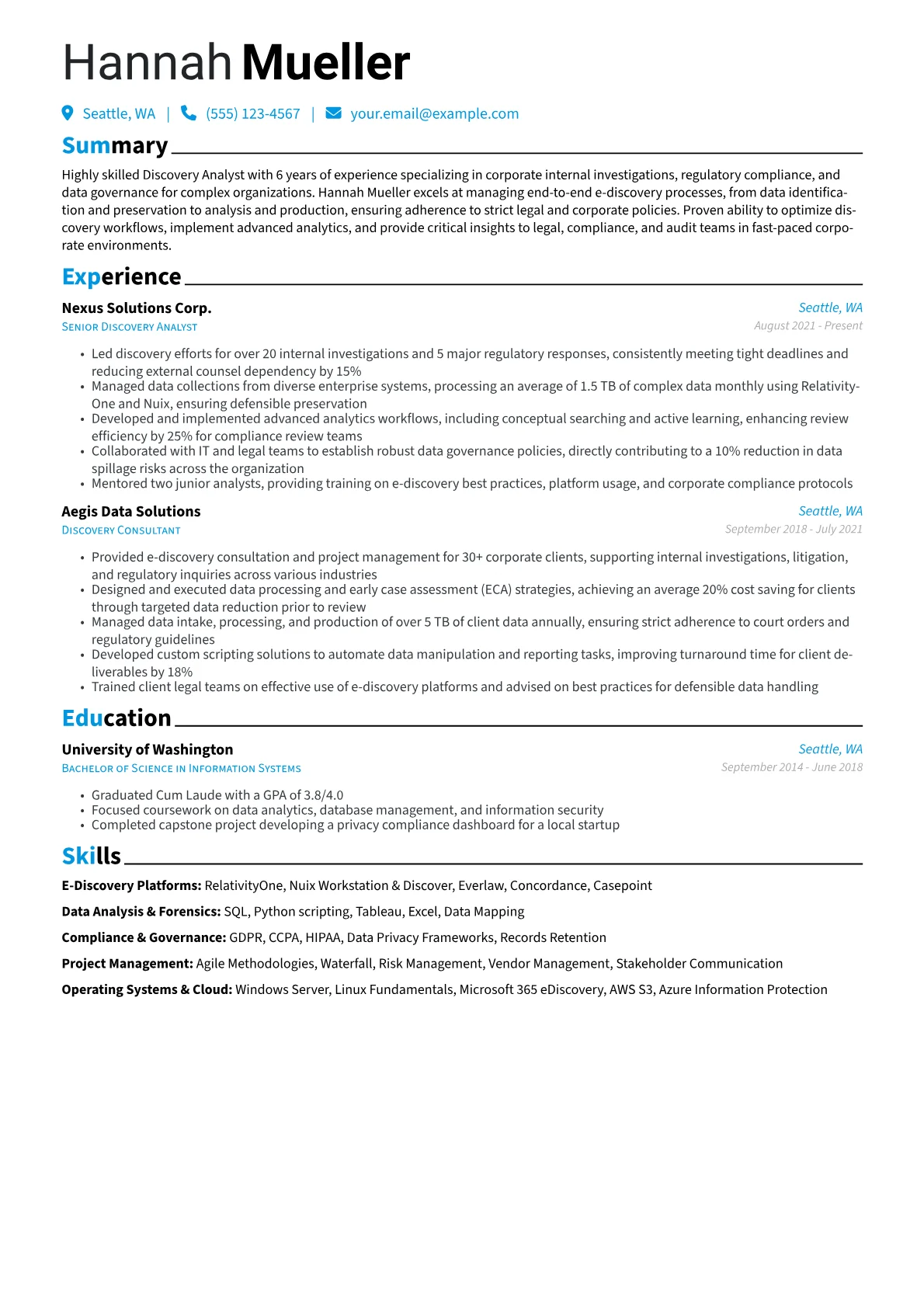
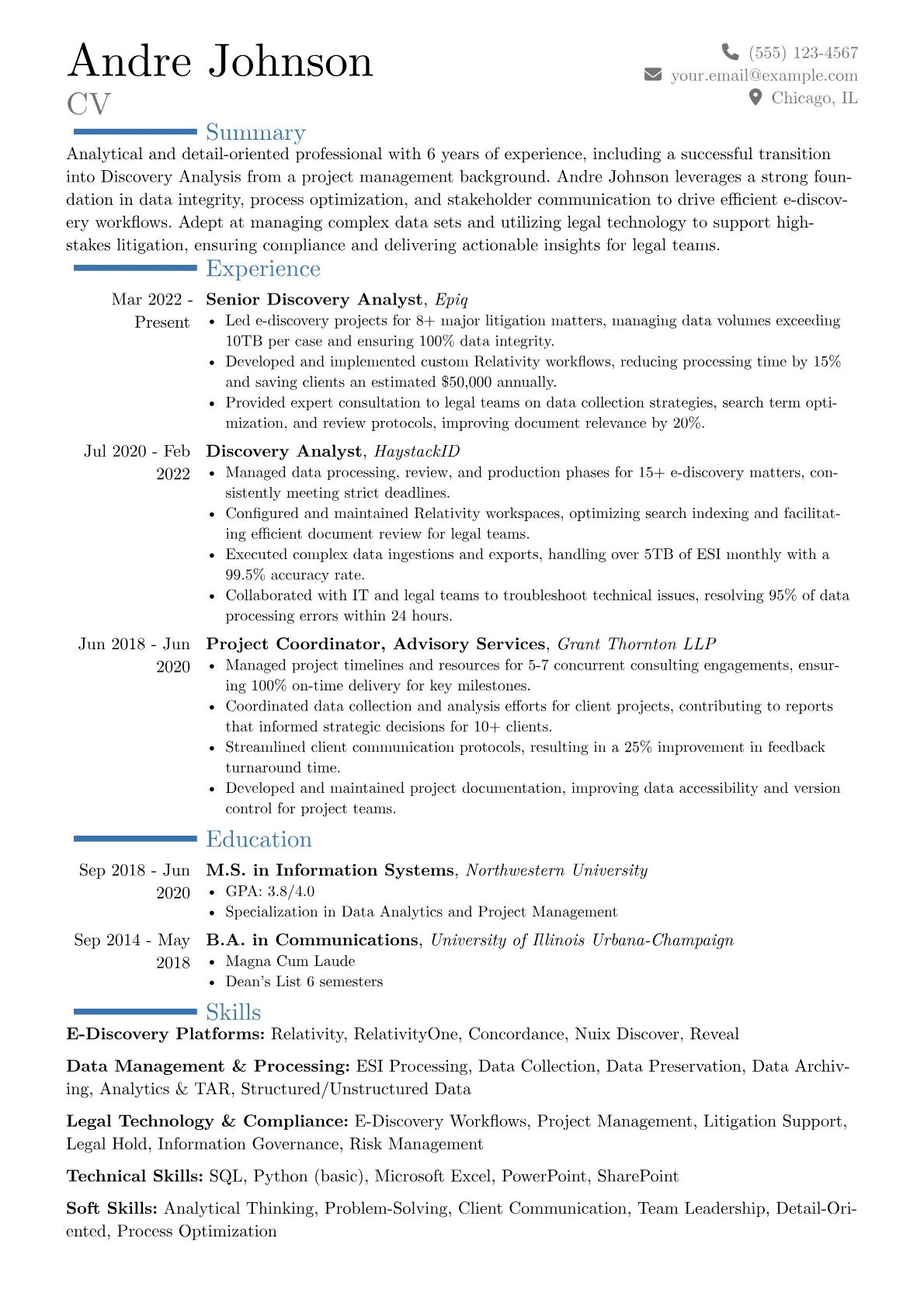
Three complete resumes, each in a different design.
Free to use. No download fee.
What makes a strong Discovery Analyst resume?
US median salary $142,500 ·
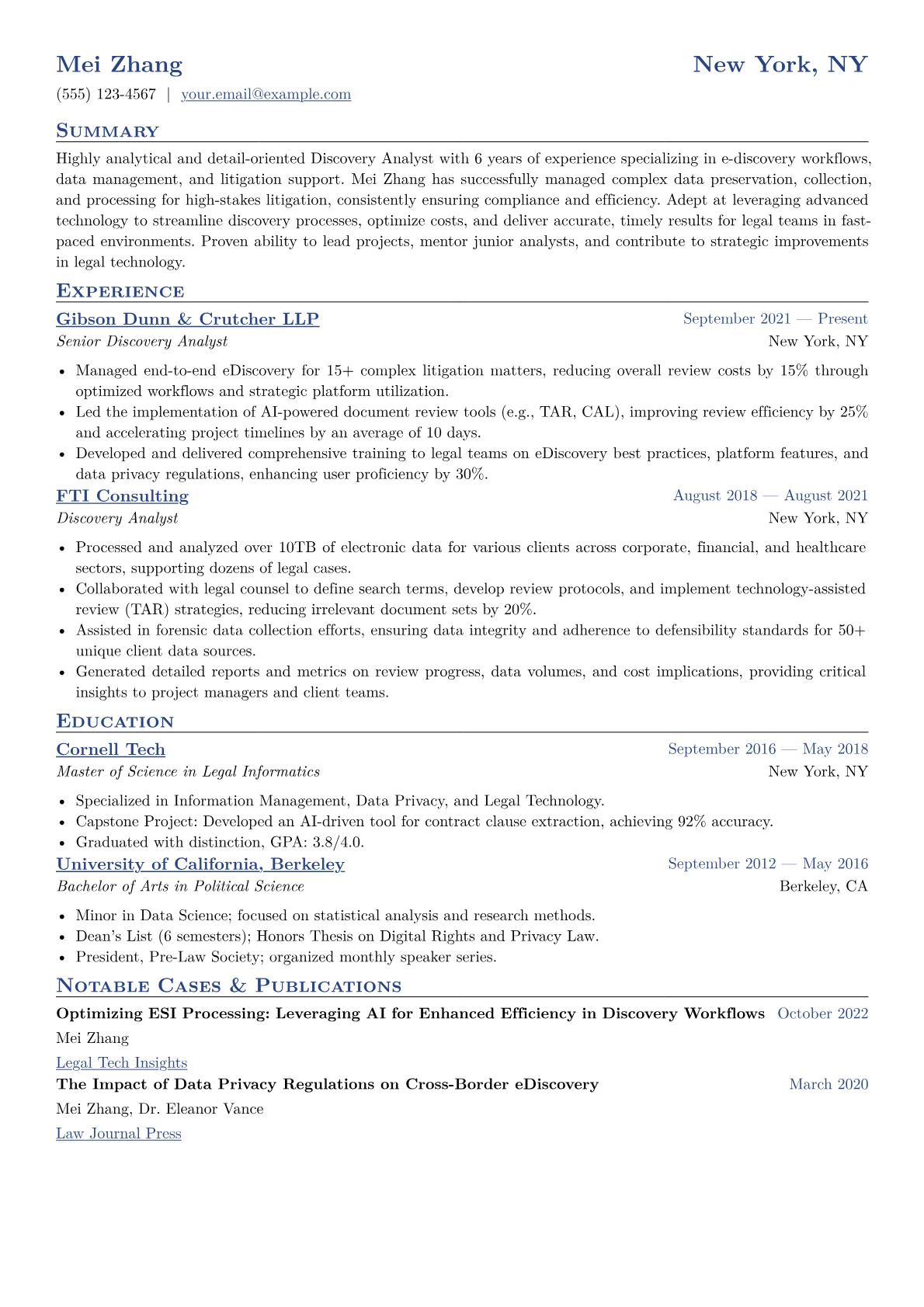
Hiring managers for mid-level Discovery Analyst roles in Legal prioritize demonstrated expertise in ESI processing, data governance, and defensible e-discovery workflows. They seek practical experience managing large datasets within litigation contexts, understanding nuances like privilege review protocols and subpoena responses. Concrete achievements often involve optimizing review processes, coordinating with legal teams on search term implementation, and ensuring compliance with data preservation requirements. Familiarity with specific e-discovery platforms such as Relativity, DISCO, or Everlaw is essential, as is a foundational understanding of TAR protocols and ACEDS certification. The ability to articulate the impact of discovery efforts on case strategy and risk mitigation is highly valued.
Why this example works
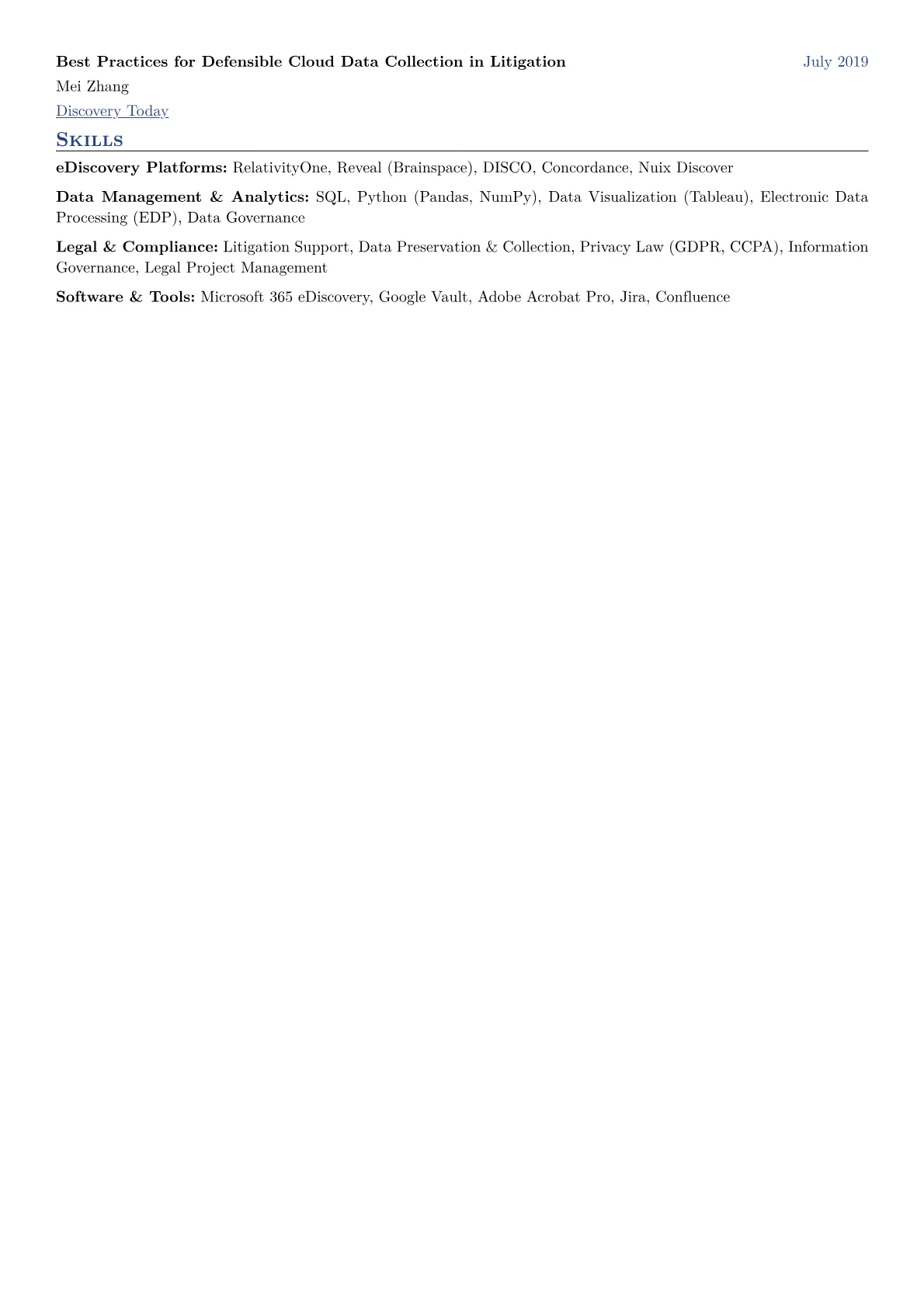
The JobSprout Discovery Analyst resume example effectively showcases these critical qualifications. It quantifies achievements clearly, for instance, detailing how the candidate “managed over 5TB of ESI across 15+ concurrent matters” or “reduced data processing errors by 20% through workflow optimization.” Essential technical skills like Relativity, Nuix, and SQL are prominently grouped, indicating immediate tool proficiency. Furthermore, the resume smartly highlights certifications such as ACEDS or Relativity Certified Administrator, instantly conveying a recognized standard of expertise crucial for this specialized legal function.
How useful was this template?
Example by JobSprout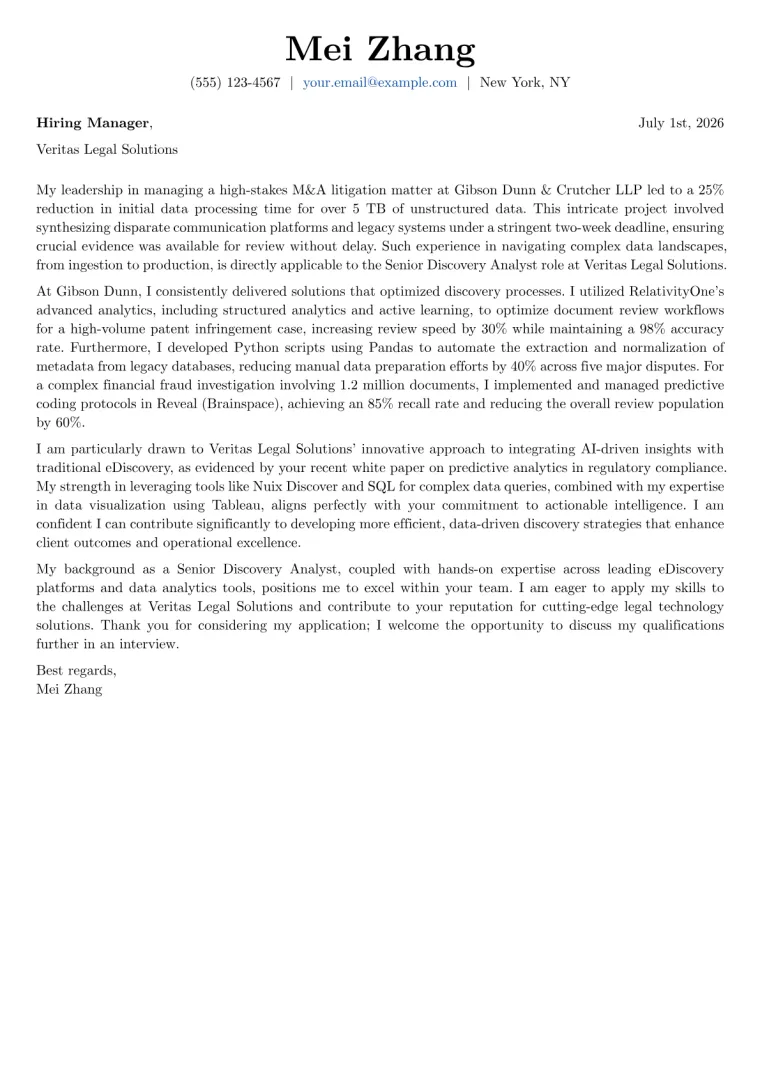
Discovery Analyst Cover Letter Example
Written for the same person as this resume, ready to adapt.
Discovery Analyst resume summary example
Highly analytical and detail-oriented Discovery Analyst with 6 years of experience specializing in e-discovery workflows, data management, and litigation support. Mei Zhang has successfully managed complex data preservation, collection, and processing for high-stakes litigation, consistently ensuring compliance and efficiency. Adept at leveraging advanced technology to streamline discovery processes, optimize costs, and deliver accurate, timely results for legal teams in fast-paced environments. Proven ability to lead projects, mentor junior analysts, and contribute to strategic improvements in legal technology.
Discovery Analyst salary by country
| Country | 25th percentile | Median | 75th percentile |
|---|---|---|---|
| US | $113,500 | $142,500 | $151,250 |
| UK | £49,283 | £63,220 | £73,822 |
| Canada | C$68,600 | C$95,161 | C$133,111 |
| Australia | A$101,122 | A$135,441 | A$149,148 |
| Germany | €54,375 | €58,750 | €71,250 |
| France | €56,250 | €67,500 | €92,944 |
| Netherlands | €74,059 | €94,356 | €114,652 |
| Italy | €30,000 | €50,000 | €55,000 |
| Austria | €63,763 | €67,525 | €71,288 |
| New Zealand | NZ$110,156 | NZ$123,438 | NZ$184,375 |
| India | ₹381,579 | ₹763,158 | ₹1,458,333 |
| Poland | zł172,500 | zł211,886 | zł249,086 |
Annual salaries in local currency, aggregated from live job postings via Adzuna. Figures refresh continuously and reflect advertised pay, not negotiated offers.
Discovery Analyst resume skills and keywords
Recruiters and applicant tracking systems scan Discovery Analyst resumes for these skills and keywords. Include the ones that match your experience and mirror the wording in the job description. Check your resume against them with the free ATS checker.
Hard skills
Tools & software
Certifications
Soft skills
Market Insights
Discovery Analyst
Salary Range
Salary Trend
Mar 2025 – Feb 2026
12-Month Trend
Based on advertised Legal roles.
US market data · Source: Adzuna · Updated Mar 2026
Frequently Asked Questions
What's the best resume structure for a mid-level Discovery Analyst with 3-7 years of experience?
What key skills and qualifications should I highlight as a Discovery Analyst?
How do I write impactful achievement bullets and a strong professional summary for a Discovery Analyst?
Are there any optional sections, like projects or publications, that would benefit a Discovery Analyst's resume?
How can I tailor my Discovery Analyst resume for a specific job application?
The blank page is the hard part. Skip it.
Free to use. No download fee.
![How to Write a CV for Legal Applications [2026 Guide]](/thumbnails/cv-for-legal-applications.webp)