Fluids Engineer Resume Example
 Example by JobSprout
Free to use. No download fee.
Market Insights
Fluids Engineer
Salary Range
US market data · Source: Adzuna · Updated Mar 2026
How useful was this template?
Fluids Engineer resume samples
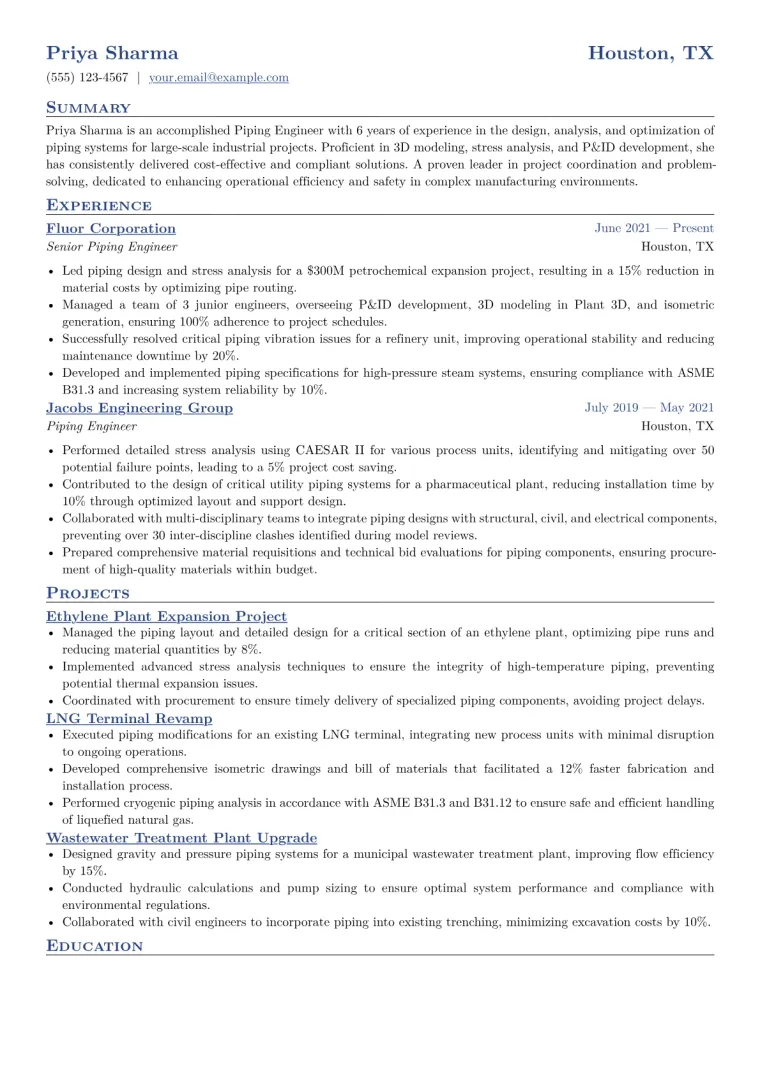
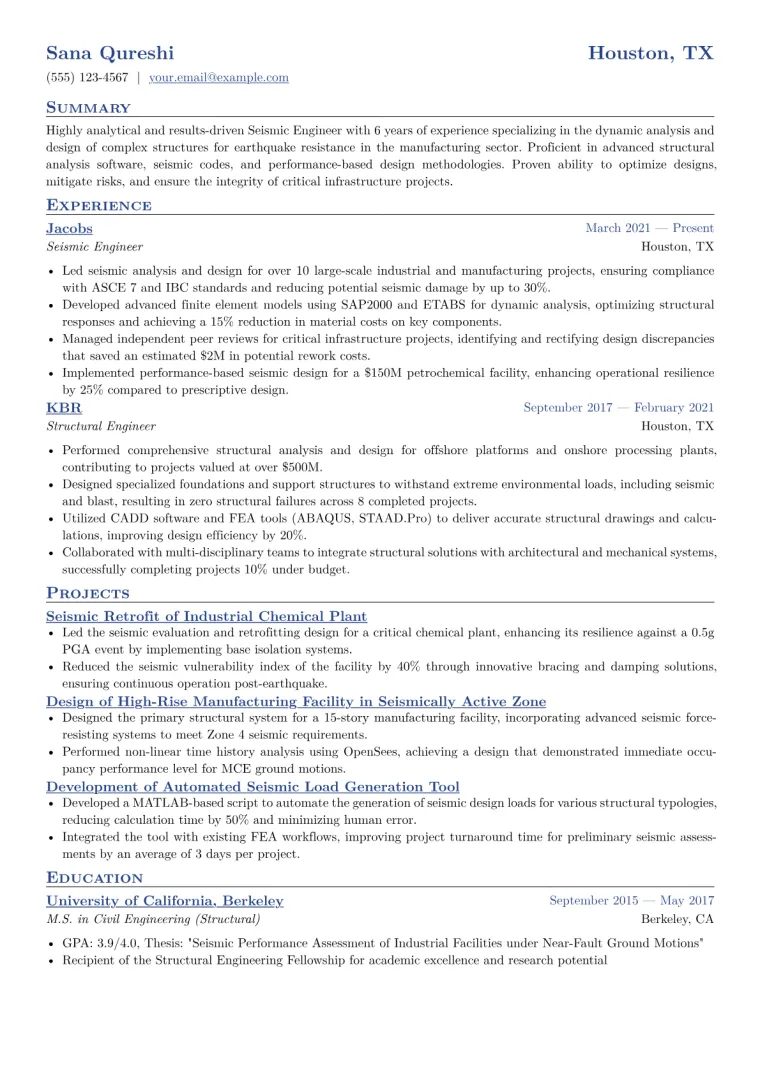
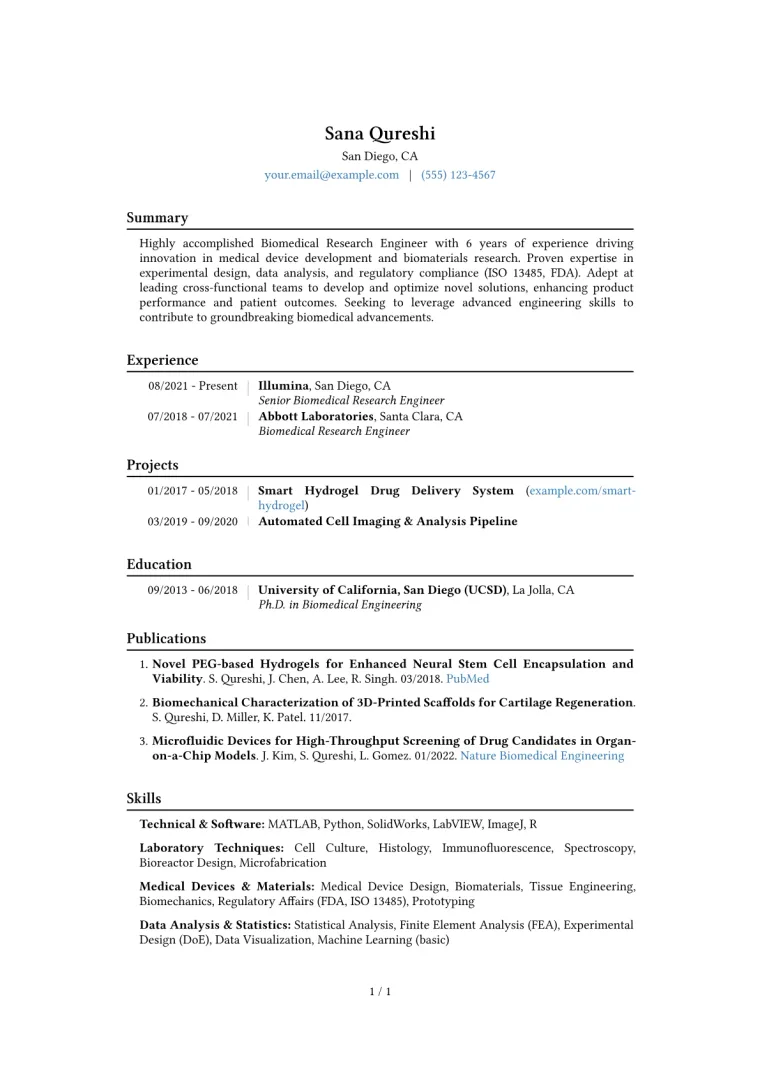
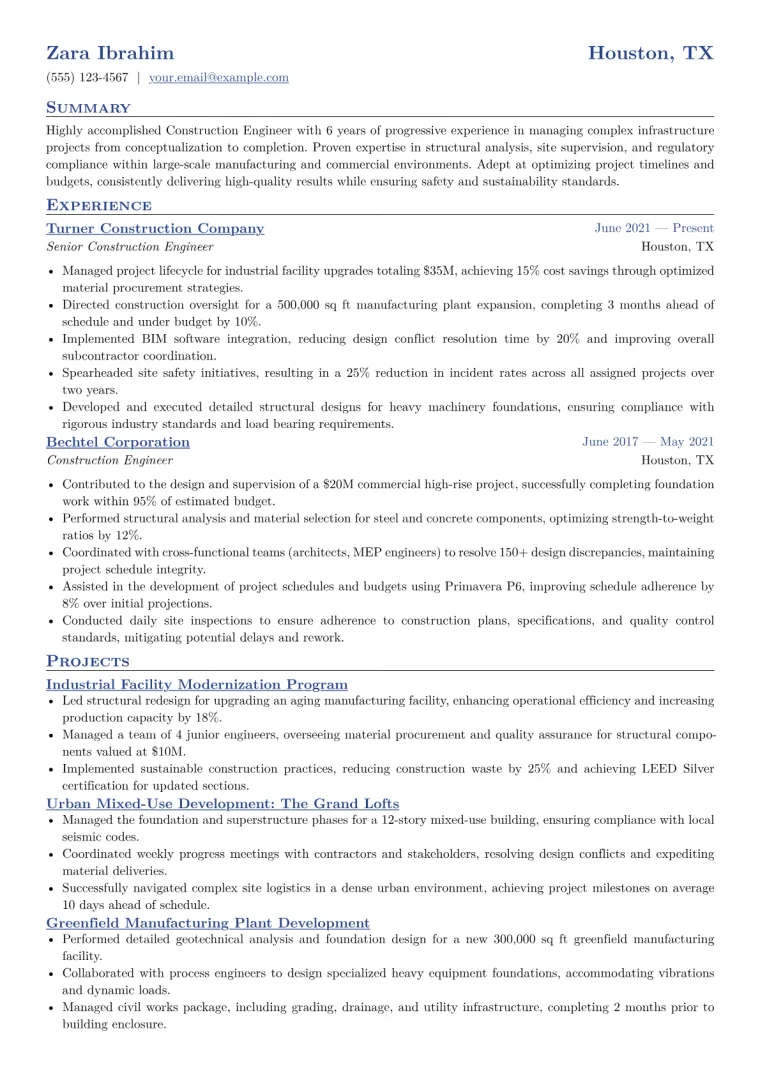
Three complete resumes, each in a different design.
Free to use. No download fee.
Editorial Notes
Hiring managers evaluating a mid-level Fluids Engineer in Manufacturing prioritize concrete impacts on production efficiency and cost reduction. A strong resume will showcase achievements like optimizing flow processes, reducing energy consumption in hydraulic systems, or successfully troubleshooting pneumatic failures on the plant floor. Key terminology includes CFD, FEA, pump curve analysis, valve sizing, and pressure drop calculations. Certifications like NFPA Hydraulics Specialist or Lean Six Sigma are valuable, demonstrating a commitment to industry standards and continuous improvement.
This example CV excels by meticulously quantifying achievements, providing clear metrics for each accomplishment such as "reduced fluid loss by 15% across production line X, saving $Y annually." Skills are thoughtfully grouped, separating technical proficiencies like ANSYS Fluent or SolidWorks Flow Simulation from broader system design and troubleshooting capabilities. Crucially, relevant certifications and instrumentation knowledge are highlighted in a dedicated section, quickly informing recruiters about the candidate's specific expertise with flow meters, pressure sensors, and control valves.
This template was built with JobSprout and can be remixed to create your own tailored Fluids Engineer resume.
How useful was this template?
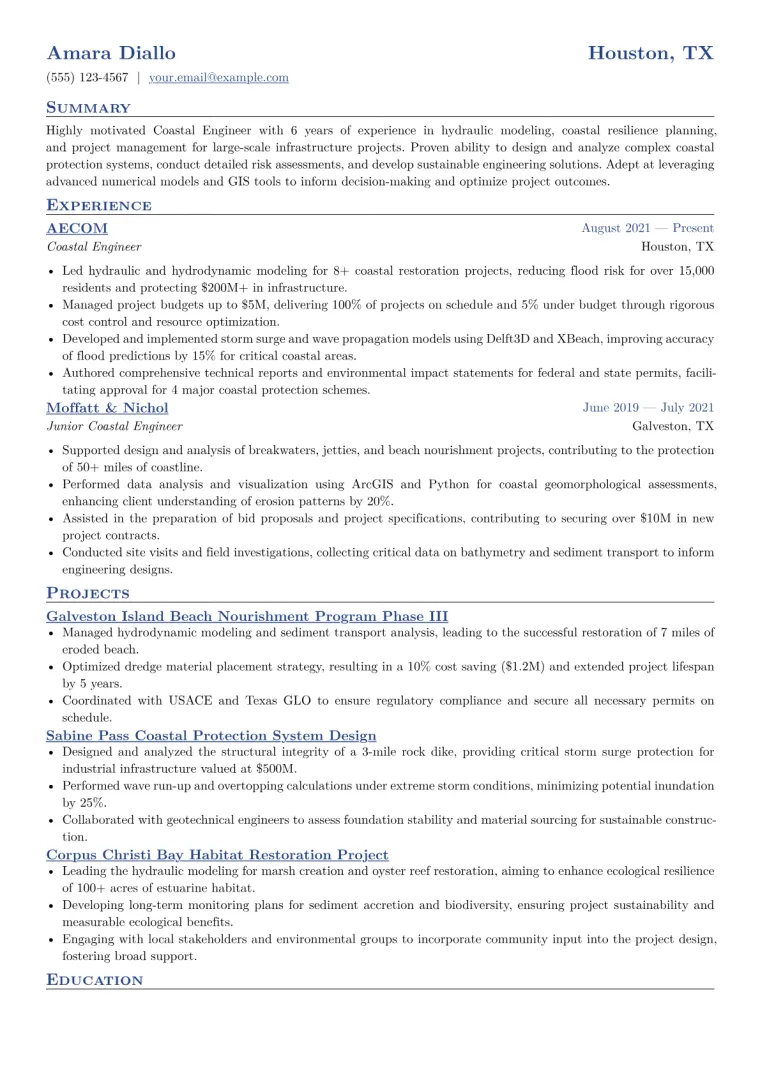
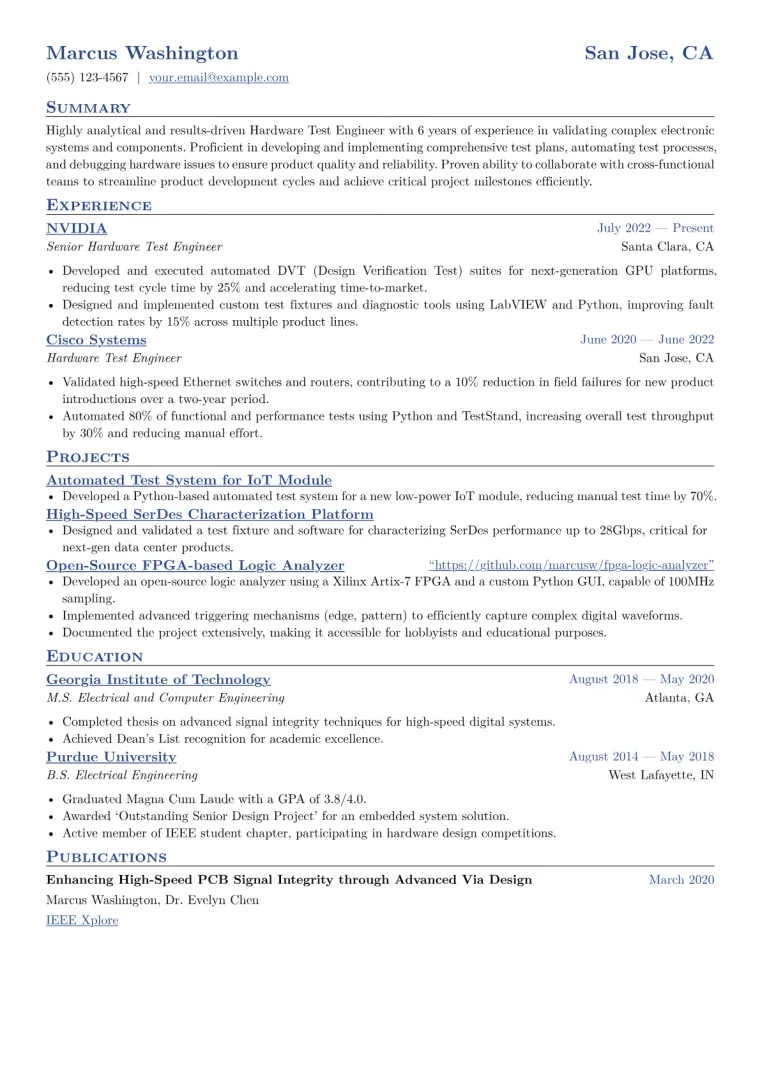
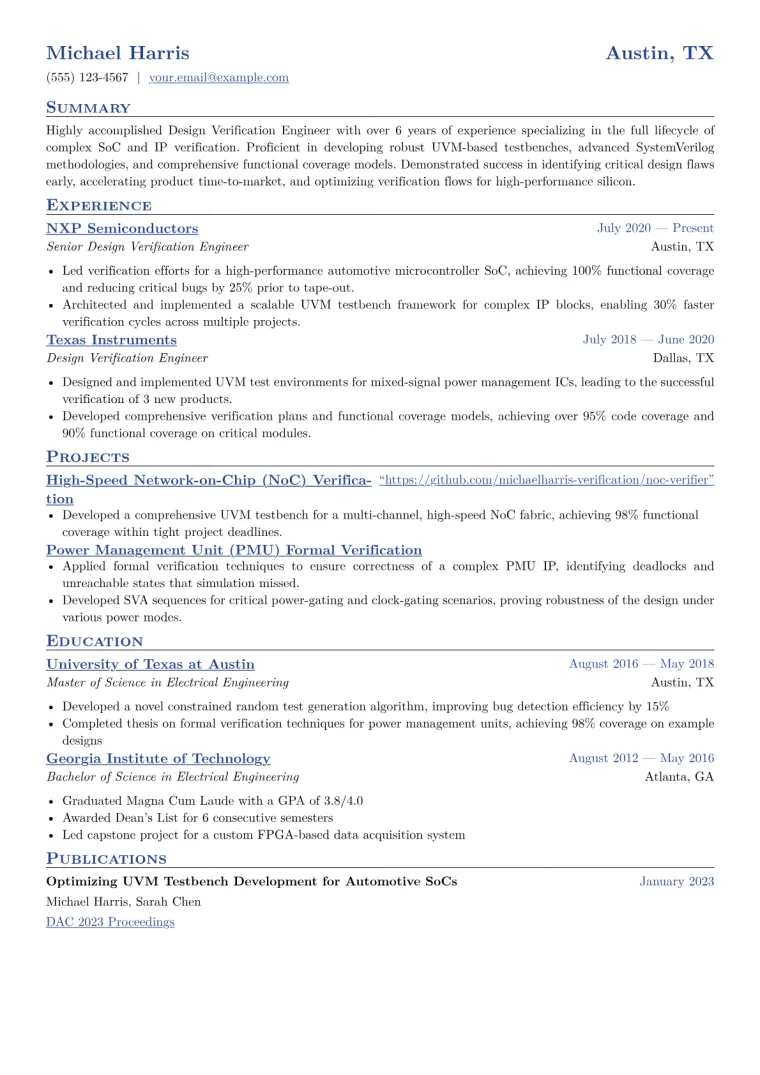
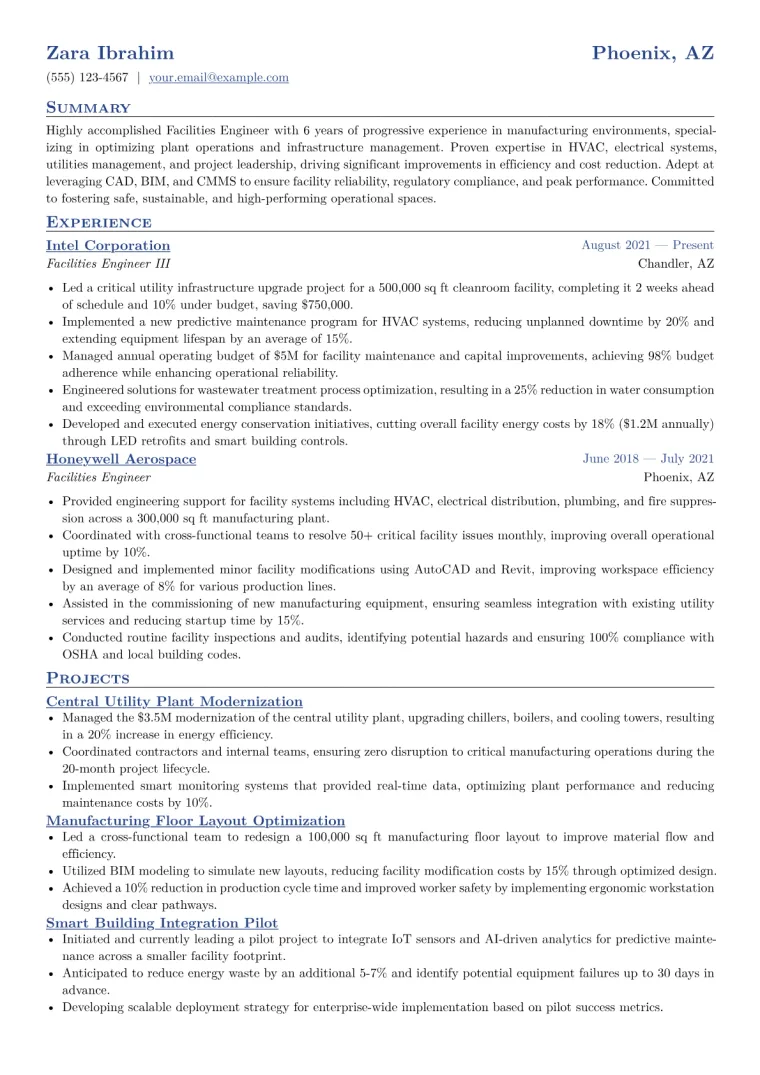
Example by JobSproutFluids Engineer resume summary example
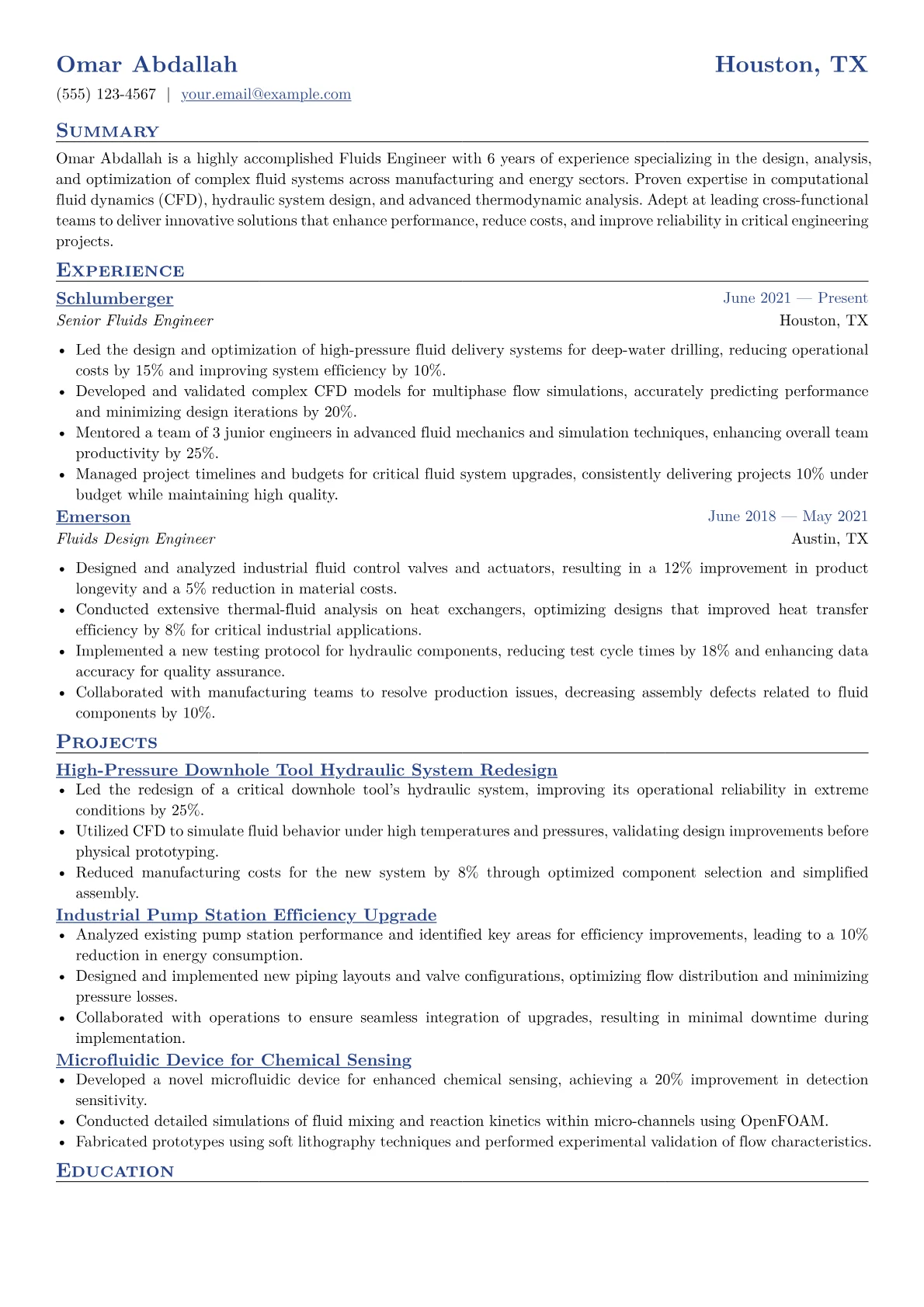
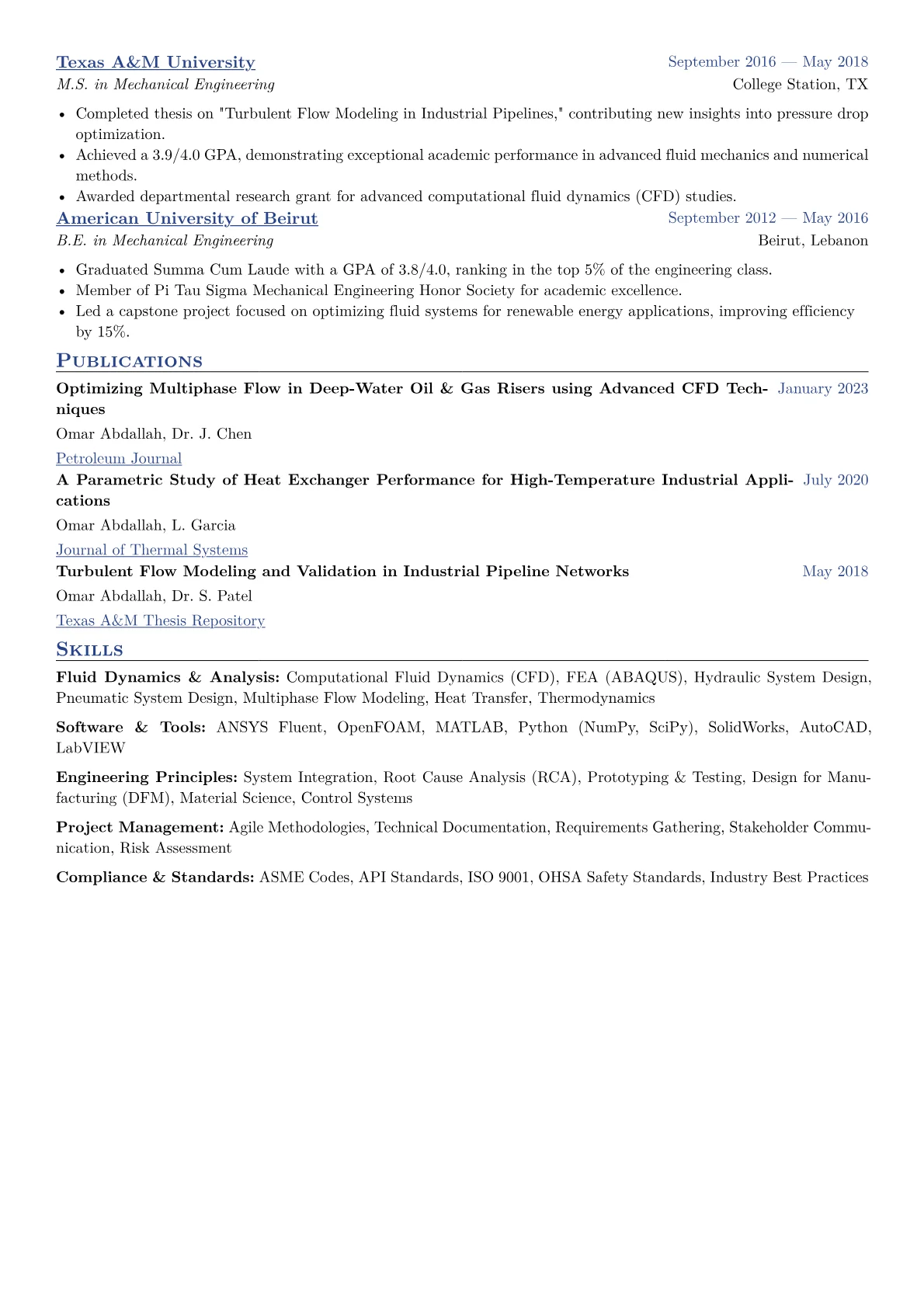
Omar Abdallah is a highly accomplished Fluids Engineer with 6 years of experience specializing in the design, analysis, and optimization of complex fluid systems across manufacturing and energy sectors. Proven expertise in computational fluid dynamics (CFD), hydraulic system design, and advanced thermodynamic analysis. Adept at leading cross-functional teams to deliver innovative solutions that enhance performance, reduce costs, and improve reliability in critical engineering projects.
Fluids Engineer salary by country
| Country | 25th percentile | Median | 75th percentile |
|---|---|---|---|
| US | $119,375 | $140,198 | $141,019 |
| UK | £36,667 | £44,286 | £52,727 |
| Canada | C$80,000 | C$100,000 | C$140,000 |
| Australia | A$103,333 | A$125,000 | A$145,000 |
| Germany | €59,500 | €70,570 | €77,887 |
| France | €37,875 | €44,167 | €49,750 |
| Netherlands | €55,000 | €66,667 | €74,250 |
| Italy | €25,000 | €31,250 | €38,750 |
| Austria | €46,250 | €58,750 | €67,500 |
| New Zealand | NZ$102,500 | NZ$120,000 | NZ$162,500 |
| India | ₹1,005,000 | ₹1,010,000 | ₹1,015,000 |
| Poland | zł186,440 | zł209,338 | zł232,236 |
Annual salaries in local currency, aggregated from live job postings via Adzuna. Figures refresh continuously and reflect advertised pay, not negotiated offers.
Fluids Engineer resume skills and keywords
Recruiters and applicant tracking systems scan Fluids Engineer resumes for these skills and keywords. Include the ones that match your experience and mirror the wording in the job description. Check your resume against them with the free ATS checker.
Hard skills
Tools & software
Certifications
Soft skills
Market Insights
Fluids Engineer
Salary Range
US market data · Source: Adzuna · Updated Mar 2026
Frequently Asked Questions
What's the best resume structure for a mid-level Fluids Engineer?
Which skills and qualifications are crucial for a Fluids Engineer with 3-7 years of experience?
How can I craft powerful achievement bullets and a professional summary for a Fluids Engineer resume?
What optional sections should a mid-level Fluids Engineer include?
How do I tailor my Fluids Engineer resume for different job opportunities?
The blank page is the hard part. Skip it.
Free to use. No download fee.
![How to Write a CV for Manufacturing Applications [2026 Guide]](/thumbnails/cv-for-manufacturing-applications.webp)