Signage Designer Resume Example
 Example by JobSprout
Free to use. No download fee.
Market Insights
Signage Designer
Salary Range
Salary Trend
Mar 2025 – Feb 2026
12-Month Trend
Based on advertised Design (UX/UI) roles.
US market data · Source: Adzuna · Updated Mar 2026
How useful was this template?
Signage Designer resume samples
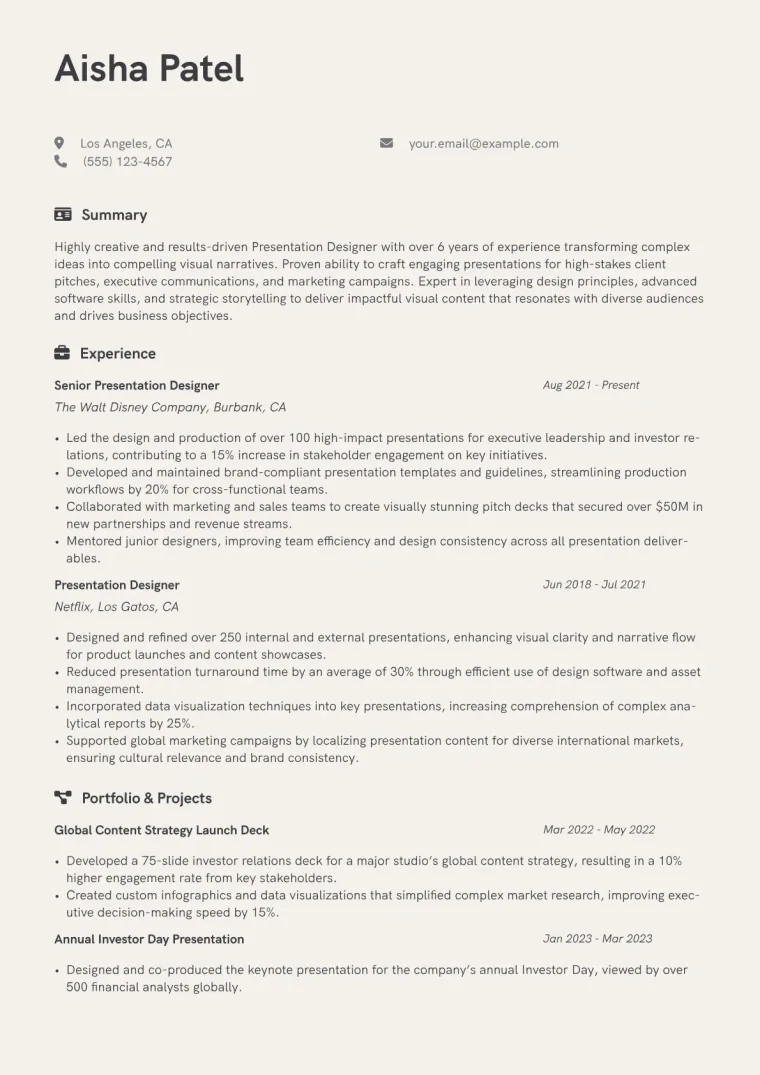
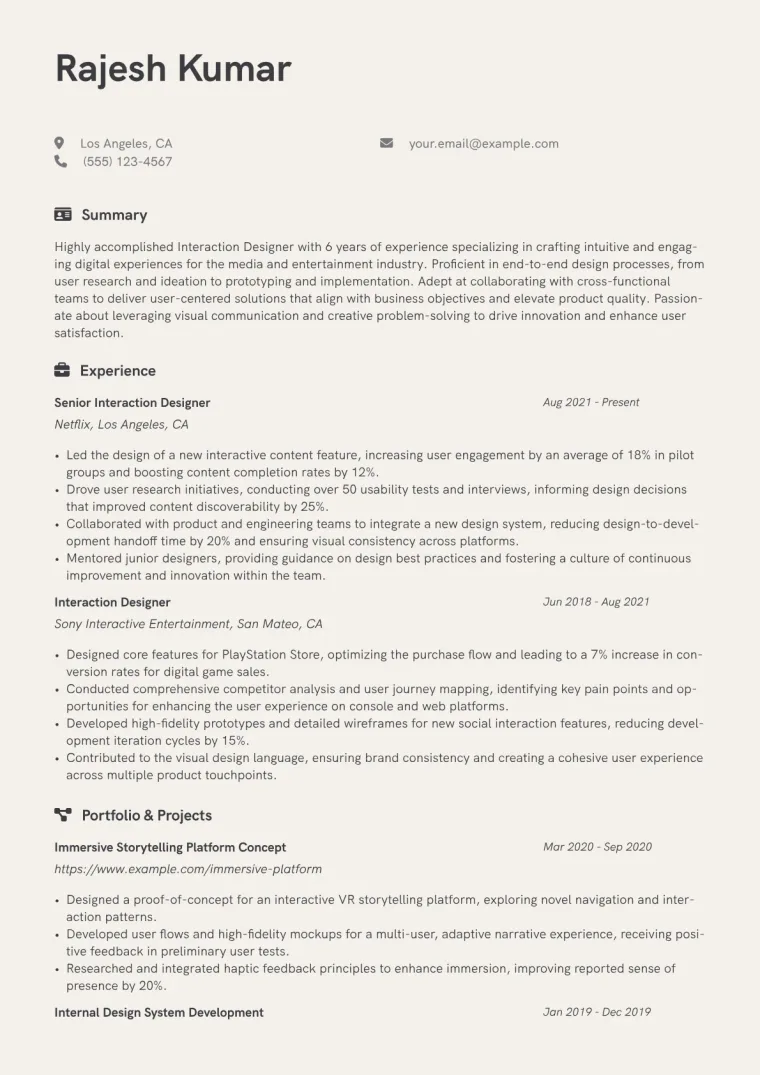
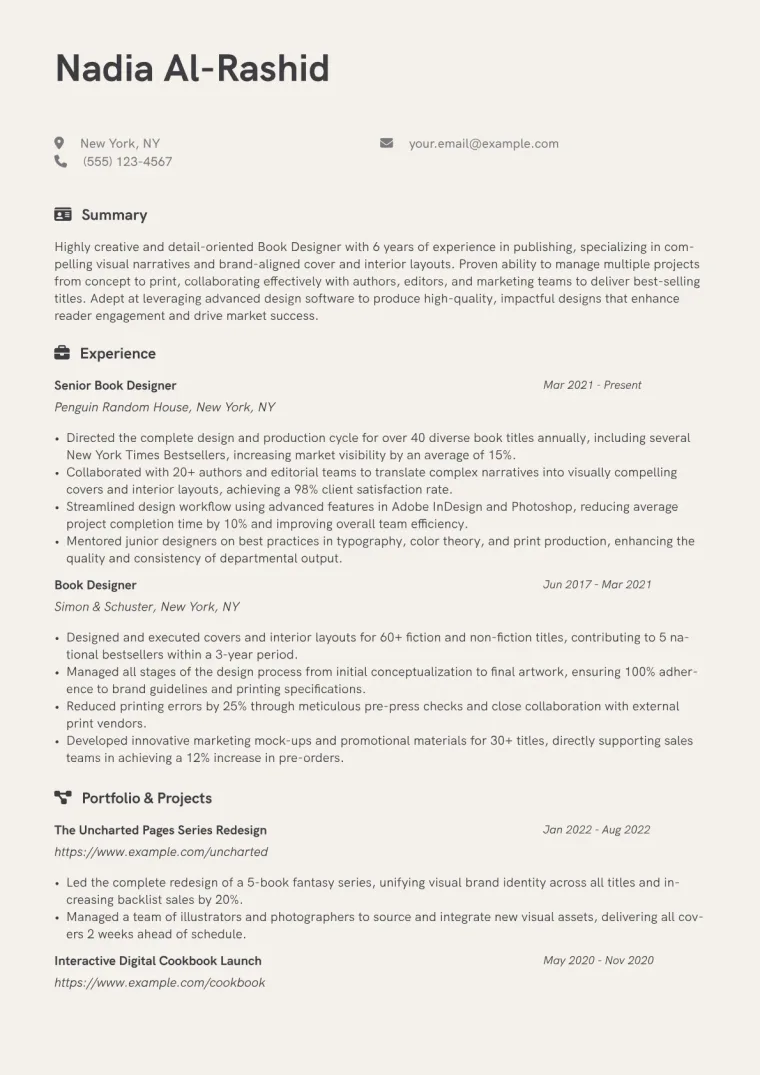
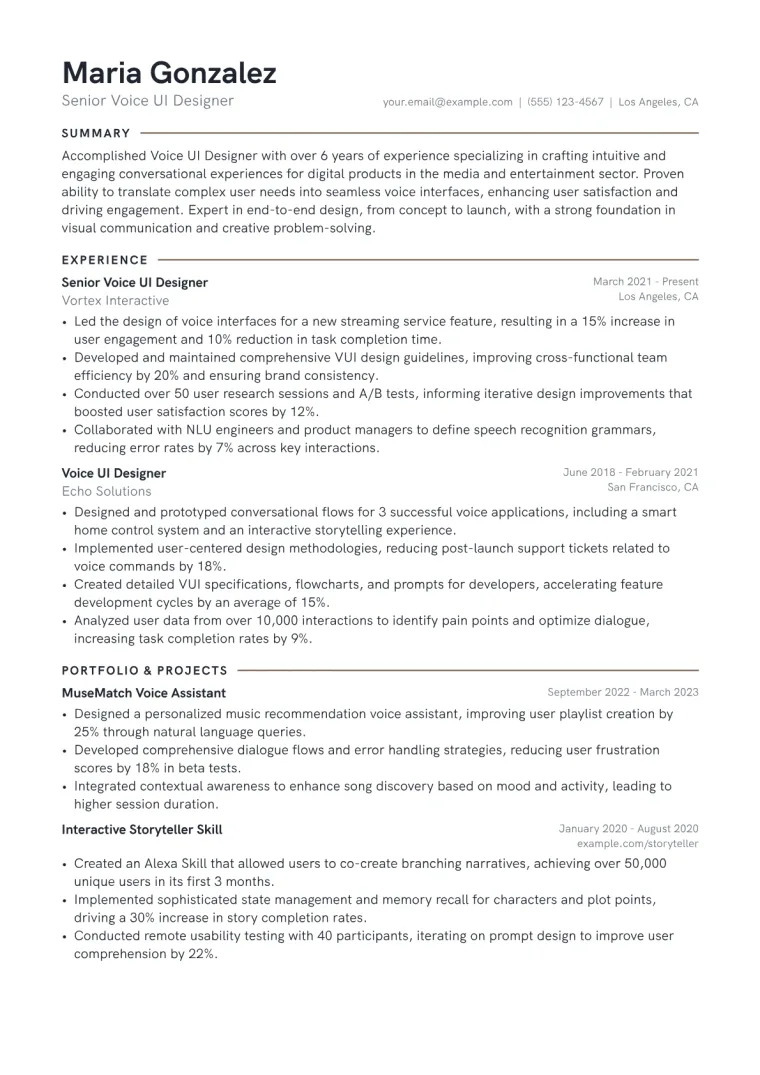
Three complete resumes, each in a different design.
Free to use. No download fee.
Editorial Notes
Crafting a compelling Signage Designer resume for the Media & Entertainment industry requires a nuanced understanding of environmental graphics and user experience. Hiring managers seek candidates who demonstrate proficiency in large-scale wayfinding systems, brand implementation across diverse physical spaces, and practical knowledge of fabrication processes. Crucially, achievements should detail the impact on visitor flow, brand recognition, and compliance with accessibility standards like ADA guidelines. Expertise in spatial design software, such as AutoCAD or Rhino, alongside Adobe Creative Suite for vector graphics, is essential.
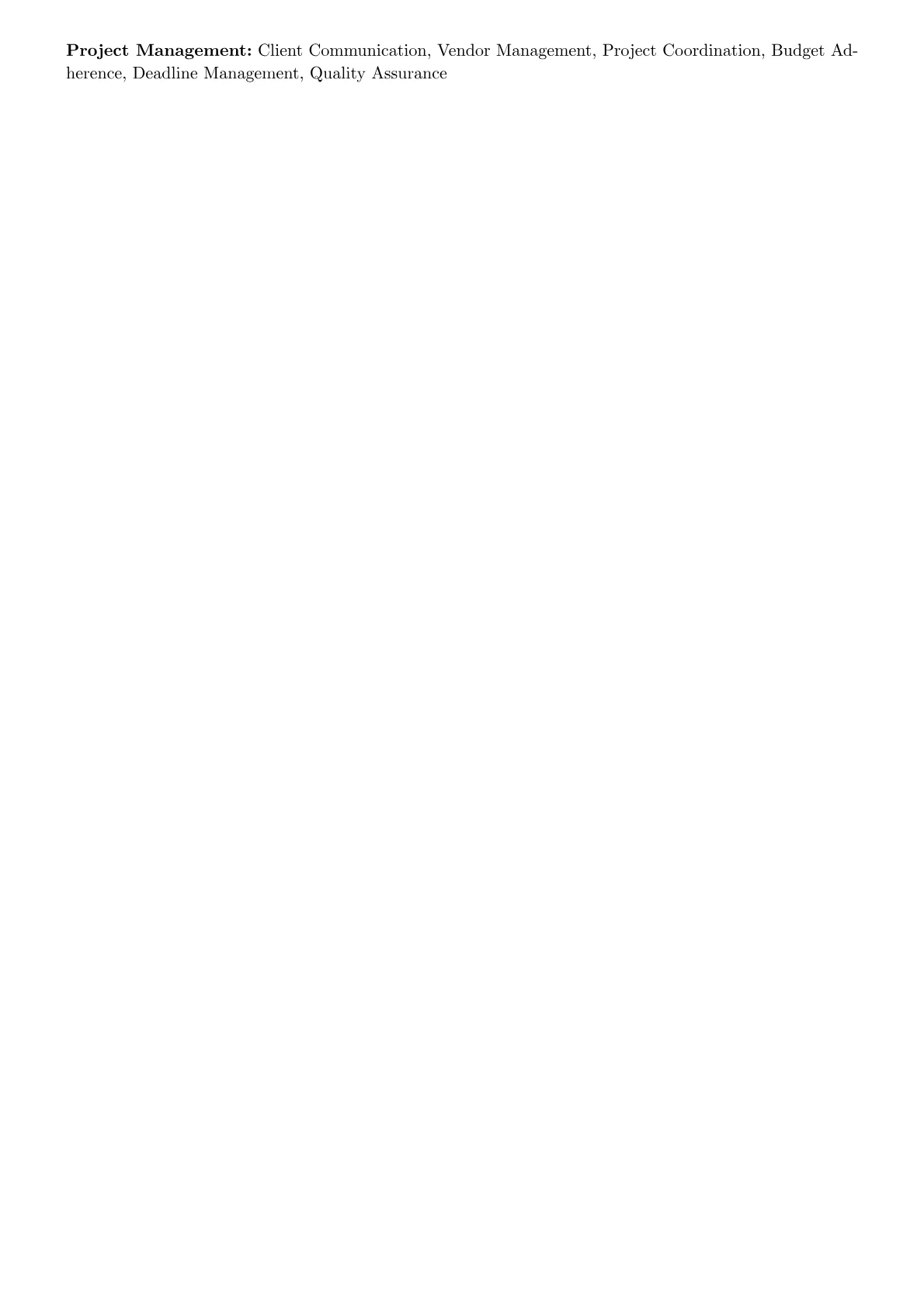
This example CV effectively highlights a Signage Designer’s capabilities by quantifying project outcomes. It groups technical proficiencies, including specific software and material specifications, alongside design principles and project management skills like vendor coordination. Certifications relating to accessibility or safety regulations are prominently featured, underscoring critical industry knowledge. The structure allows for clear articulation of how design choices translate into tangible improvements for guest experience within themed environments or event venues, moving beyond mere task descriptions.
This template was built with JobSprout and can be remixed to create your own tailored Signage Designer resume.
How useful was this template?
Example by JobSproutSignage Designer resume summary example
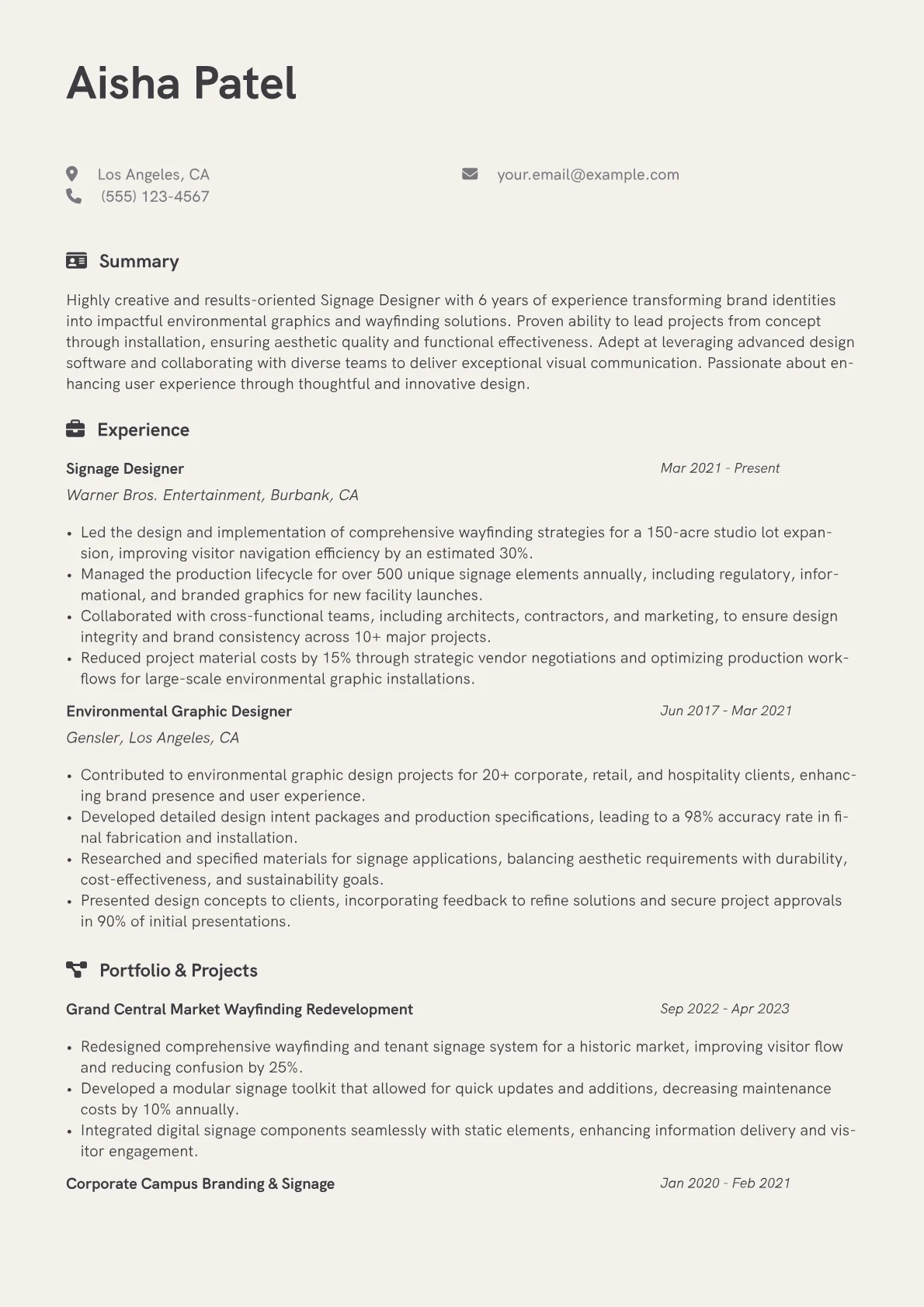
Highly creative and results-oriented Signage Designer with 6 years of experience transforming brand identities into impactful environmental graphics and wayfinding solutions. Proven ability to lead projects from concept through installation, ensuring aesthetic quality and functional effectiveness. Adept at leveraging advanced design software and collaborating with diverse teams to deliver exceptional visual communication. Passionate about enhancing user experience through thoughtful and innovative design.
Signage Designer salary by country
| Country | 25th percentile | Median | 75th percentile |
|---|---|---|---|
| US | $53,200 | $74,286 | $103,750 |
| UK | £31,250 | £39,167 | £55,625 |
| Canada | C$50,000 | C$60,000 | C$90,000 |
| Australia | A$84,021 | A$107,318 | A$140,621 |
| Germany | €54,719 | €68,515 | €71,612 |
| France | €38,546 | €45,891 | €56,325 |
| Netherlands | €42,652 | €52,645 | €62,474 |
| Italy | €25,000 | €34,615 | €49,000 |
| Austria | €36,452 | €54,286 | €72,063 |
| New Zealand | NZ$89,631 | NZ$116,435 | NZ$156,250 |
| India | ₹231,250 | ₹462,500 | ₹693,750 |
| Poland | zł149,286 | zł191,135 | zł206,147 |
Annual salaries in local currency, aggregated from live job postings via Adzuna. Figures refresh continuously and reflect advertised pay, not negotiated offers.
Signage Designer resume skills and keywords
Recruiters and applicant tracking systems scan Signage Designer resumes for these skills and keywords. Include the ones that match your experience and mirror the wording in the job description. Check your resume against them with the free ATS checker.
Hard skills
Tools & software
Certifications
Soft skills
Market Insights
Signage Designer
Salary Range
Salary Trend
Mar 2025 – Feb 2026
12-Month Trend
Based on advertised Design (UX/UI) roles.
US market data · Source: Adzuna · Updated Mar 2026
Frequently Asked Questions
What's the best resume structure for a mid-level Signage Designer?
What key skills and qualifications should I highlight as a Signage Designer?
How can I write strong achievement bullets or a professional summary for this role?
Which optional sections, like certifications or a portfolio, are important for a Signage Designer?
How can JobSprout's 'Remix with AI' feature help me tailor my Signage Designer resume for a specific job?
Related Articles
![How to Write a CV for UX Design Applications [2026 Guide]](/thumbnails/cv-for-design-applications.webp)
How to Write a CV for UX Design Applications [2026 Guide]
Learn how to write a UX or product design CV that gets interviews. Real template analysis, what hiring managers look for, and common mistakes to avoid.
![How to Write a CV for Creative and Media Applications [2026 Guide]](/thumbnails/cv-for-creative-applications.webp)
How to Write a CV for Creative and Media Applications [2026 Guide]
Learn how to write a video production or media CV that gets interviews. Real template analysis, what hiring managers look for, and common mistakes to avoid.