Biomedical Scientist Resume Example
 Example by JobSprout
Free to use. No download fee.
Market Insights
Biomedical Scientist
Salary Range
Salary Trend
Mar 2025 – Feb 2026
12-Month Trend
Based on advertised Healthcare (Clinical) roles.
US market data · Source: Adzuna · Updated Mar 2026
How useful was this template?
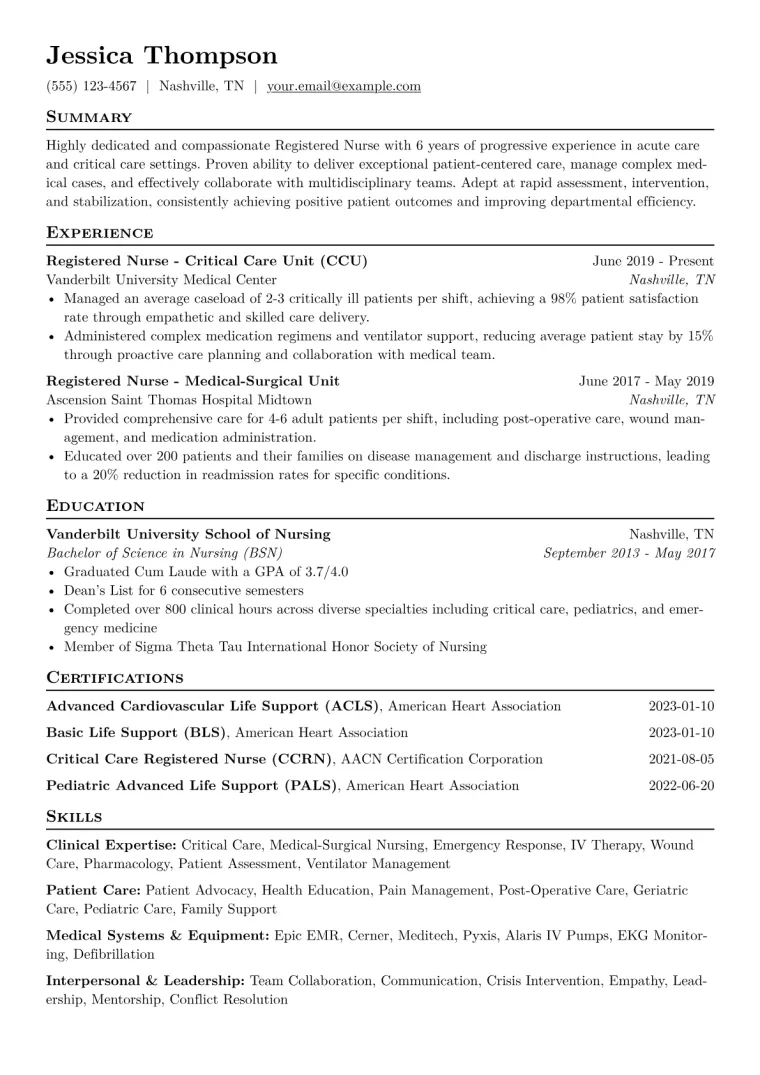
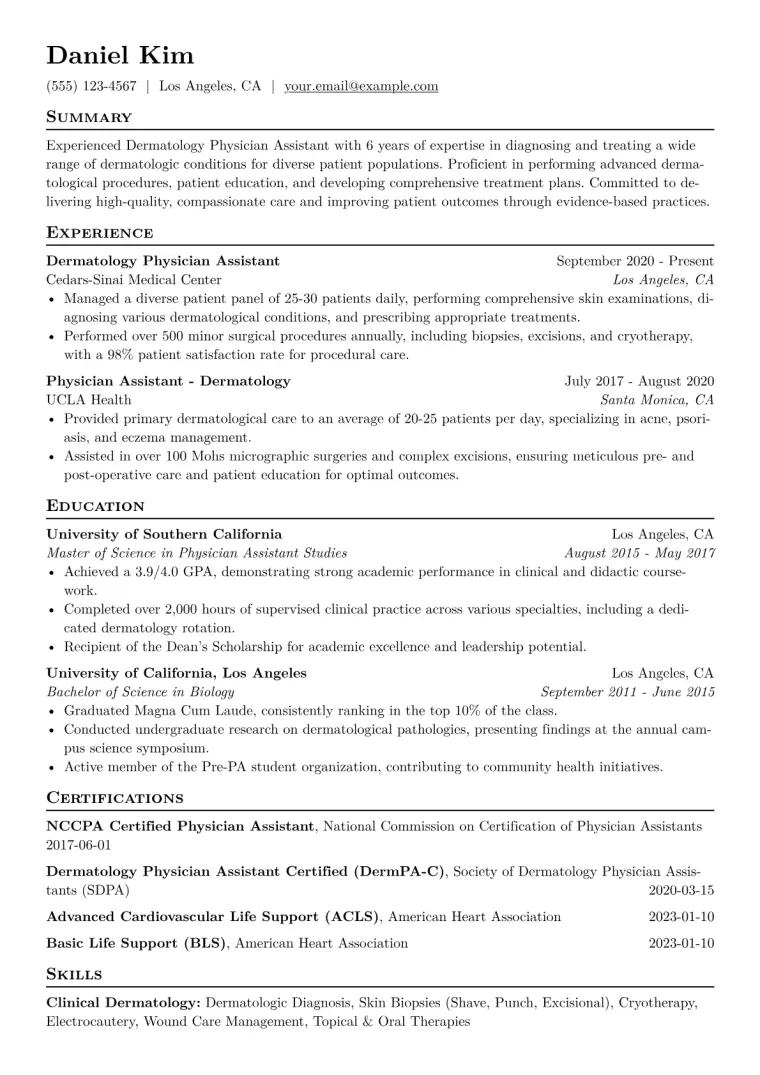
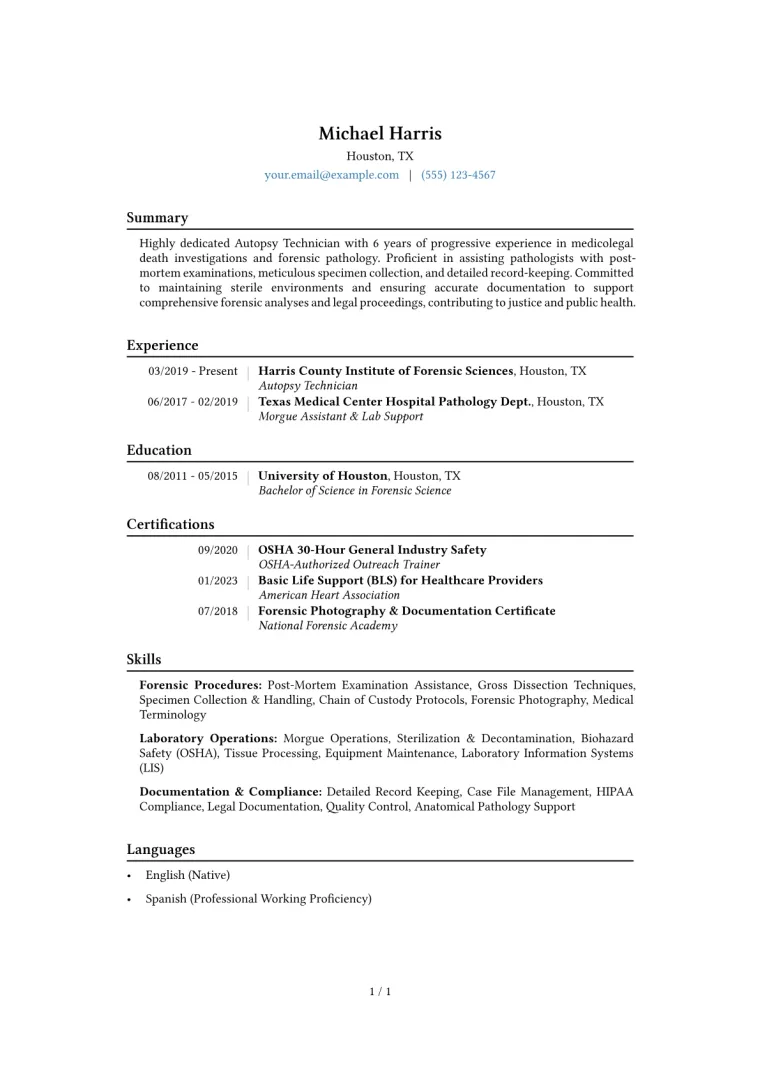
Biomedical Scientist resume samples
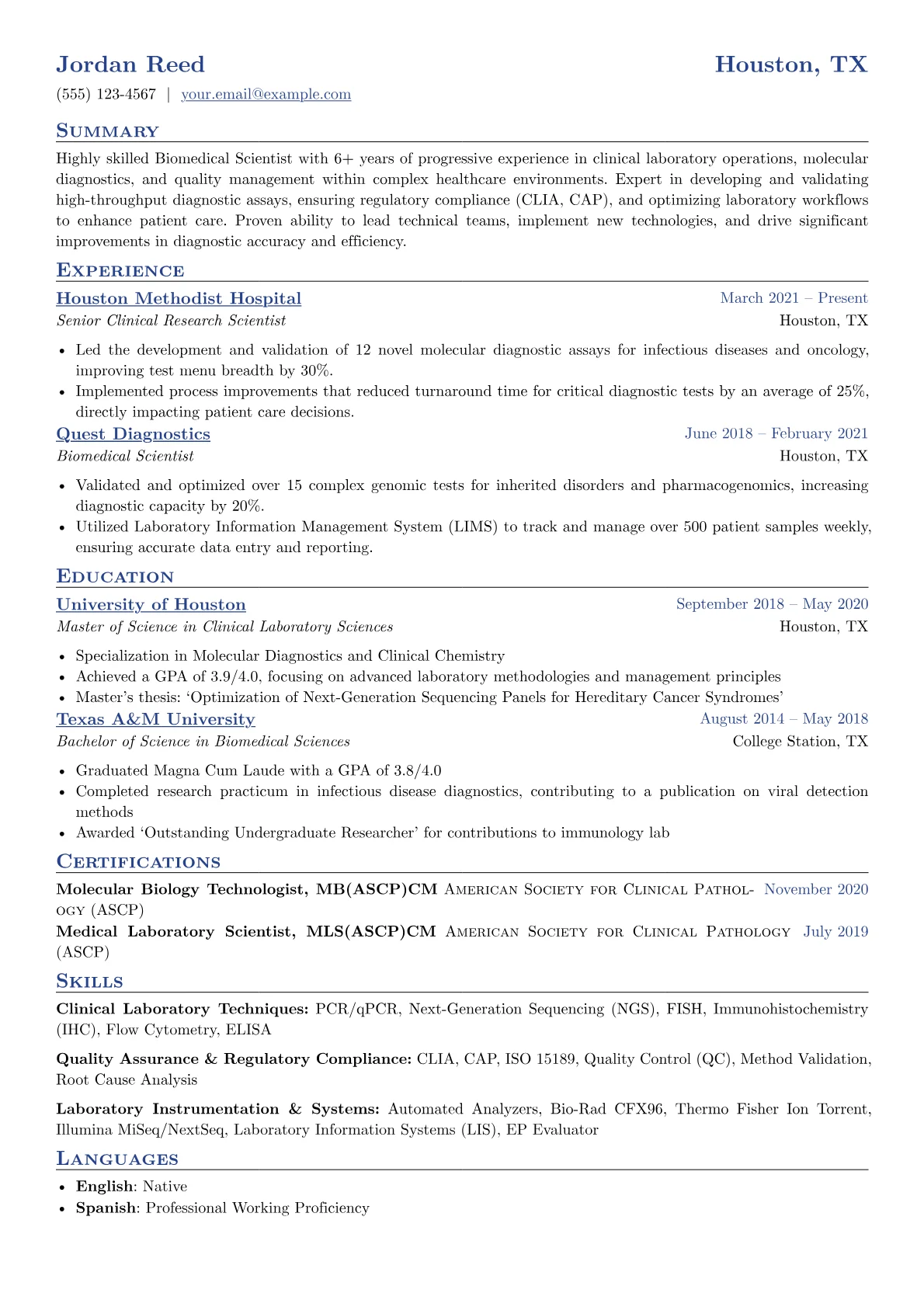
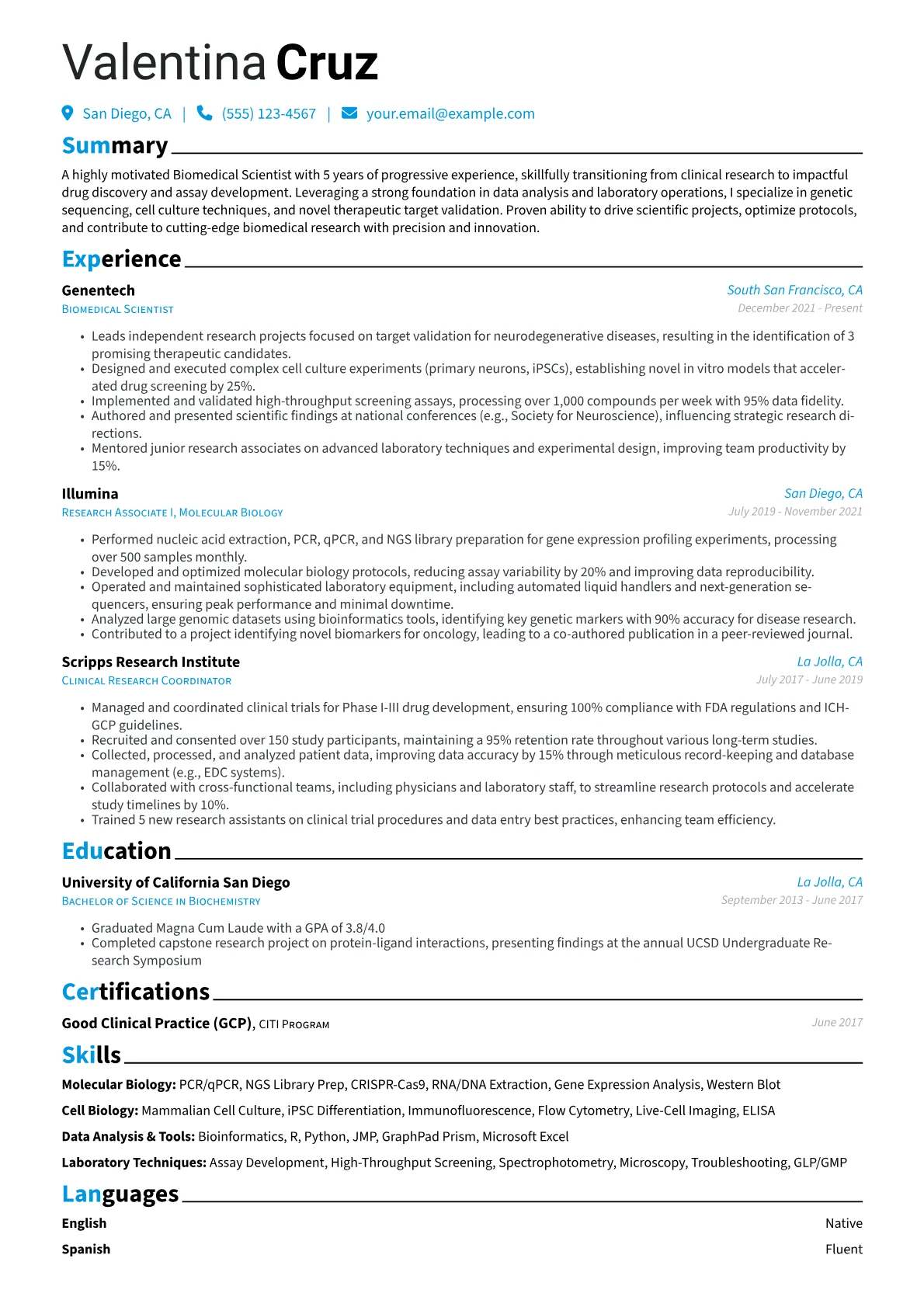
Three complete resumes, each in a different design.

Free to use. No download fee.
Editorial Notes
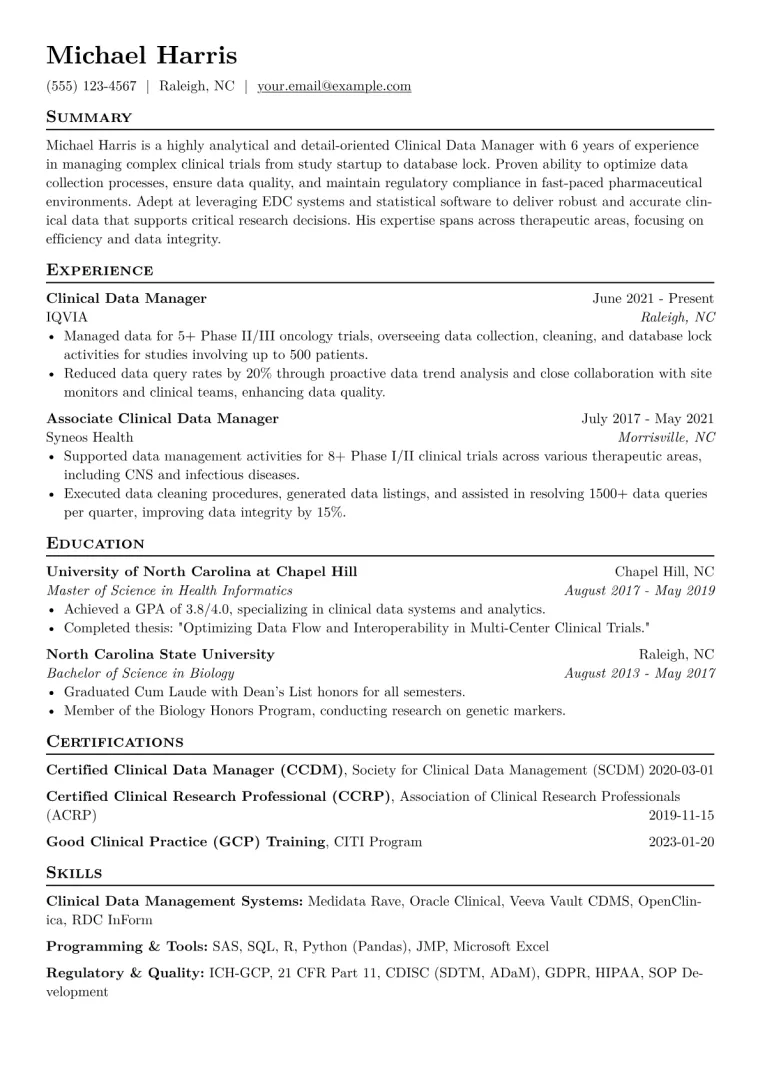
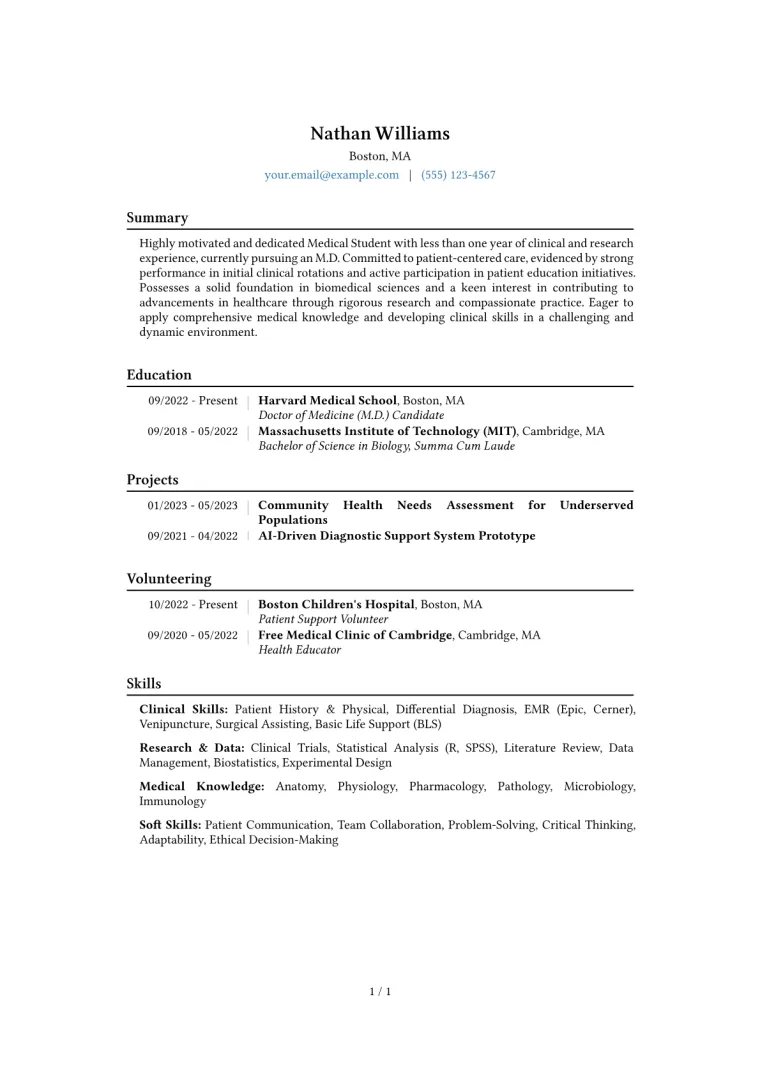
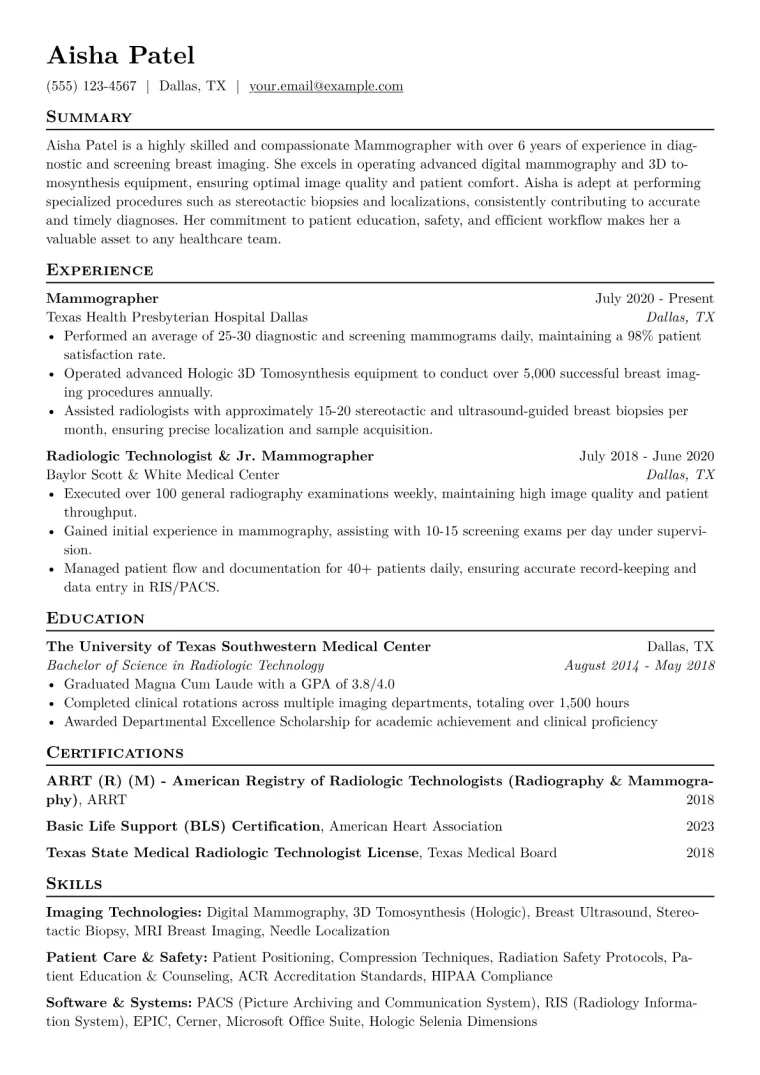
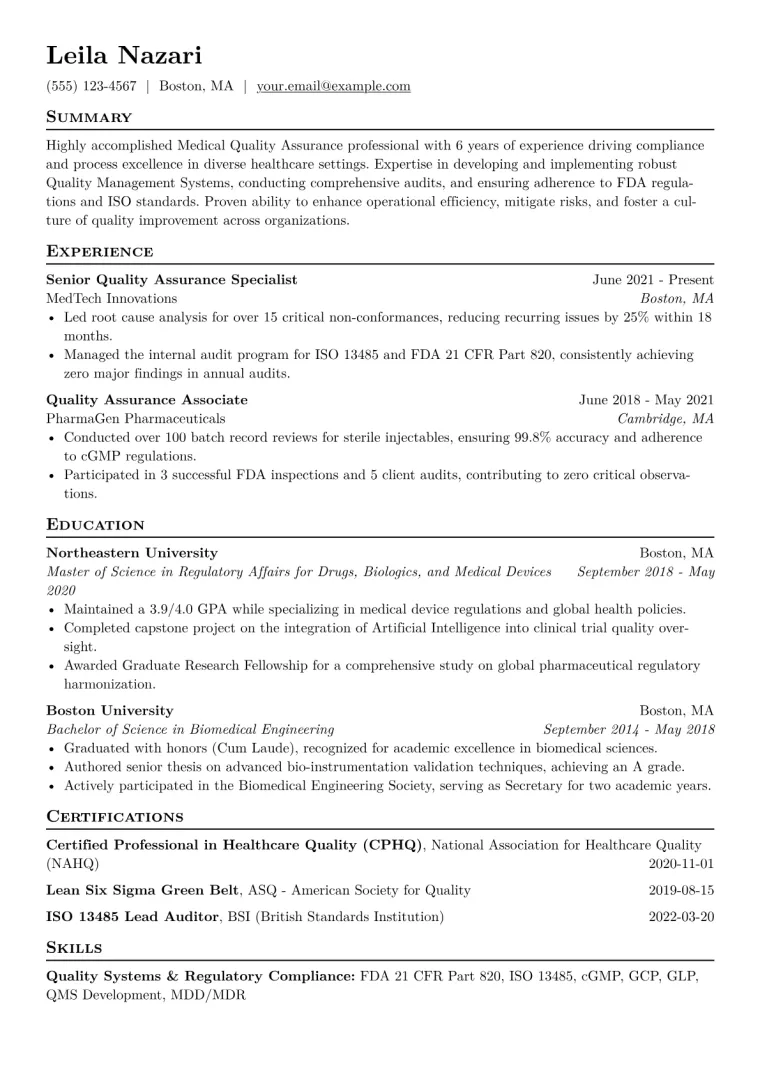
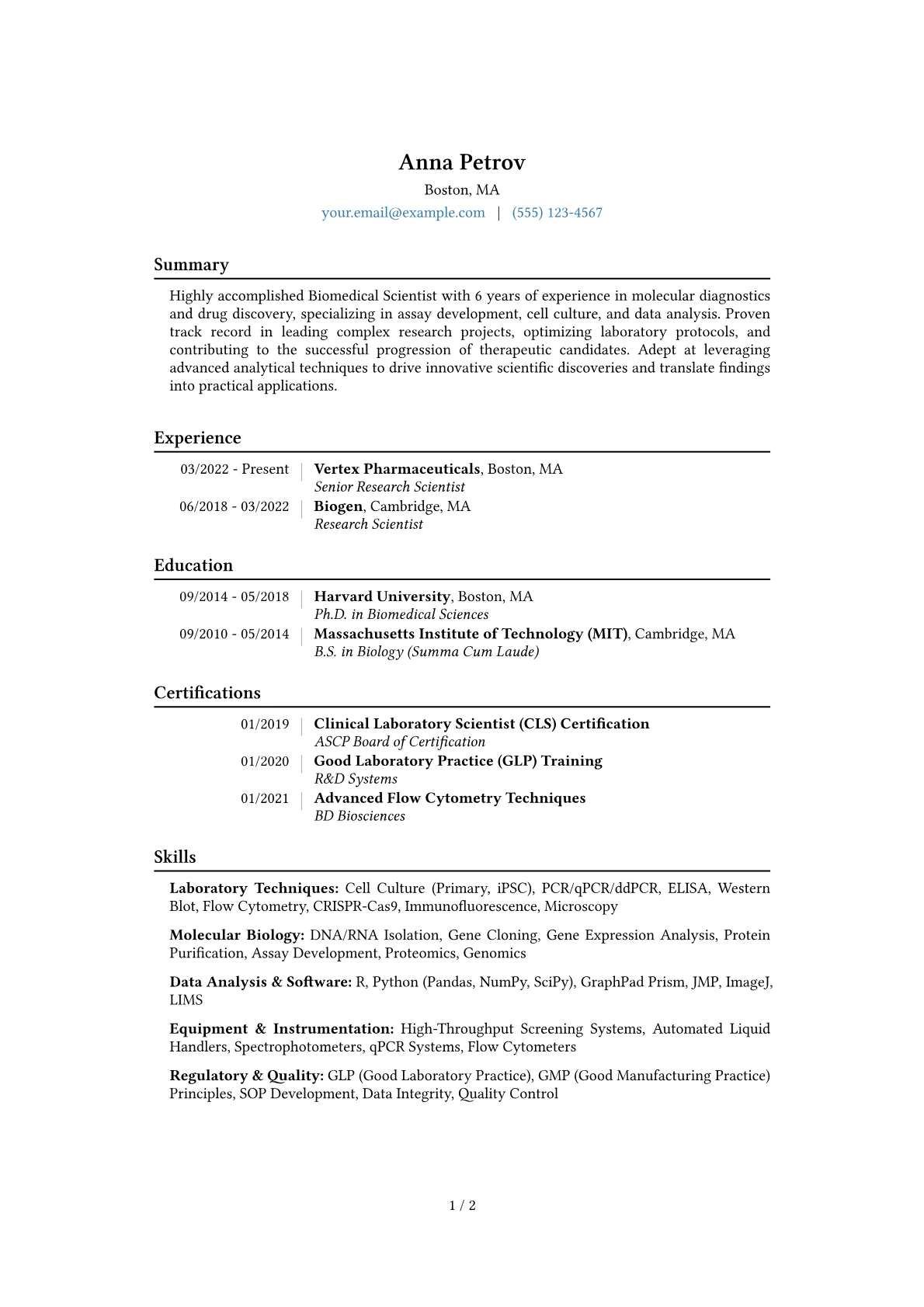
Securing a mid-level Biomedical Scientist role in clinical healthcare requires a resume that speaks directly to diagnostic precision and regulatory expertise. Hiring managers seek evidence of proficiency in core laboratory techniques such as immunoassay, PCR, or flow cytometry, alongside strict adherence to quality assurance protocols like ISO 15189 or CLIA. Achievements demonstrating improvements in sample turnaround times, accuracy rates, or the successful troubleshooting of complex instrumentation are crucial. Employers also value specific certifications like HCPC registration or ASCP certification, and experience with Laboratory Information Management Systems (LIMS).
The JobSprout Biomedical Scientist example resume effectively highlights these critical areas. It quantifies achievements, such as "reduced diagnostic error rates by 5% through meticulous validation," offering concrete value to potential employers. Skills are logically grouped, distinguishing between specialized technical competencies like microscopy and instrumentation, and software proficiency including specific LIMS platforms. Furthermore, essential professional certifications and a comprehensive list of laboratory equipment experience are prominently displayed, assuring recruiters of the candidate's practical readiness.
This template was built with JobSprout and can be remixed to create your own tailored Biomedical Scientist resume.
How useful was this template?
Example by JobSprout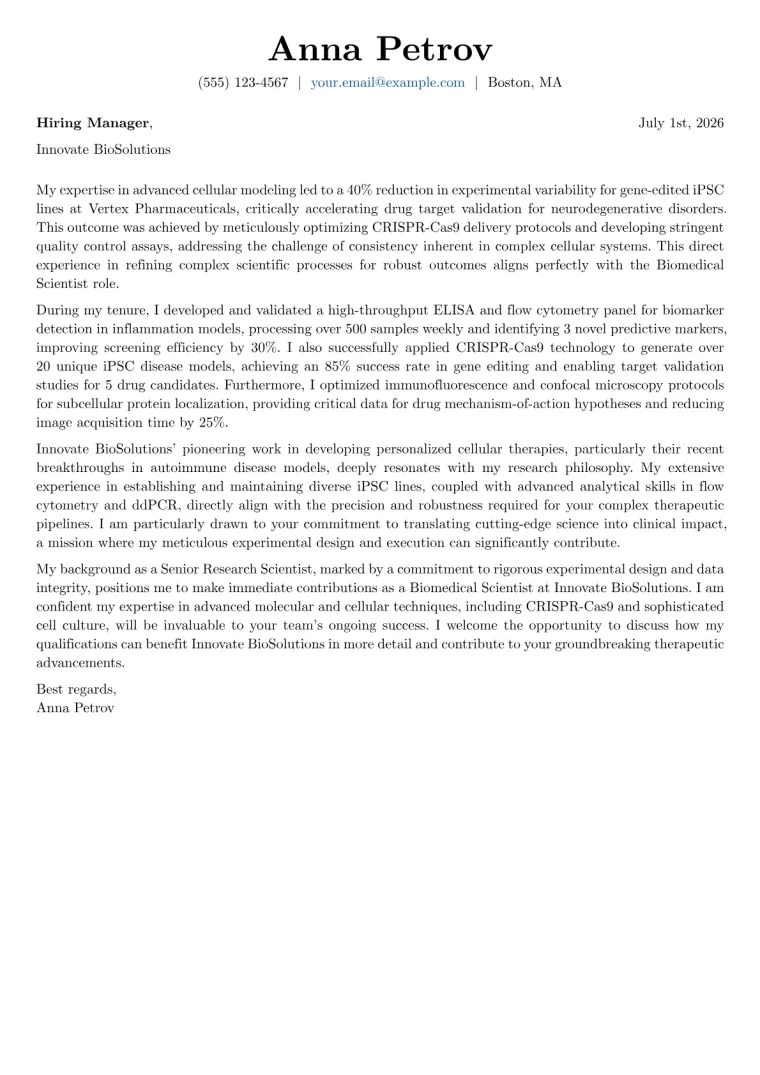
Biomedical Scientist Cover Letter Example
Written for the same person as this resume, ready to adapt.
Biomedical Scientist resume summary example
Highly accomplished Biomedical Scientist with 6 years of experience in molecular diagnostics and drug discovery, specializing in assay development, cell culture, and data analysis. Proven track record in leading complex research projects, optimizing laboratory protocols, and contributing to the successful progression of therapeutic candidates. Adept at leveraging advanced analytical techniques to drive innovative scientific discoveries and translate findings into practical applications.
Biomedical Scientist salary by country
| Country | 25th percentile | Median | 75th percentile |
|---|---|---|---|
| US | $87,778 | $105,000 | $143,750 |
| UK | £37,692 | £50,000 | £57,941 |
| Canada | C$81,667 | C$96,667 | C$135,000 |
| Australia | A$95,000 | A$110,000 | A$140,000 |
| Germany | €33,750 | €37,500 | €41,250 |
| India | ₹300,000 | ₹600,000 | ₹900,000 |
Annual salaries in local currency, aggregated from live job postings via Adzuna. Figures refresh continuously and reflect advertised pay, not negotiated offers.
Biomedical Scientist resume skills and keywords
Recruiters and applicant tracking systems scan Biomedical Scientist resumes for these skills and keywords. Include the ones that match your experience and mirror the wording in the job description. Check your resume against them with the free ATS checker.
Hard skills
Tools & software
Certifications
Soft skills
Market Insights
Biomedical Scientist
Salary Range
Salary Trend
Mar 2025 – Feb 2026
12-Month Trend
Based on advertised Healthcare (Clinical) roles.
US market data · Source: Adzuna · Updated Mar 2026
Frequently Asked Questions
What's the best resume structure for a mid-level Biomedical Scientist?
Which skills and qualifications should I highlight for a Biomedical Scientist role?
How can I write strong achievement bullets or a professional summary for a Biomedical Scientist?
What optional sections, like publications or presentations, are important for this role?
How do I tailor my resume template for a specific Biomedical Scientist job posting?
The blank page is the hard part. Skip it.
Free to use. No download fee.
![How to Write a CV for Healthcare Applications [2026 Guide]](/thumbnails/cv-for-healthcare-applications.webp)